


What's Happening?
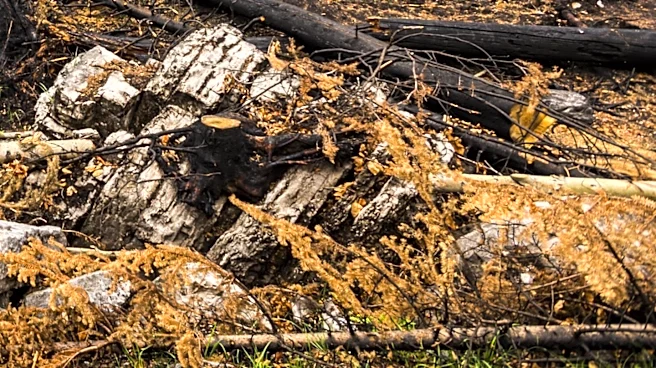
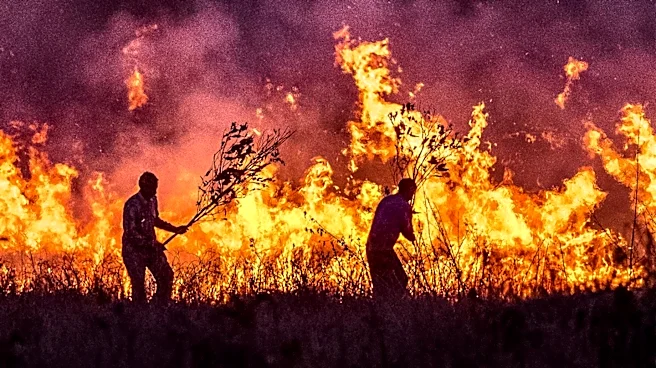
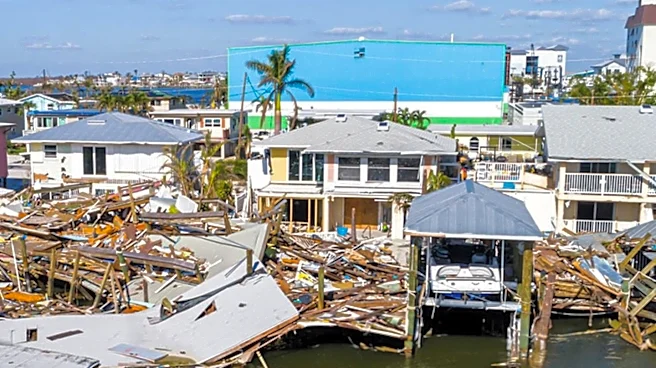
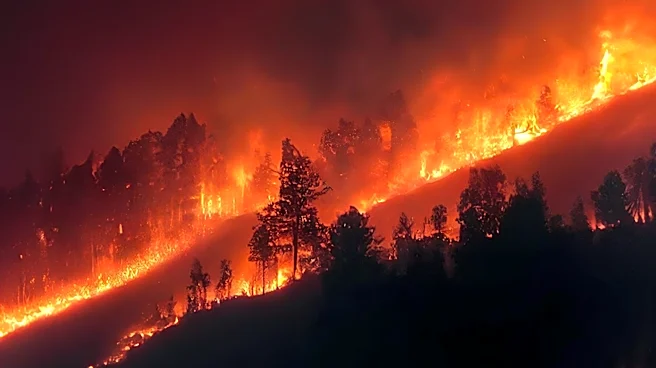
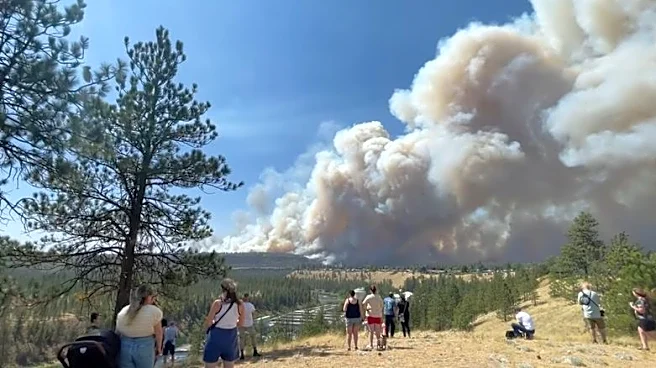
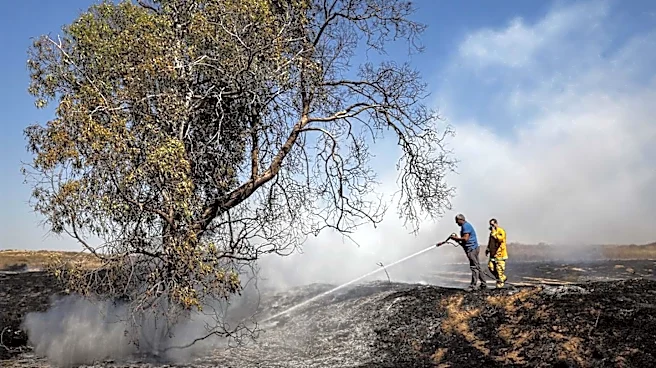
Wildfires in eastern Washington have destroyed approximately 600 structures and forced the evacuation of 5,000 homes. The fires, which remain uncontained, have burned over 8.2 square miles around Spokane, Washington's second-largest city. These fires are part
of a larger series of wildfires affecting the western United States, stretching the resources of federal, state, and local agencies. The fires have not resulted in any reported deaths, but the situation remains critical as crews continue to battle the blazes using bulldozers and helicopters.
Why It's Important?
The wildfires in eastern Washington highlight the increasing frequency and intensity of such natural disasters, likely exacerbated by climate change. These events have significant implications for public safety, property loss, and environmental degradation. The destruction of homes and businesses disrupts communities and poses long-term challenges for recovery and rebuilding. Additionally, the strain on firefighting resources underscores the need for improved disaster preparedness and response strategies. The situation also raises concerns about air quality and public health, as smoke and pollutants from the fires affect large areas.
What's Next?
Efforts to contain the wildfires will continue, with authorities focusing on protecting lives and property. The National Weather Service has issued warnings about air quality and fire risks in the affected regions. As temperatures are expected to rise, firefighting teams will face additional challenges. The state of emergency declared by Washington's governor will facilitate the allocation of resources and support for affected communities. Long-term, there may be discussions on enhancing fire prevention measures and addressing the underlying factors contributing to the increased frequency of wildfires.