





What's Happening?
Researchers at UCLA Health, led by neurosurgeon Linda Liau, MD, PhD, and tumor immunologist Robert Prins, PhD, have developed a personalized vaccine for glioblastoma, the most aggressive form of brain cancer. This therapeutic vaccine, known as DCVax-L,
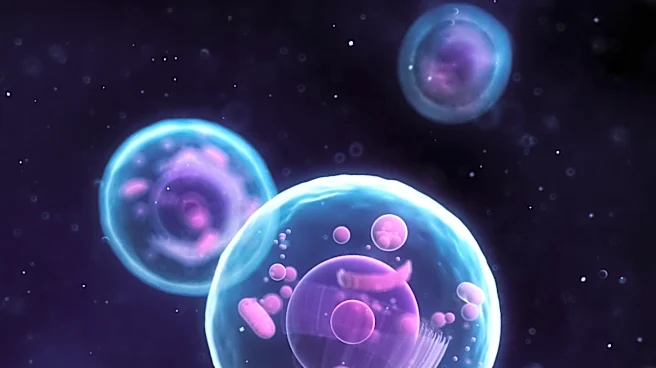
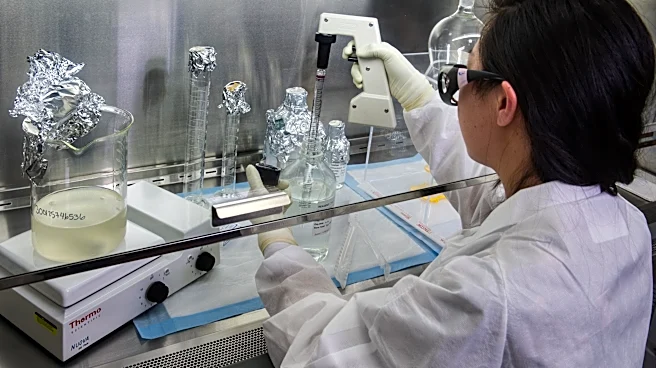
utilizes a patient's own immune system to target and attack brain tumors. The process involves collecting tumor tissue during surgery and isolating dendritic cells from the patient's blood. These dendritic cells are then exposed to proteins from the patient's tumor in a laboratory setting, effectively training them to recognize and combat the cancer. Once injected back into the patient, these trained cells activate an immune response specifically directed against the tumor. Unlike traditional preventative vaccines, this approach is designed to help the immune system fight existing cancer. Approximately two dozen patients who received this vaccine through clinical trials have achieved long-term survival, a significant outcome for a disease where survival beyond five years is rare. The vaccine's personalized nature, tailored to each patient's unique tumor, is a key aspect of its innovative approach.
Why It's Important?
This development is crucial for patients diagnosed with glioblastoma, a devastating disease with a historically poor prognosis. The personalized vaccine offers a new therapeutic avenue beyond standard treatments like surgery, chemotherapy, and radiation, which often see the cancer return. The success of long-term survival in a subset of patients provides significant hope and demonstrates the potential of immunotherapy in combating highly aggressive cancers that typically evade the immune system. This research also highlights a shift in cancer treatment strategies, moving towards highly individualized therapies that leverage the body's own defense mechanisms. The ability to 'teach' the immune system to recognize and attack cancer cells could pave the way for similar treatments for other difficult-to-treat cancers, potentially transforming oncology. Understanding why some patients respond more favorably than others is the next critical step, which could lead to more targeted and effective application of this vaccine.
What's Next?
The UCLA research team is now focusing on enhancing the vaccine's effectiveness by combining it with other immunotherapies, such as immune checkpoint inhibitors. While checkpoint inhibitors have shown limited success against glioblastoma when used alone, researchers believe that pairing them with the personalized vaccine could create a more robust and lasting immune response. The vaccine could prime the immune system to recognize the tumor and draw cancer-fighting T cells into it, with checkpoint inhibitors then boosting the function of these T cells. Dr. Liau's team is also investigating the optimal sequencing of these combination treatments to maximize their efficacy against tumors that have historically resisted immunotherapy. Furthermore, scientists are exploring other types of cancer vaccines, including those targeting specific genetic mutations in brain tumors and molecular features shared by patients with the same cancer type, aiming to develop treatments for specific patient groups without needing to identify unique targets from each individual's tumor.
Beyond the Headlines
The development of this personalized brain cancer vaccine signifies a broader paradigm shift in cancer treatment, moving towards precision medicine and immunotherapy. This approach not only offers a new weapon against glioblastoma but also underscores the potential of harnessing the body's own biological machinery to fight disease. The ethical implications of highly personalized treatments, including accessibility and cost, will become increasingly relevant as such therapies advance. Furthermore, the research highlights the ongoing challenge of tumor heterogeneity, emphasizing that a single treatment may not be effective for all patients, thus necessitating combination approaches. This work also inspires further exploration into how the immune system interacts with cancer, potentially leading to a deeper understanding of cancer biology and the development of even more sophisticated immunotherapies in the future. The long-term survivors from these trials provide invaluable data, guiding future research and offering a beacon of hope for patients facing similar diagnoses.