




What's Happening?
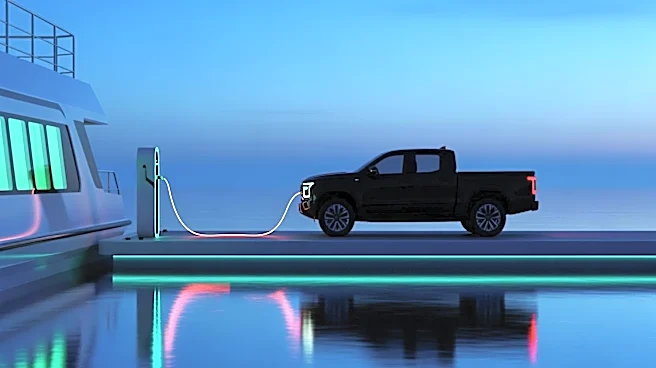
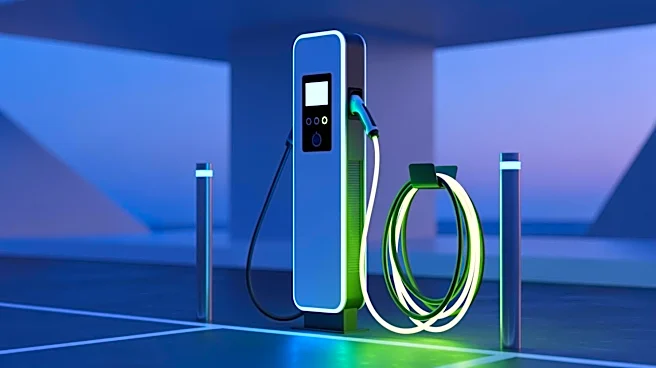
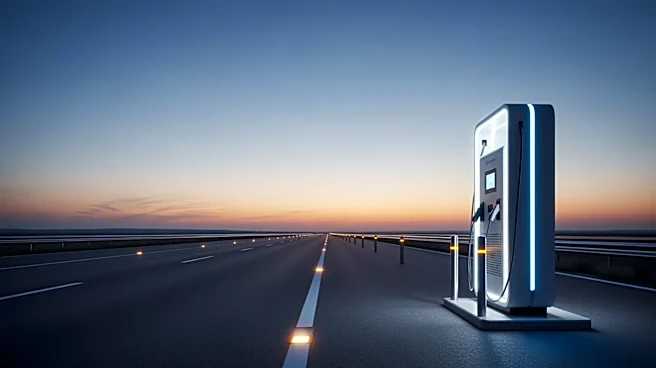
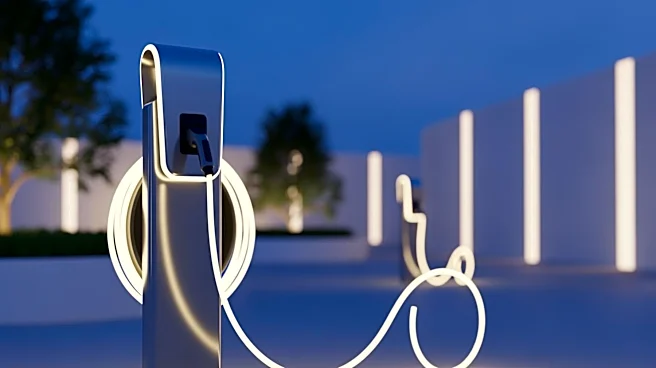
Love's Travel Stops has recently launched its first electric vehicle (EV) charging stations in Texas, located in Natalia, Encinal, and Three Rivers. Each site is equipped with four chargers featuring NACS and CCS ports, and the Three Rivers location includes
eight Tesla Superchargers. These stations are strategically placed near highways and offer amenities such as restrooms, food, beverages, and wi-fi. The expansion is part of Love's broader plan to install more EV charging stations across Texas throughout the year. This initiative is significant as it represents mainstream America's growing commitment to EV infrastructure. Other major retailers like Walmart and Kroger have also announced plans to increase EV charger installations at their locations. In Maine, four new fast chargers have been installed near Bangor at the Alltown Convenience Market in Orono, further supporting the state's climate and clean energy goals.
Why It's Important?
The expansion of EV charging stations by Love's Travel Stops and other major retailers is crucial for reducing 'range anxiety' among EV drivers, which is the fear of running out of battery power before reaching a charging station. By increasing the number of public chargers, especially in areas between cities, long-distance EV driving becomes more feasible and convenient. This development supports the broader transition to electric vehicles, which is essential for reducing carbon emissions and combating climate change. The involvement of mainstream companies like Love's, Walmart, and Kroger indicates a significant shift towards sustainable transportation solutions, potentially influencing consumer behavior and accelerating the adoption of EVs across the United States.
What's Next?
Love's Travel Stops plans to continue expanding its EV charging network in Texas, with more installations expected throughout the year. This expansion could prompt other companies to follow suit, further increasing the availability of EV chargers nationwide. As more retailers invest in EV infrastructure, the convenience and accessibility of electric vehicles are likely to improve, encouraging more consumers to switch from traditional gasoline-powered cars to EVs. Additionally, state and federal policies may continue to support these efforts through incentives and funding for clean energy projects.