





What's Happening?
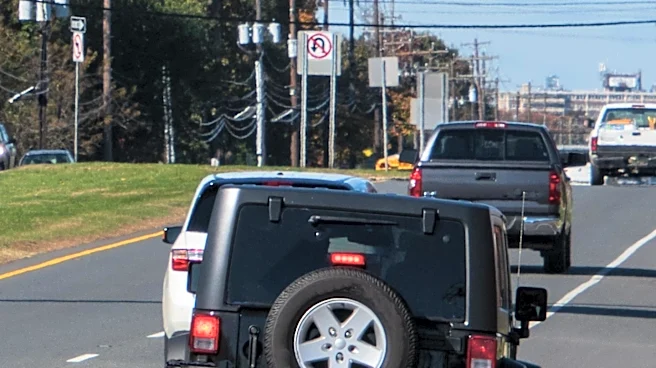
The Rhode Island Department of Transportation (RIDOT) has initiated new traffic pattern changes on Route 295 North in Warwick and on Route 2 (South County Trail) in East Greenwich. On Route 295 North, all travel lanes are being shifted to the right on the bridge
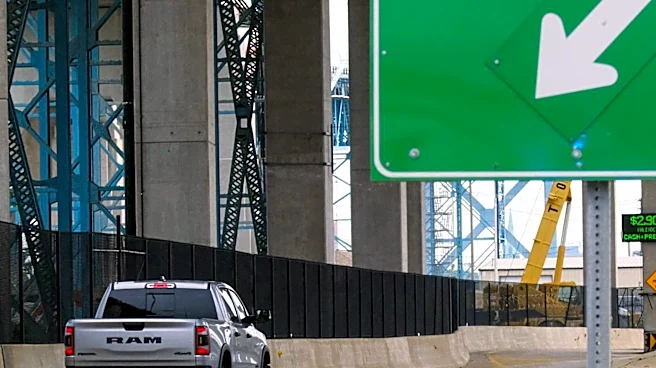
over the Pawtuxet River, just after Exit 1A (Route 113 West) in Warwick. This adjustment facilitates superstructure rehabilitation on the left side of the bridge, with all nearby on and off-ramps remaining open. This work is part of a larger $76.6 million multi-bridge project addressing six bridges along this section of I-295 in Warwick, including the demolition and replacement of two bridges over Bald Hill Road (Route 2) and two over West Natick Road, scheduled for spring and summer 2027. Simultaneously, in East Greenwich, RIDOT is making changes on Route 2 at the Route 4 interchange. All lanes are being shifted to the newly rebuilt northbound side of the bridge, which will become the permanent configuration for through traffic. The access point to the on-ramp from Route 2 North to Route 4 South is also being temporarily relocated approximately 200 feet past its current position, requiring drivers on Route 2 South using the same ramp to yield to traffic from their left. Additional signs are being installed to caution drivers about this temporary change.
Why It's Important?
These traffic pattern changes are crucial for the ongoing rehabilitation and replacement of aging bridge infrastructure in Rhode Island. The bridges, built in the late 1960s, currently carry 48,000 vehicles per day, making their structural integrity vital for regional transportation and commerce. The multi-bridge project, with a total cost of $76.6 million, aims to ensure the long-term safety and efficiency of these key routes. The use of accelerated bridge construction methods for some replacements indicates an effort to minimize disruption, though temporary traffic adjustments are necessary. The changes on Route 2 in East Greenwich, including the permanent shift to a 'road diet' configuration in one section, reflect a broader strategy to optimize traffic flow and potentially enhance safety. The project's completion in summer 2028 will significantly upgrade critical transportation links, impacting daily commutes, freight movement, and overall economic activity in the affected areas of Warwick and East Greenwich.
What's Next?
The current traffic pattern changes on Route 295 North in Warwick will allow crews to continue superstructure rehabilitation on the left side of the bridge. All on and off-ramps will remain open during this phase. The broader multi-bridge project in Warwick will proceed with the demolition and replacement of four additional bridges over Bald Hill Road and West Natick Road in spring and summer 2027, utilizing accelerated bridge construction methods. The entire $76.6 million project is slated for completion in summer 2028. In East Greenwich, following the lane shifts on Route 2, RIDOT will commence the demolition of the portion of the South County Trail Bridge that originally carried southbound traffic. During this demolition, the newly constructed sidewalk closest to the demolition area will be closed, with the sidewalk on the other side remaining available. This phase of work is expected to continue into the fall, at which point RIDOT anticipates completing the demolition and removing all temporary traffic changes.
Beyond the Headlines
The extensive bridge rehabilitation and replacement projects in Warwick and East Greenwich highlight a broader national challenge of aging infrastructure. Many bridges across the U.S., constructed decades ago, are reaching the end of their design life, necessitating significant investment in repair and modernization. The 'road diet' design implemented on a section of Route 2 in East Greenwich reflects evolving urban planning philosophies that prioritize safety, pedestrian access, and potentially reduced traffic speeds over maximizing vehicle throughput. While such changes can initially cause inconvenience, they often lead to long-term benefits in terms of accident reduction and improved community livability. The substantial financial commitment to these projects also underscores the economic impact of infrastructure maintenance, with costs borne by taxpayers and potentially influencing local and state budgets for years to come. The successful execution of these projects could serve as a model for other regions grappling with similar infrastructure needs.