



What's Happening?
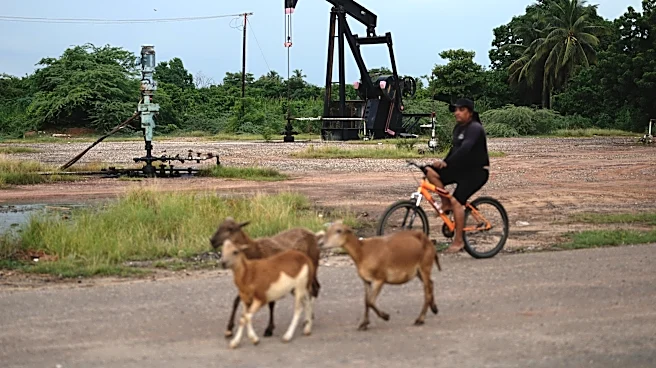
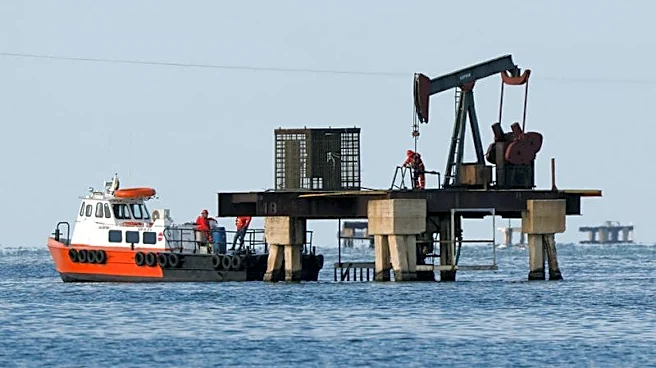
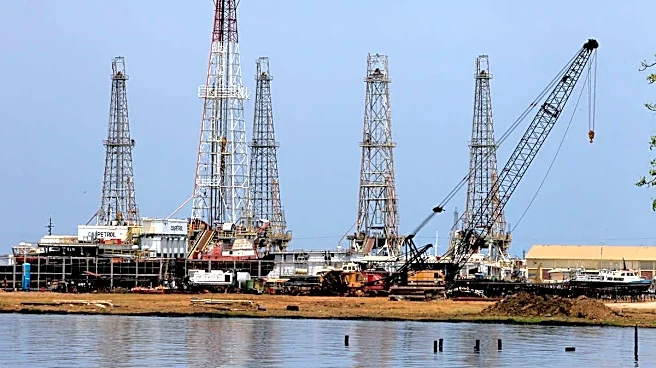
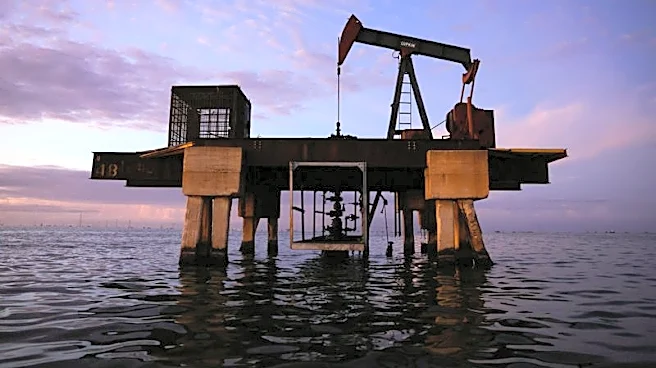
President Trump has announced an agreement with Venezuela, which he described as the 'biggest oil deal in world history.' This deal involves Venezuela's interim president, Delcy Rodríguez, granting 100-year concessions to develop 17 oil fields to a joint
venture between the U.S. government and North American Blue Energy Partners. These fields are estimated to hold 65 billion barrels of oil. The Pentagon’s Office of Strategic Capital will take a 35% equity stake in North American Blue Energy Partners. Under the agreement, the U.S. government is guaranteed 20% of oil off-take at cost and has the right of first refusal to purchase the remaining 80%. Additionally, a majority of North American Blue Energy Partners’ board members must be U.S. citizens, and the U.S. government holds veto power over the board of directors. The Trump administration claims this agreement will double U.S. oil reserves and reduce fuel prices for American consumers, a move partly aimed at addressing voter concerns about affordability ahead of the U.S. midterm elections in November.
Why It's Important?
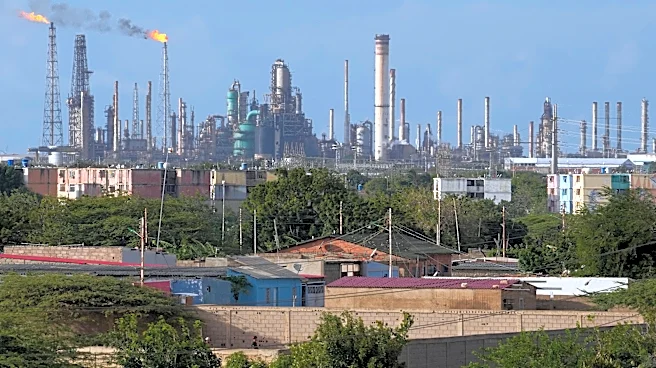
This deal is significant for several reasons, primarily its potential impact on U.S. energy security and consumer fuel prices, although the immediate effects are uncertain. The U.S. government's direct involvement in Venezuelan oil production, through equity stakes and veto power, represents a substantial shift in foreign energy policy. If successful, it could diversify U.S. oil sources and potentially stabilize or lower domestic fuel costs, which have been a major concern due to rising crude oil prices and disruptions like the effective shutdown of the Strait of Hormuz. For Venezuela, the agreement offers a much-needed influx of capital and investment into its underperforming energy sector, which has suffered from years of underinvestment, aging infrastructure, and U.S. sanctions. This could lead to economic revitalization for Venezuela, but also raises questions about sovereignty and resource control. The deal also highlights the U.S. administration's efforts to address domestic economic pressures through international agreements.
What's Next?
The immediate future will involve significant investment and infrastructure development in Venezuela to scale up oil production. Experts estimate that it will take years and substantial capital—between $10 billion and $20 billion for existing fields and over $100 billion for new ones—to bring Venezuelan oil production to full capacity. Therefore, any major shift in U.S. energy prices is unlikely in the short term. The deal faces potential legal challenges and domestic backlash in both countries, with concerns raised in Venezuela over sovereignty and in the U.S. by some oil representatives about competing with a government-backed entity. The long-term durability of the agreement is also uncertain, as a new U.S. president in 2029 could potentially unwind the deal, and Venezuela has a history of nationalizing oil assets. Further details are expected to emerge regarding the role of private U.S. companies and how the deal will be insulated from political challenges.
Beyond the Headlines
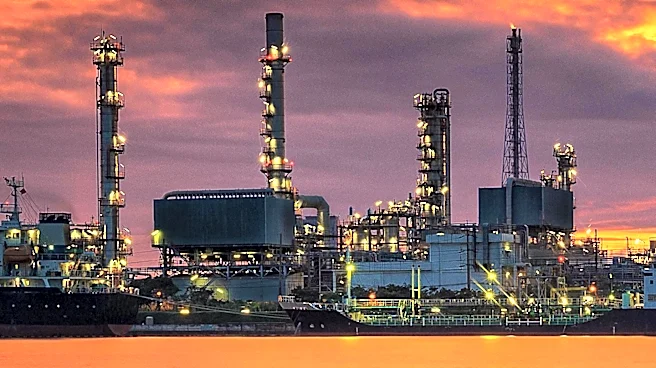
Beyond the immediate economic and political implications, this deal carries deeper ethical and geopolitical dimensions. The U.S. government's direct control over a significant portion of another nation's natural resources, even through a joint venture, could set a precedent for future international resource agreements and raise questions about economic imperialism. The involvement of Alejandro Betancourt López, a Venezuelan businessman with reported ties to interim president Delcy Rodríguez, also brings to light potential issues of transparency and corruption in the deal's execution. Furthermore, the type of oil found in Venezuela, which is heavy and high in sulfur, presents environmental challenges in extraction, transport, and refining, potentially increasing the carbon footprint of U.S. energy consumption. The deal's success hinges on sustained financial and political support from both countries, navigating complex geopolitical dynamics and internal opposition, and addressing the practical difficulties of developing a long-neglected oil infrastructure.