
What's Happening?
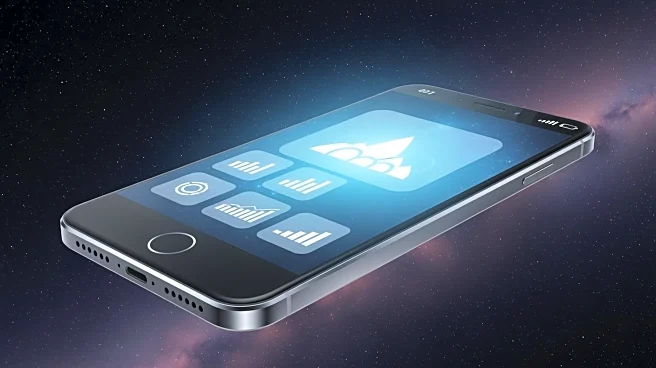
NASA has announced that astronauts will now be permitted to use modern smartphones during space missions. This policy change was revealed by NASA administrator Jared Isaacman via a tweet, indicating that the
new protocol will be implemented starting with the SpaceX Crew-12 and Artemis II missions. The SpaceX Crew-12 mission, scheduled for February 11, will transport four astronauts to the International Space Station. Meanwhile, the Artemis II mission, expected to launch in March, will involve a 10-day lunar orbit mission with four astronauts. The decision to allow smartphones aims to provide astronauts with advanced tools for capturing and sharing images and videos, enhancing their ability to document and communicate their experiences. An Apple representative confirmed that this marks the first time iPhones have been fully qualified for extended use in space, although NASA did not specify which phone brands or models would be used.
Why It's Important?
The introduction of modern smartphones into space missions represents a significant advancement in the technology available to astronauts. Previously, astronauts relied on older cameras, such as 2016 Nikon DSLRs and GoPro cameras, for documentation. The ability to use smartphones will not only improve the quality and immediacy of images and videos shared with the public but also enhance personal communication for astronauts with their families. This development could lead to increased public engagement and interest in space missions, as more dynamic and relatable content becomes available. Additionally, the use of smartphones could streamline certain operational tasks, potentially improving efficiency and safety during missions.
What's Next?
As the policy is implemented, it will be important to monitor how the integration of smartphones affects mission operations and astronaut experiences. NASA and its partners may need to address any technical challenges related to smartphone use in space, such as connectivity and device durability in the harsh space environment. The success of this initiative could pave the way for further technological innovations in space exploration, potentially influencing future mission planning and equipment choices. Stakeholders, including technology companies, may also explore opportunities to collaborate with NASA to develop space-optimized devices and applications.