








What's Happening?
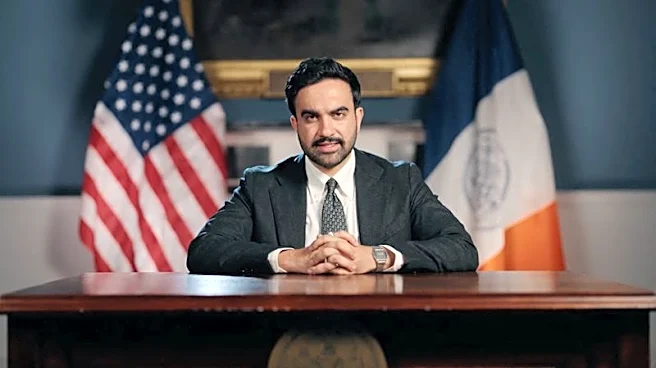
New York City has initiated a new program called Public Interest Technology (PIT) Crews, led by Mayor Zohran Mamdani, to improve digital government services. The initiative has attracted 2,800 applicants for 30 full-time positions across four crews, with
an additional crew funded by the Rockefeller Foundation. The PIT Crews aim to develop digital solutions for city services, starting with an online portal to enforce the 'Click to Cancel' rule, which mandates businesses to allow easy cancellation of subscriptions. The rule, effective October 1, aims to protect consumers from difficult-to-cancel subscriptions. The PIT Crews will work on various projects, rotating among assignments based on their skills, with each project expected to take about 12 weeks from start to finish.
Why It's Important?
The establishment of PIT Crews represents a significant step towards modernizing New York City's digital infrastructure and enhancing consumer protection. By focusing on in-house talent and rapid development cycles, the city aims to address public service challenges more efficiently. The 'Click to Cancel' rule is particularly important as it addresses consumer rights and aims to save New Yorkers significant time and money. The initiative also highlights a shift towards more transparent and accountable governance, as the portal will allow for better tracking and enforcement of consumer complaints. This could lead to broader adoption of similar consumer protection measures across other jurisdictions.
What's Next?
The first PIT Crew project, the online portal for the 'Click to Cancel' rule, is set to be operational by October 1. The success of this project will be a critical test for the PIT Crews' model of rapid development and deployment. If successful, it could pave the way for more projects aimed at improving city services. The city will need to ensure that there are enough resources and personnel to handle the expected influx of consumer complaints. Additionally, the effectiveness of the portal in holding businesses accountable will be closely monitored, potentially influencing future consumer protection policies.