


What's Happening?
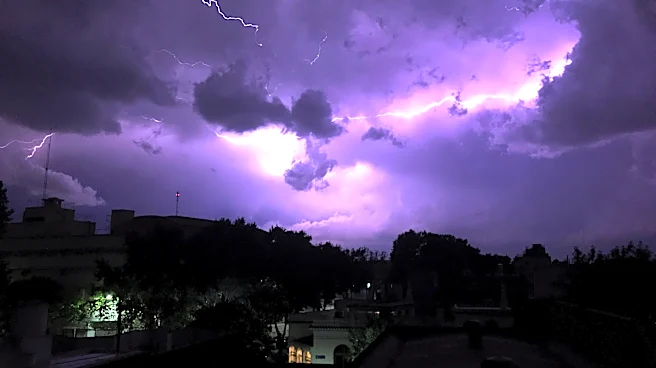
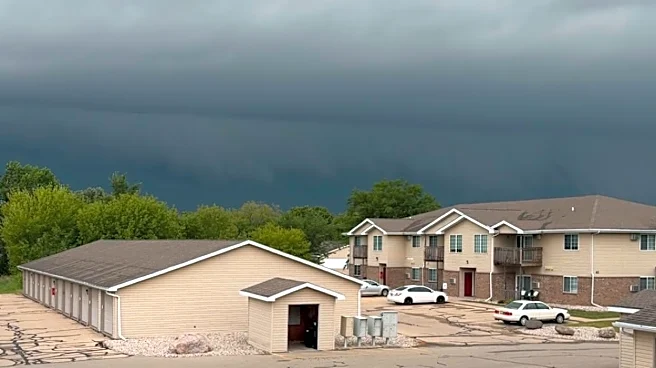
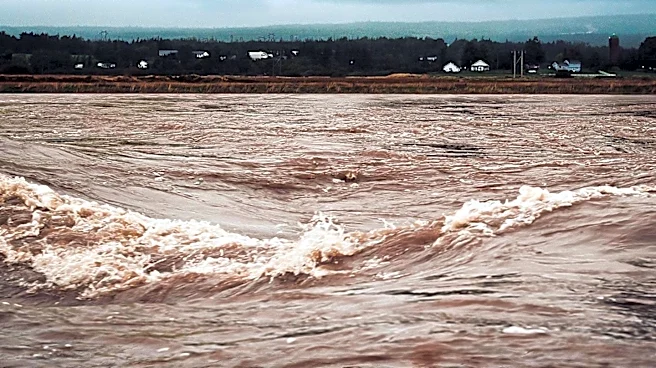
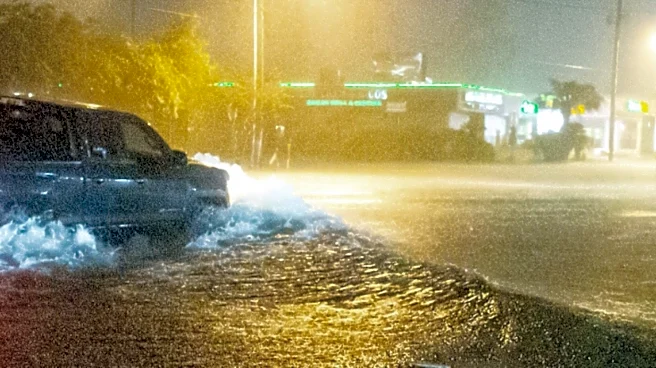
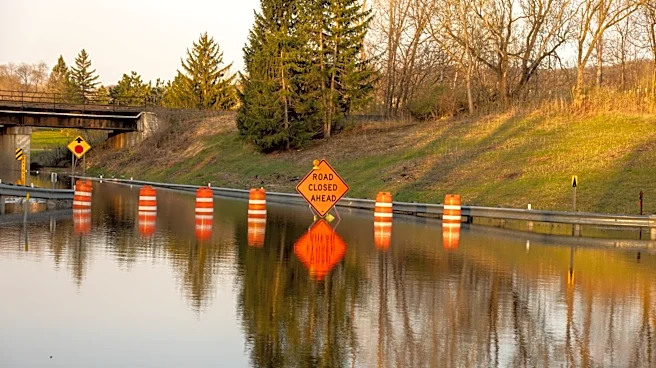
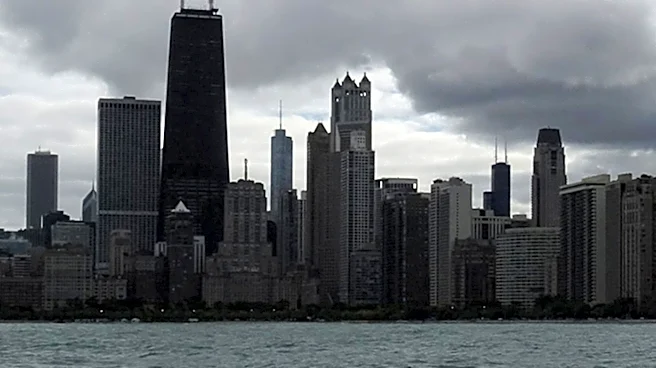
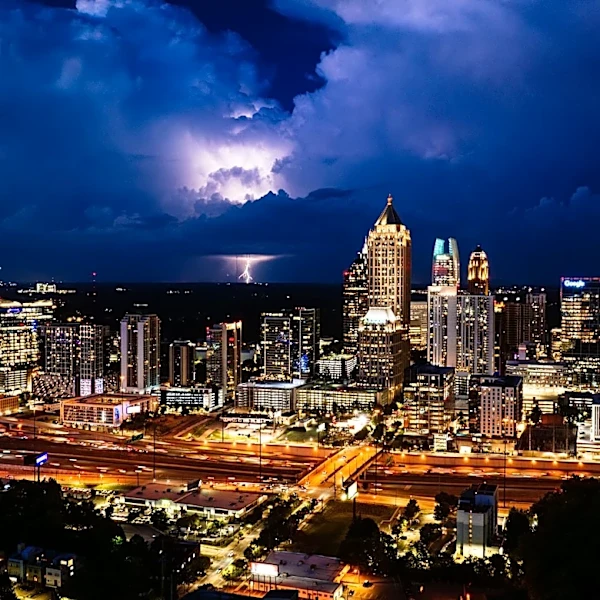
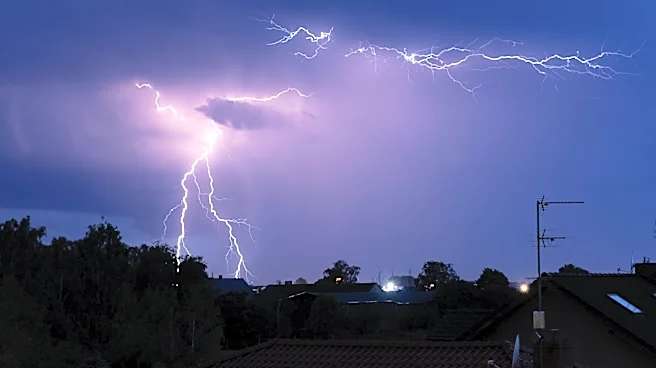
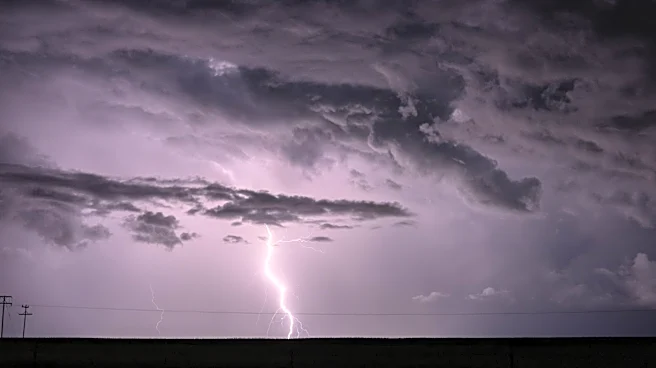
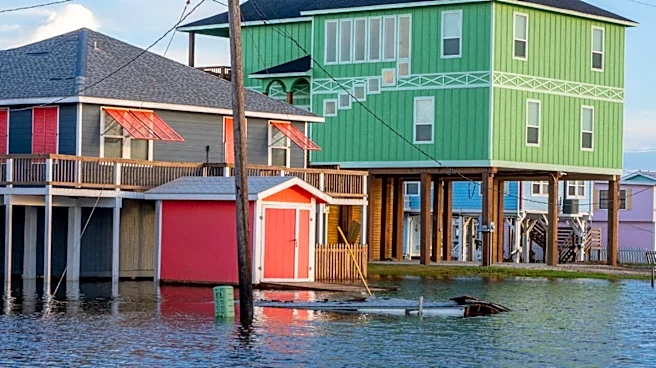
Chicago experienced severe weather on July 27, 2026, with heavy storms causing significant flooding, downed trees, and widespread power outages. The National Weather Service recorded up to three inches of rain and winds reaching 74 miles per hour at Midway
Airport. The Office of Emergency Management and Communication received numerous calls regarding flooded basements and streets. Ground stops were issued at O'Hare and Midway airports due to the severe weather, and the CTA Red and Purple lines experienced delays. A second round of storms brought further threats of severe thunderstorms and tornadoes.
Why It's Important?
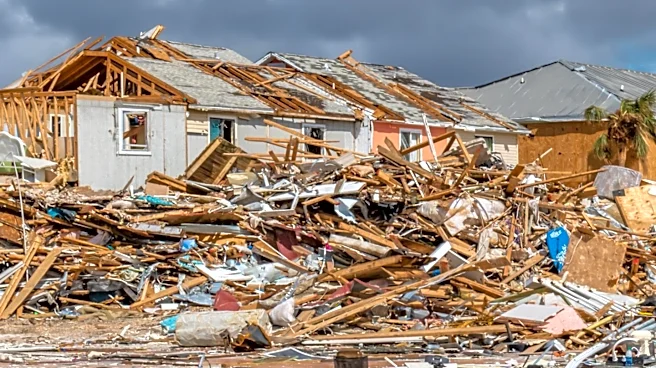
The severe weather in Chicago highlights the city's vulnerability to extreme weather events, which can disrupt daily life and infrastructure. The flooding and power outages affect residents' safety and mobility, while the airport ground stops and public transportation delays impact travel and commerce. This event underscores the need for robust emergency response systems and infrastructure resilience to mitigate the effects of such weather events. The economic impact on businesses and the potential for property damage also emphasize the importance of preparedness and adaptation strategies in urban planning.
What's Next?
As the city recovers from the immediate impacts of the storms, attention will likely turn to assessing the damage and implementing recovery efforts. Authorities may focus on improving infrastructure to better handle future severe weather events. Residents and businesses will need to address property damage and insurance claims. The city may also review and update its emergency response plans to enhance preparedness for similar incidents in the future.