








What's Happening?
The U.S. Immigration and Customs Enforcement (ICE) has announced a new rule that limits F-1 student visa stays to four years, replacing the previous 'duration of status' policy. This change, effective September 15, aims to strengthen oversight of foreign
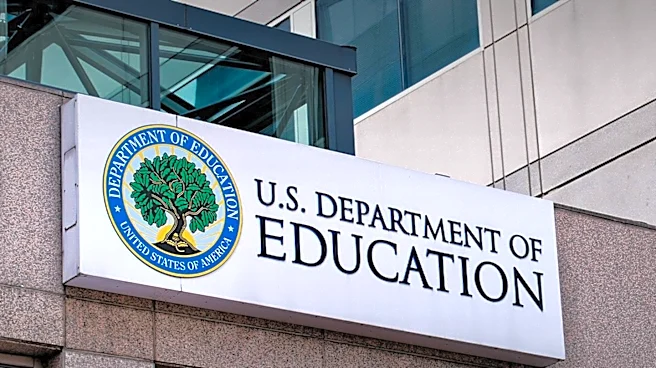
students by imposing fixed admission periods. Secretary of Homeland Security Markwayne Mullin stated that the rule is intended to prevent abuse of the immigration system by students who perpetually enroll in courses to avoid leaving the U.S. Critics, including higher education organizations and immigration experts, argue that the four-year limit does not align with the length of many academic programs, such as doctoral degrees and some undergraduate programs, which often exceed four years. The rule also affects graduates participating in Optional Practical Training, potentially straining U.S. Citizenship and Immigration Services due to increased extension applications.
Why It's Important?
The new ICE rule could significantly impact international students and U.S. higher education institutions. By limiting F-1 visa stays to four years, students may face challenges in completing longer academic programs, potentially affecting their educational and career prospects. Universities might experience a decrease in international student enrollment, impacting their diversity and financial resources. Additionally, the requirement for students to apply for visa extensions could exacerbate existing backlogs at U.S. Citizenship and Immigration Services, leading to delays in processing and increased administrative burdens. This policy change reflects broader immigration control measures and could influence the U.S.'s attractiveness as a destination for international students.
What's Next?
As the rule takes effect, universities and students will need to navigate the new visa limitations, potentially seeking extensions to complete their studies. Higher education institutions may advocate for policy adjustments to better accommodate academic program lengths. Immigration attorneys and experts are expected to provide further analysis and guidance on managing the implications of the rule. Stakeholders may also engage in discussions with policymakers to address concerns and explore potential modifications to the rule.