







What's Happening?
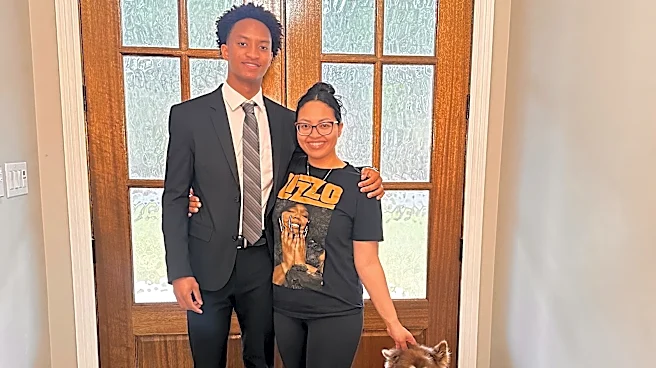
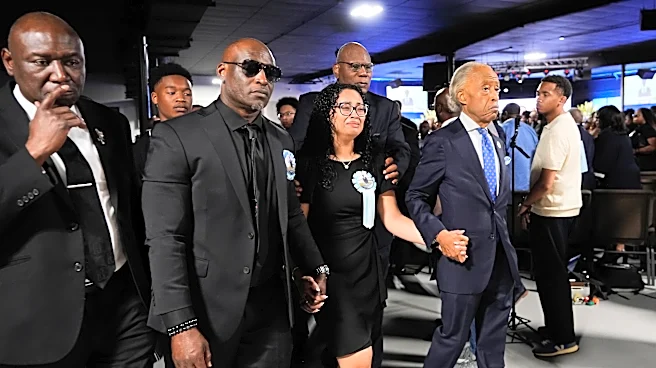
In Ocean Springs, Mississippi, a funeral was held for Nolan Xavier Wells, an 18-year-old whose death has raised numerous questions. Rev. Al Sharpton, during the service, announced a $100,000 reward for information regarding Wells' disappearance and subsequent
death. Half of this reward is funded by actor and producer Tyler Perry, who also covered the funeral expenses. Wells disappeared on July 4th after a boat trip to Horn Island with friends, and his body was discovered two days later. The circumstances of his death remain unclear, prompting calls for further investigation. Sharpton, along with attorney Ben Crump, has urged for transparency and thoroughness in the investigation, highlighting historical racial tensions in Mississippi.
Why It's Important?
The case of Nolan Wells has garnered significant attention due to the mysterious circumstances surrounding his death and the historical context of racial violence in Mississippi. The involvement of high-profile figures like Rev. Al Sharpton and Tyler Perry underscores the broader societal concerns about racial justice and transparency in law enforcement. The reward aims to encourage witnesses to come forward, potentially leading to new evidence. This case highlights ongoing issues of racial inequality and the need for accountability in investigations involving minority communities. The outcome could influence public trust in the justice system and impact future policies on handling similar cases.
What's Next?
The investigation into Nolan Wells' death is ongoing, with authorities awaiting the results of an independent autopsy. Attorney Ben Crump is collaborating with the local prosecutor to examine Wells' phone, and the findings will be presented to a grand jury. The case has sparked widespread interest, and further developments are anticipated as more information becomes available. Community leaders and civil rights advocates are likely to continue pushing for a thorough investigation, and the public's response will be closely watched. The case may also prompt discussions on improving investigative processes and addressing racial disparities in the justice system.