





What's Happening?
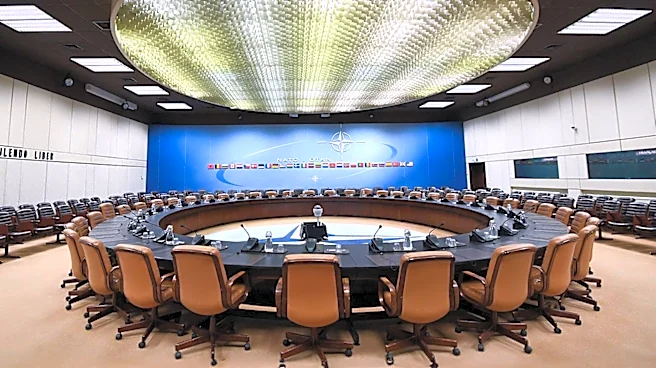
CGIAR researchers participated in the Global Counterterrorism Forum's 26th Coordinating Committee Meeting, emphasizing the indirect impact of climate change on peace and security. The forum discussed how climate shocks can exacerbate existing grievances
and increase competition, potentially leading to violent extremism (VE). The researchers contributed to the development of the Nairobi Toolkit, which addresses the nexus between climate change and VE. They highlighted the importance of local and participatory evidence generation, especially in conflict-prone areas, to understand the complex interactions between climate change and VE. The forum underscored the need for broad stakeholder coalitions to address these issues effectively.
Why It's Important?
The discussions at the forum are crucial as they bring attention to the often-overlooked link between climate change and violent extremism. By understanding this connection, policymakers and organizations can develop more effective strategies to prevent VE. The involvement of CGIAR, an organization focused on food, land, and water systems, highlights the interdisciplinary approach needed to tackle these challenges. The insights from the forum could lead to more informed climate policies that consider security implications, ultimately contributing to global peace and stability.
What's Next?
The forum's outcomes suggest a need for continued research and collaboration among international organizations, governments, and local communities. Future efforts will likely focus on implementing the Nairobi Toolkit's recommendations and developing policies that integrate climate change and VE considerations. Organizations like CGIAR are expected to play a significant role in providing scientific evidence and innovations to support these initiatives. The ongoing dialogue will aim to create resilient systems that can withstand climate shocks and reduce the risk of VE.