






What's Happening?
The National Oceanic and Atmospheric Administration (NOAA) has officially declared the onset of El Niño, a periodic weather pattern characterized by unusually warm waters in the central and eastern Pacific Ocean. This phenomenon is expected to intensify
into a 'Super' El Niño, with a 63% chance of becoming one of the largest events on record since 1950. The changes in ocean temperatures and wind patterns associated with El Niño are anticipated to cause significant shifts in global weather, potentially making 2027 the warmest year on record. The NOAA's Climate Prediction Center has expressed high confidence in the continuation of El Niño through the fall and into the winter.
Why It's Important?
The development of a Super El Niño has far-reaching implications for global weather patterns and climate. In the United States, El Niño typically influences winter weather, leading to warmer conditions in the northern regions and wetter, cooler conditions in the southern states. The phenomenon can also affect hurricane activity, potentially reducing the number of hurricanes in the Atlantic while increasing activity in the Pacific. Beyond weather, El Niño can impact global economies by disrupting agriculture, fisheries, and water resources, leading to economic losses. The current El Niño is occurring against a backdrop of already elevated global temperatures due to climate change, raising concerns about exacerbated weather extremes.
What's Next?
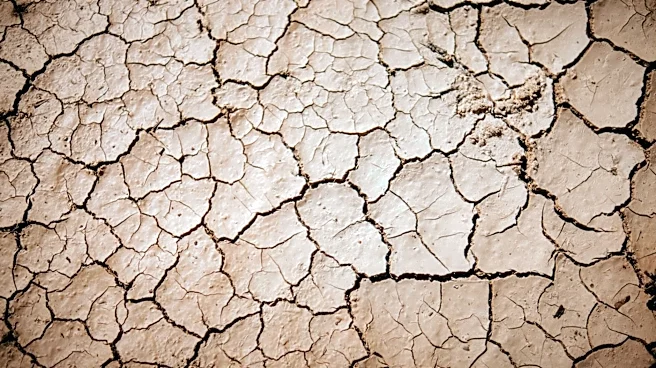
As El Niño progresses, scientists and meteorologists will closely monitor its development and impacts. The NOAA will continue to provide updates and forecasts, helping governments and industries prepare for potential weather-related challenges. Regions prone to El Niño effects, such as the southwestern United States and parts of South America, may need to brace for increased rainfall and potential flooding. Conversely, areas like Australia and Indonesia could face drought conditions. The interplay between El Niño and ongoing climate change will be a critical area of study, as researchers seek to understand and mitigate the compounded effects on global weather systems.