







What's Happening?
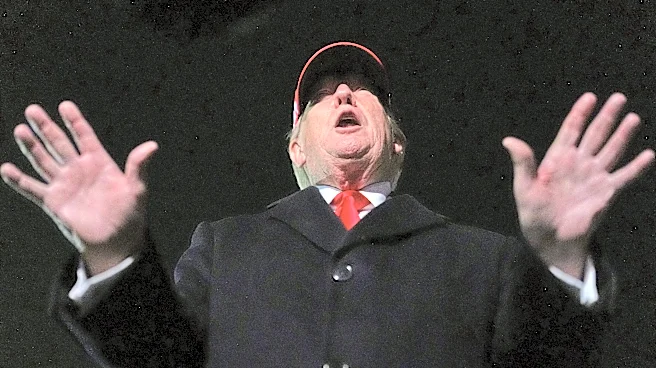
At the International Monetary Fund and World Bank Group spring meetings, discussions on climate finance have been overshadowed by U.S. policy under President Trump. The U.S. Treasury Secretary, Scott Bessent, has pushed for the removal of climate finance targets
from the World Bank's aims, advocating for an 'all-of-the-above' energy approach that includes fossil fuels. This stance has caused concern among other countries and international finance institutions, as it may hinder efforts to address the climate crisis. The U.S., as the largest shareholder in the World Bank, holds significant influence over its policies.
Why It's Important?
The U.S. position at these global finance talks is critical as it affects the ability of developing countries to secure funding for climate adaptation and mitigation. The pressure to downplay climate discussions could delay the implementation of necessary climate action plans, impacting global efforts to transition to renewable energy and reduce greenhouse gas emissions. This situation highlights the tension between economic interests and environmental responsibilities, with potential long-term consequences for global climate policy and international relations.
What's Next?
The outcome of these discussions could shape future climate finance strategies and the role of international institutions in supporting sustainable development. If the U.S. continues to prioritize fossil fuels, it may lead to a reevaluation of climate finance commitments and strategies by other countries. The international community may need to find alternative ways to advance climate goals, potentially increasing the importance of bilateral agreements and private sector involvement in climate finance.