
What's Happening?
Casey Gould, a mother who experienced a challenging pregnancy journey, faced a life-threatening condition known as peripartum cardiomyopathy during labor. This rare condition, which weakens the heart in late-stage
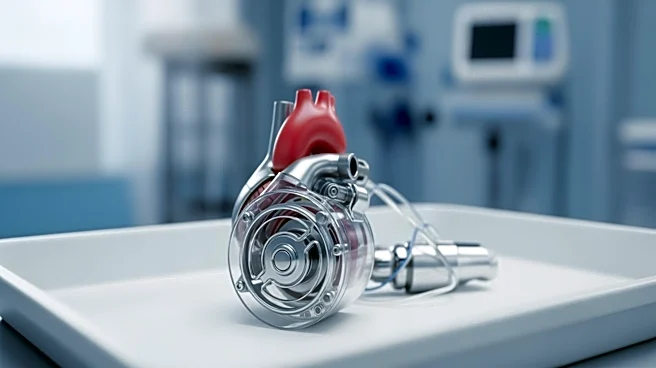
pregnancy or shortly after childbirth, affected Gould as she was about to deliver her son. Despite a seemingly normal pregnancy, Gould experienced a sudden sense of dread and visual disturbances during labor. Her condition rapidly deteriorated, leading to an emergency C-section. Post-delivery, her heart's ejection fraction was critically low at 13%, compared to the normal range of 55% to 70%. Cardiologist Dr. Amer Sayed intervened by placing an Impella pump to support her heart, avoiding the need for a heart transplant. Gould spent two days in a coma but eventually recovered, with her heart function returning to normal levels.
Why It's Important?
This case highlights the unpredictable nature of peripartum cardiomyopathy, a condition that can severely impact maternal health during or after pregnancy. It underscores the importance of awareness and preparedness in obstetric care, as timely intervention can be life-saving. The use of advanced medical devices like the Impella pump demonstrates the critical role of technology in managing acute cardiac conditions. This story also brings attention to the broader implications for maternal health policies, emphasizing the need for comprehensive prenatal care and monitoring to identify and manage potential risks effectively.
What's Next?
Gould's recovery journey involves ongoing medical supervision and lifestyle adjustments. She will continue to take medication and have regular cardiology check-ups. Her experience may influence future guidelines for managing high-risk pregnancies, particularly those involving cardiac complications. Additionally, Gould's story could inspire further research into peripartum cardiomyopathy, aiming to improve early detection and treatment strategies. Her case may also encourage healthcare providers to educate expectant mothers about potential warning signs and the importance of seeking immediate medical attention if they experience unusual symptoms.