




What's Happening?
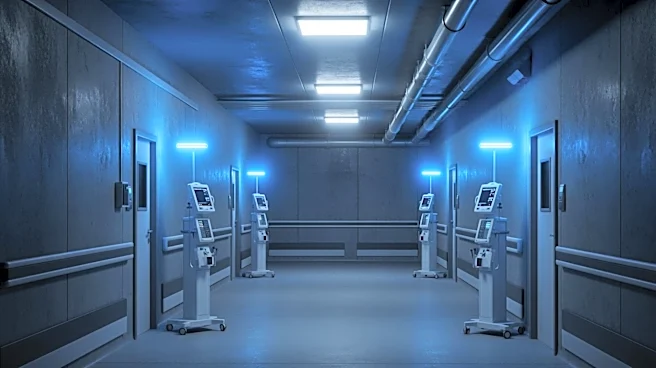
In response to renewed missile threats from Iran, Israeli hospitals are preparing to relocate operations to underground facilities. This move, directed by Health Ministry Director-General Moshe Bar Siman Tov, follows guidelines from the Home Front Command.
As a result, some elective surgeries and clinic services have been suspended, while emergency and mental health services remain operational 24/7. Health Maintenance Organizations (HMOs) like Clalit, Maccabi, and Meuhedet are adapting by expanding remote healthcare services, including hotlines and digital consultations. Clalit is preparing to transfer patients to home hospitalization programs, while Maccabi and Meuhedet are ensuring their facilities comply with protective infrastructure requirements. The situation has also led to the cancellation of school activities nationwide.
Why It's Important?
The relocation of hospital operations to underground facilities highlights the severe impact of geopolitical tensions on healthcare systems. This shift not only affects the availability of routine medical services but also underscores the resilience and adaptability required in crisis situations. The emphasis on maintaining mental health services reflects the critical need for psychological support during times of heightened stress and anxiety. The expansion of remote healthcare services indicates a growing reliance on digital health solutions, which could have long-term implications for healthcare delivery models. This situation also raises concerns about the sustainability of healthcare services under prolonged security threats.
What's Next?
As the situation develops, hospitals and healthcare providers will need to continuously adapt their operations to ensure patient safety and service continuity. The reliance on remote healthcare services may increase, potentially accelerating the adoption of telemedicine and digital health solutions. Stakeholders, including government agencies and healthcare organizations, will likely evaluate the effectiveness of current emergency protocols and explore ways to enhance infrastructure resilience. The ongoing threat may also prompt discussions on international diplomatic efforts to de-escalate tensions and ensure the safety of civilian populations.
Beyond the Headlines
The current situation in Israel highlights the intersection of healthcare and national security, raising ethical questions about resource allocation and the prioritization of services during crises. The emphasis on mental health support underscores the importance of addressing psychological well-being alongside physical health. This development may also influence global healthcare policies, encouraging other nations to reassess their emergency preparedness strategies. Additionally, the increased use of digital health services could lead to advancements in telemedicine technology and infrastructure, potentially reshaping the future of healthcare delivery.