





What's Happening?
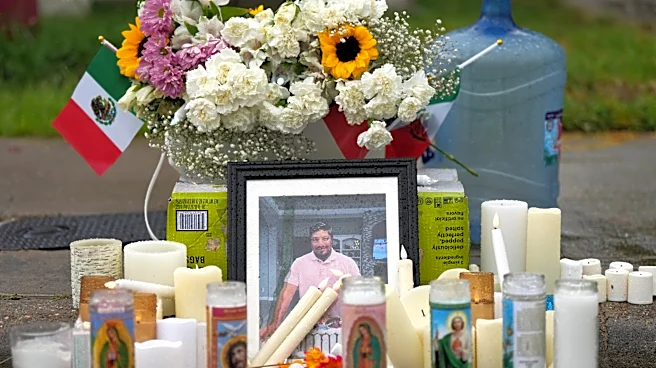
Recent actions by Immigration and Customs Enforcement (ICE) agents in Maine have raised significant concerns following the shooting of Johan Sebastián Durán Guerrero in Biddeford. The incident involved ICE agents attempting a vehicle stop, which resulted
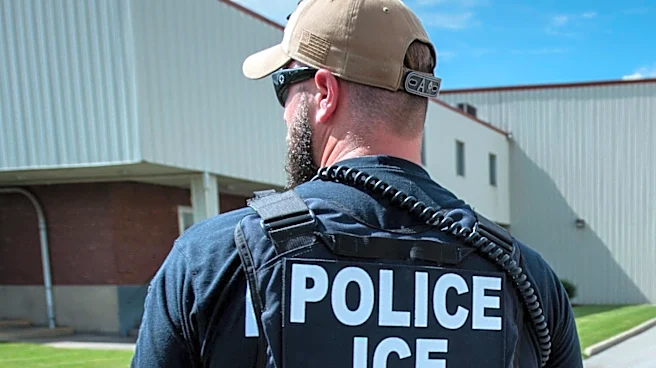
in the shooting, although details remain unclear. The Department of Homeland Security has not confirmed the identity of the shooter, but the ex-wife of an ICE agent involved identified him. This event is part of a broader pattern of aggressive tactics by ICE in Maine, where agents have been stopping vehicles and sometimes using force to detain individuals. Experts criticize these methods, suggesting they deviate from best policing practices and pose safety risks to both agents and the public.
Why It's Important?
The scrutiny of ICE's tactics highlights broader concerns about immigration enforcement under the Trump administration, which has emphasized increased deportations. The aggressive methods used by ICE, such as vehicle stops and the use of force, have sparked debates about the balance between law enforcement and civil rights. Critics argue that these tactics may undermine public safety and trust in law enforcement, particularly within immigrant communities. The incident in Biddeford has intensified calls for accountability and reform in ICE's operational procedures, with potential implications for federal immigration policy and community relations.
What's Next?
In response to the growing criticism, there may be increased pressure on ICE and the Department of Homeland Security to review and potentially revise their enforcement strategies. The implementation of body cameras for ICE agents during vehicle stops has been suggested as a measure to increase transparency and accountability. Additionally, legal and civil rights groups may pursue further actions to challenge ICE's practices, potentially leading to policy changes or new guidelines for immigration enforcement. The outcome of these discussions could significantly impact how immigration laws are enforced in the future.