




What's Happening?
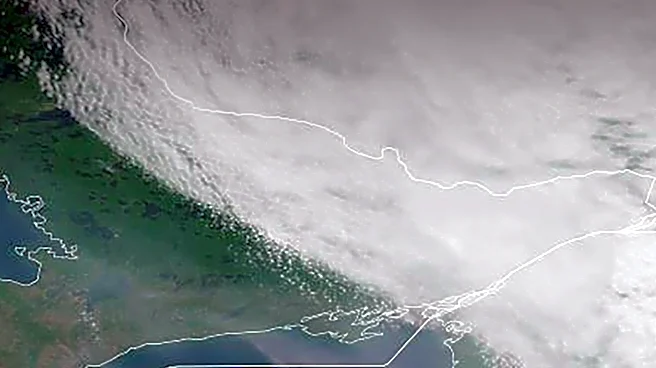
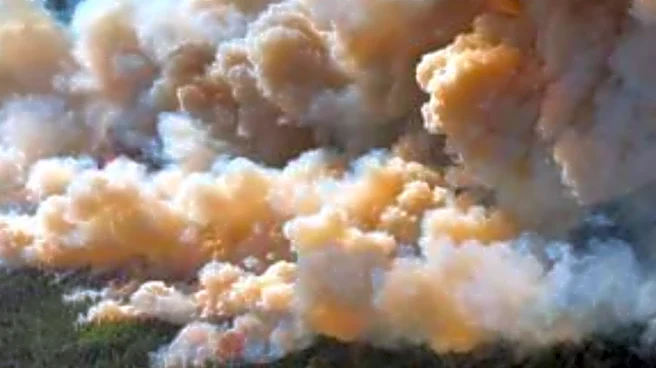
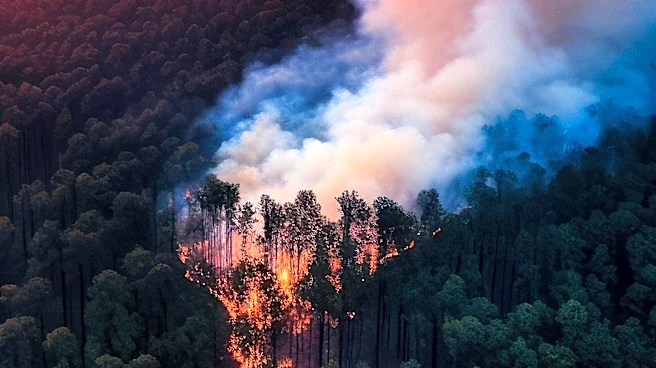
Four wildfires are currently burning in Michigan's Upper Peninsula, with fire crews making progress on containment due to cooler temperatures and higher humidity. The two largest fires, the Ridge Fire northwest of Marquette and the Craig Lake Fire north of Craig Lake State
Park, are estimated at 450 acres (20% contained) and 400 acres (25% contained) respectively. Evacuation orders for these areas have been lifted, though residents are advised to remain prepared for potential changes. No structure damage or injuries have been reported from these fires. Near Wakefield in Gogebic County, the Black River Fire is approximately 300 acres and 40% contained, while the Camp 4 Fire, covering 18 acres, is fully contained. Neither of the Gogebic County fires prompted evacuations or threatened structures.
Why It's Important?
The ongoing wildfires in Michigan's Upper Peninsula highlight the persistent threat of wildland fires, even in regions not typically associated with large-scale blazes. While containment efforts are progressing, the sheer acreage burned underscores the ecological impact and potential danger to communities. The lifting of evacuation orders provides a measure of relief but also emphasizes the need for continued vigilance and preparedness among residents. The absence of reported structure damage or injuries is a testament to the effectiveness of early response and containment strategies. These incidents serve as a reminder of the importance of forest management, fire prevention, and rapid deployment of resources to protect both natural habitats and human settlements from the destructive power of wildfires.
What's Next?
Fire crews will continue their efforts to fully contain the remaining active wildfires in Upper Michigan, particularly the Ridge Fire, Craig Lake Fire, and Black River Fire. The forecast for rain and higher humidity is expected to further aid these operations. Authorities will maintain monitoring of the affected areas and surrounding regions for any new fire outbreaks or changes in existing conditions. Residents who had been under evacuation orders will likely be advised to stay informed and ready for any potential re-issuance of warnings. Post-containment, there will be a focus on assessing the ecological impact of the fires and implementing rehabilitation efforts for the burned areas. Discussions on long-term wildfire prevention strategies and community preparedness in the Upper Peninsula may also follow.
Beyond the Headlines
The wildfires in Upper Michigan, while seemingly localized, contribute to a broader national and global conversation about changing climate patterns and their influence on fire seasons. Even in areas with historically lower fire risk, increased temperatures, drought conditions, or unusual weather events can elevate the potential for significant blazes. This necessitates a re-evaluation of land management practices, including controlled burns and forest thinning, to build greater resilience against wildfires. Furthermore, the psychological impact on communities living under the threat of evacuation, even if orders are lifted, can be substantial, fostering a sense of unease and the need for constant readiness. These events underscore the interconnectedness of environmental health, public safety, and community well-being, urging a proactive and adaptive approach to managing natural landscapes.