

What's Happening?
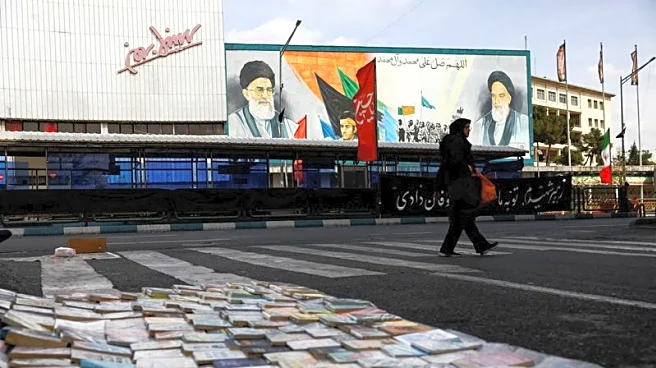
President Trump has announced that Iran has agreed to most of the 15-point list of demands set by the US to end the ongoing conflict. These demands, conveyed through Pakistan, include commitments from Iran to halt nuclear weapon development and limit
defense capabilities. Trump stated that Iran has agreed to provide oil shipments as a gesture of goodwill. However, Iran has not officially accepted the plan, and skepticism remains regarding Washington's intentions. The conflict has seen increased military activity, with the US moving more troops to the Middle East and reports of Russian support for Iran.
Why It's Important?
The negotiations between the US and Iran are critical in determining the future of Middle East stability. The potential agreement could lead to a de-escalation of military tensions and impact global oil markets. However, the lack of trust between the parties and the involvement of other international players, such as Russia, complicate the situation. The outcome of these negotiations could influence US foreign policy and its relations with allies in the region. The economic implications of oil shipments and sanctions are also significant for both countries.
What's Next?
The next steps involve continued diplomatic efforts to finalize an agreement between the US and Iran. The involvement of intermediaries like Pakistan suggests that indirect negotiations will persist. The international community will be watching closely for any shifts in military strategy or further diplomatic engagements. The potential for a broader conflict remains if negotiations fail, with implications for regional and global security.