



What's Happening?
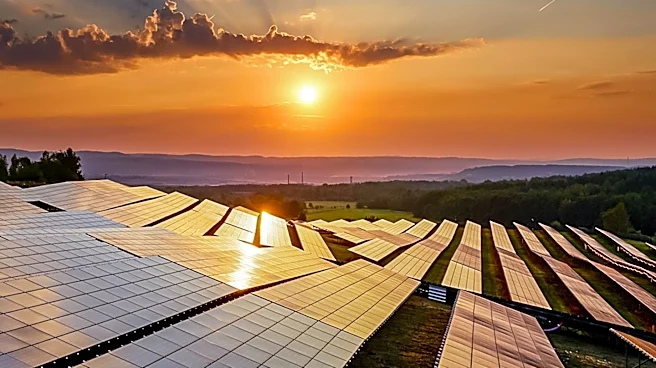
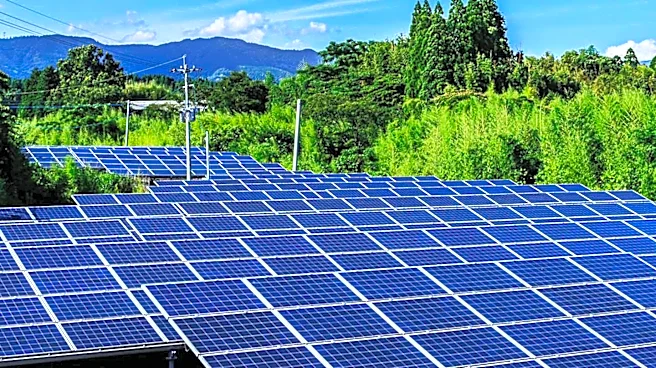
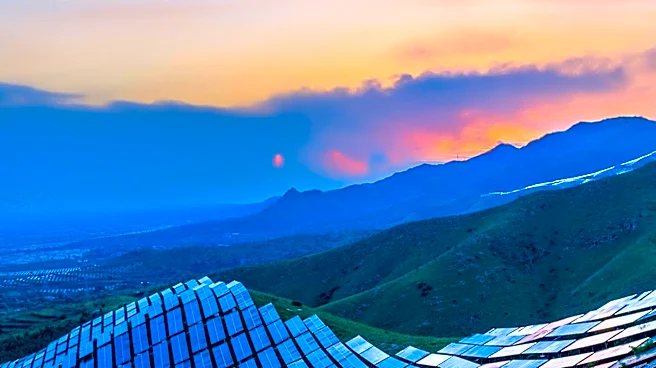
The International Renewable Energy Agency (IRENA) has reported that the Philippines installed 899 megawatts (MW) of solar energy in 2025, increasing its cumulative solar capacity to 3,892 MW. This development is part of the country's broader strategy
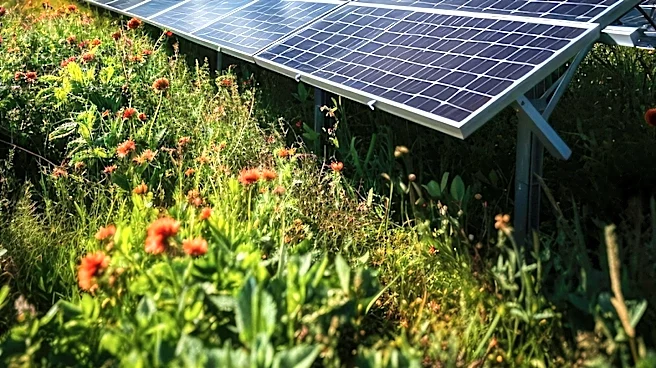
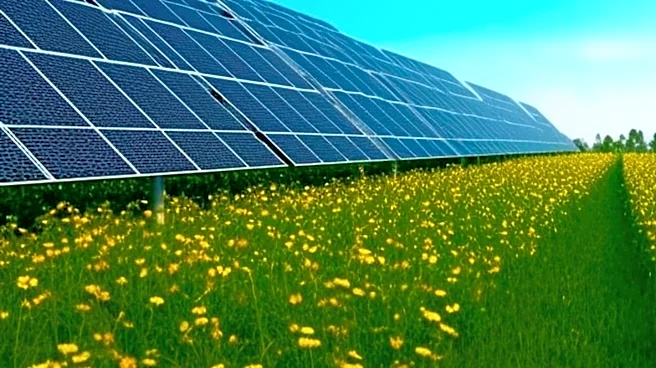
to enhance its renewable energy infrastructure. The Philippines' Department of Energy (DOE) is preparing for its ninth green energy auction (GEA-9), which will focus on integrating renewable energy with agriculture and aquaculture, known as agrisolar and aquasolar projects. These initiatives aim to utilize underdeveloped land and water resources while supporting food security and rural livelihoods. The DOE plans to publish the official terms of reference for GEA-9 in the fourth quarter of 2026. This auction is part of a series of planned auctions aimed at achieving 25 gigawatts (GW) of renewable energy by 2035.
Why It's Important?
The Philippines' commitment to expanding its renewable energy capacity is significant for several reasons. Firstly, it aligns with global efforts to transition to cleaner energy sources, reducing reliance on fossil fuels and mitigating climate change impacts. The integration of renewable energy with agriculture and aquaculture could lead to innovative solutions that enhance both energy production and food security. This approach may serve as a model for other countries with similar geographic and economic conditions. Additionally, the auctions are expected to attract private investment, boosting the local economy and creating jobs in the renewable energy sector. The focus on off-grid areas also highlights the government's commitment to providing sustainable energy solutions to remote communities, potentially improving their quality of life.
What's Next?
The DOE's upcoming auctions, including GEA-9, are expected to proceed with the publication of the terms of reference later in 2026. The auctions will likely attract significant interest from private investors, given the potential for innovative projects and the government's clear commitment to renewable energy. The focus on off-grid areas in future auctions suggests a strategic move to replace diesel-fired power plants with renewable energy facilities, which could significantly reduce carbon emissions and operational costs. As the auctions unfold, stakeholders will be watching closely to see how these initiatives impact the Philippines' energy landscape and contribute to its long-term sustainability goals.