


What's Happening?
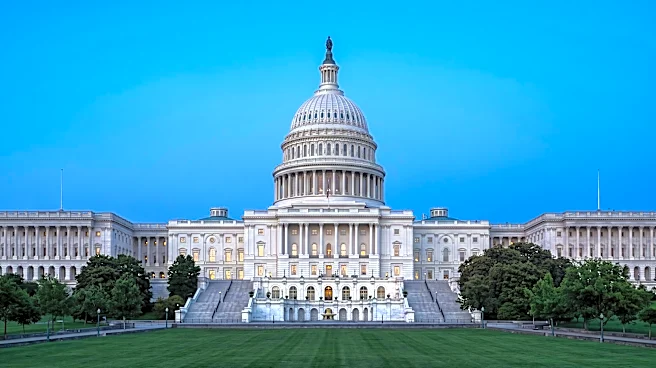
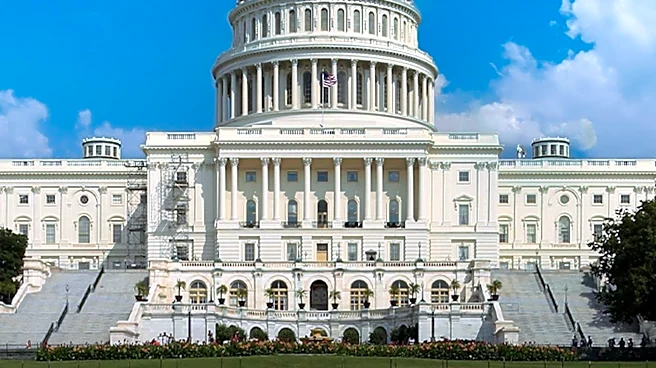
The U.S. House of Representatives has passed legislation to delay most federal restrictions on consumable hemp products until December 11. This extension provides Congress with additional time to develop and enact a comprehensive regulatory framework
for these products. The American Alternative Care Policy Network (AACPN) welcomed this delay, emphasizing its importance for veterans, first responders, and trauma survivors who use hemp-derived cannabinoid products for wellness. AACPN has been actively working with lawmakers to replace the November restrictions with a responsible federal regulatory framework. Congressman Marc Veasey (D-TX) is a cosponsor of the Lawful Hemp Protection Act (H.R. 9830), introduced by Rep. Andy Barr (R-KY), which is one of two bipartisan proposals endorsed by AACPN to provide a foundation for this work.
Why It's Important?
This delay in federal hemp restrictions is significant for several reasons. Firstly, it prevents an immediate disruption in access to consumable hemp products for a substantial number of individuals, including veterans and first responders, who rely on them for their wellness regimens. This directly impacts patient choice and access to alternative healthcare options. Secondly, it underscores the ongoing legislative challenge of regulating a rapidly growing industry that operates in a complex legal landscape, balancing consumer safety with economic opportunity. The involvement of Congressman Marc Veasey as a cosponsor of the Lawful Hemp Protection Act highlights a bipartisan recognition of the need for clear and consistent federal guidelines. This legislative effort aims to protect patients and preserve lawful access to hemp products without undermining existing state-level regulations, thereby fostering a more stable and predictable market for hemp businesses and consumers alike.
What's Next?
With the federal hemp restrictions delayed until December 11, Congress now faces a critical deadline to establish a comprehensive regulatory framework. The American Alternative Care Policy Network (AACPN) and other stakeholders will continue to engage with lawmakers to advocate for policies that protect patients and ensure continued access to consumable hemp products. If Congress fails to enact a comprehensive framework by the new deadline, there may be calls for an additional, longer delay to prevent market disruption and ensure patient access. The Lawful Hemp Protection Act (H.R. 9830), cosponsored by Congressman Marc Veasey, along with the Beverage Regulatory Parity Act (H.R. 10079), will likely be central to these ongoing legislative discussions as Congress works towards a permanent solution. The outcome will significantly impact the future of the hemp industry and the availability of these products to consumers.
Beyond the Headlines
The ongoing debate and legislative actions surrounding federal hemp restrictions reveal deeper implications for public health policy, economic regulation, and states' rights. The reliance of veterans and first responders on hemp-derived products for wellness highlights a growing acceptance of alternative therapies and the need for federal policy to adapt to evolving healthcare practices. The challenge for Congress is to craft legislation that provides regulatory clarity and consumer protection without stifling innovation or creating undue burdens on businesses. This situation also brings to light the tension between federal and state authority in regulating emerging industries, as many states have already established their own frameworks for hemp products. The bipartisan support for bills like the Lawful Hemp Protection Act, cosponsored by Congressman Marc Veasey, suggests a recognition across the political spectrum that a balanced approach is necessary to address the complexities of the hemp market and its impact on various segments of the population.