





What's Happening?
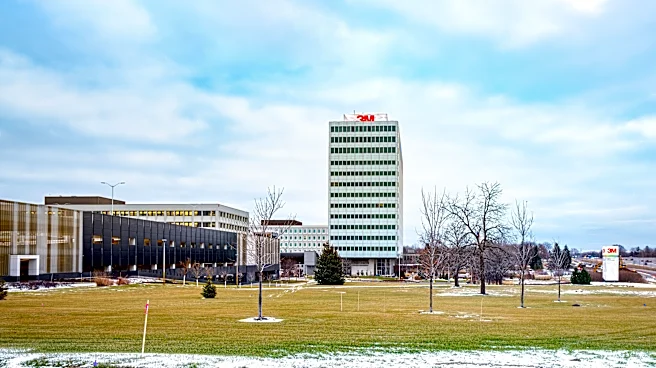
3M has reached a landmark settlement in the United States, agreeing to commit up to $7.35 billion over nine years to resolve personal injury claims related to PFAS contamination. This agreement, announced by 3M and reported by the Associated Press, aims to provide
compensation to as many as 120,000 individuals who allege that exposure to contaminated water led to serious health conditions. The settlement establishes a structured framework for resolving these claims, without 3M admitting wrongdoing. It specifically addresses individual personal injury claims, distinct from previous settlements concerning broader public water system contamination. Eligible claimants will need to meet specific criteria and provide documentation, with payments determined by the severity and type of alleged injury. PFAS, or per- and polyfluoroalkyl substances, are known as 'forever chemicals' due to their resistance to breakdown in the environment and human body, and have been linked to various health risks including certain cancers, liver and thyroid problems, and immune system effects. Contamination has been particularly severe near industrial sites and military bases where these chemicals were used.
Why It's Important?
This settlement is significant due to its substantial financial commitment and broad scope, addressing individual health claims on a large scale. It marks a pivotal moment in PFAS litigation in the U.S., shifting from case-by-case lawsuits to a structured compensation framework for affected individuals. For 3M, it represents a major step in managing extensive legal pressures stemming from thousands of lawsuits filed by individuals and municipalities. The agreement could provide financial relief to communities and individuals impacted by PFAS contamination, acknowledging the growing recognition of PFAS as a significant public health and legal issue. The structured claims process aims to offer a more predictable path for compensation, potentially making it more accessible for claimants than traditional litigation. This development also underscores the increasing scrutiny and regulatory focus on 'forever chemicals' and their long-term health and environmental impacts, potentially influencing future corporate accountability and environmental regulations.
What's Next?
Attention will now shift to the implementation of the structured claims process. Claimants will need to navigate eligibility requirements and documentation procedures, with legal representatives and claimant groups expected to play a crucial role in guiding individuals through their options. The nine-year payment schedule will dictate the timeline for when compensation becomes available, with individual payouts depending on the review process. The number of individuals who come forward, how their claims are evaluated, and the speed of compensation distribution will be key factors in determining the settlement's effectiveness in delivering relief. This settlement may also set a precedent for how future PFAS-related personal injury claims are handled across the United States, potentially encouraging other manufacturers of these chemicals to pursue similar broad-scale resolutions. Furthermore, 3M will continue its efforts in remediation and developing PFAS alternatives, as part of its broader response to regulatory and legal challenges.
Beyond the Headlines
The 3M settlement highlights the long-term societal and health consequences of widespread chemical use and the evolving understanding of environmental contaminants. It brings to the forefront the ethical responsibilities of corporations regarding product safety and environmental impact, especially when substances have persistent effects. The 'forever chemicals' designation underscores a broader challenge in environmental science and public health: addressing pollutants that do not degrade naturally. This case could influence public policy debates on chemical regulation, environmental protection standards, and corporate liability for historical pollution. It also raises questions about the adequacy of existing regulatory frameworks to prevent widespread contamination and protect public health from emerging environmental threats. The sheer scale of affected individuals and the financial commitment involved reflect a growing societal demand for accountability and redress for environmental health damages, potentially fostering a more proactive approach to chemical safety and risk assessment in industrial practices.