







What's Happening?
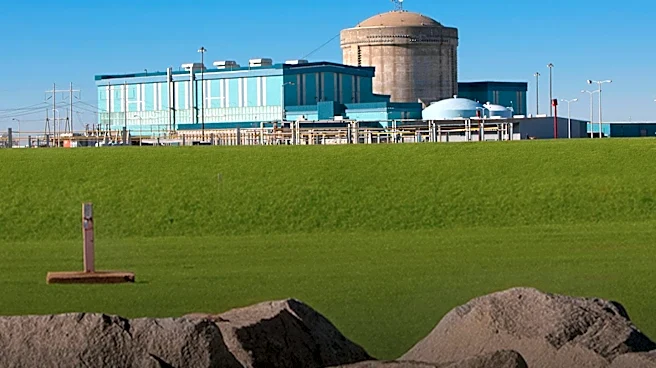
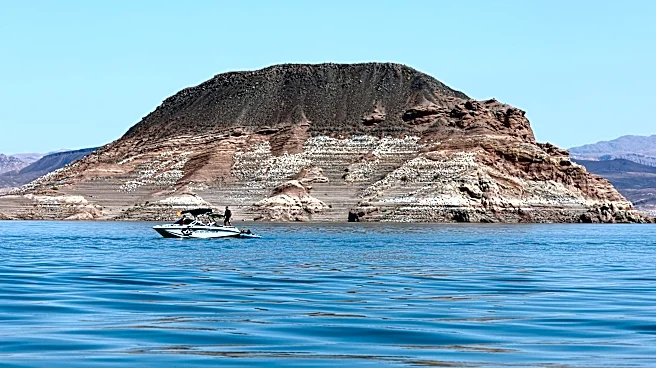
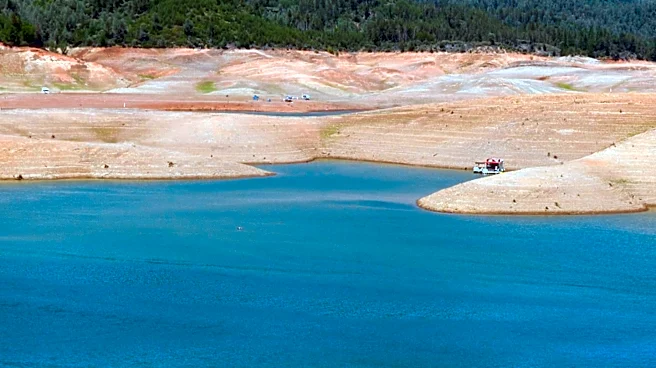
Romania's state-owned nuclear power producer, Nuclearelectrica, announced the controlled shutdown of Unit 1 at the Cernavodă nuclear power plant due to unprecedented low water levels in the Danube River caused by severe drought. The shutdown, effective
July 28, is a preventive measure to ensure nuclear safety and will not affect the electricity supply. The decision follows forecasts from the National Institute of Hydrology and Water Management. If water levels continue to drop, Unit 2 may also be shut down. The Energy Ministry has assured that electricity demand will be met through domestic production and imports, with no impact on consumer prices.
Why It's Important?
The shutdown underscores the vulnerability of energy infrastructure to environmental changes, particularly in the context of climate change. The reliance on the Danube for cooling nuclear reactors highlights the need for sustainable water management practices. The situation also raises concerns about energy security, as Romania must balance domestic production with imports to meet demand. The government's ability to manage this crisis without disrupting electricity supply is crucial for maintaining public confidence and economic stability.
What's Next?
Authorities are monitoring the Danube's water levels closely, with contingency plans in place if further shutdowns are necessary. The Energy Ministry is also expediting the approval of new energy projects, including battery storage and renewable energy, to enhance energy resilience. The situation may prompt a reevaluation of Romania's energy strategy, emphasizing the need for diversification and investment in sustainable energy sources to mitigate the impact of future environmental challenges.