





What's Happening?
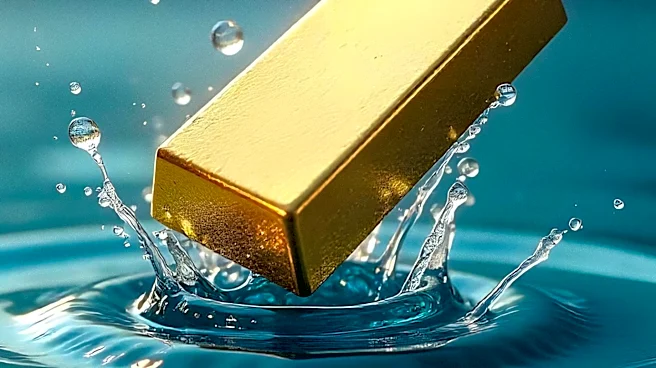
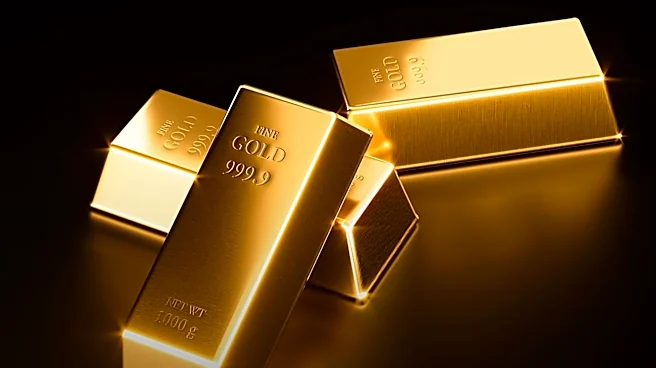
Russia has been actively selling its gold reserves to manage a significant budget deficit exacerbated by the ongoing war in Ukraine and international sanctions. As of July 2026, Russia's gold reserves have decreased by 1.4 million ounces since the beginning
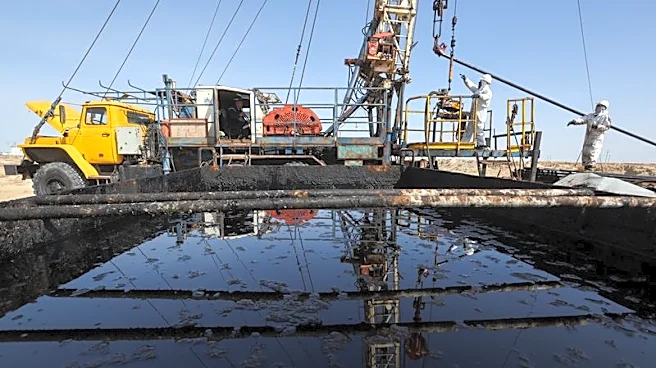
of the year, marking the sixth consecutive month of decline. The Central Bank of Russia reported that the country's gold reserves stood at 73.4 million troy ounces, equivalent to 2,282 tonnes. This reduction in gold reserves is part of Russia's strategy to cope with the financial strain caused by the war and sanctions. Additionally, Ukraine has intensified its military actions, conducting drone strikes on Russian logistics and military facilities, including a missile parts plant and an oil facility.
Why It's Important?
The sale of gold by Russia highlights the severe economic impact of the Ukraine conflict and international sanctions on the country's economy. Gold reserves are typically a financial safety net for countries, and their depletion indicates significant economic distress. This situation could lead to further economic instability in Russia, affecting global markets, especially in commodities and energy sectors. The ongoing military actions by Ukraine also suggest a prolonged conflict, which could continue to strain international relations and economic conditions. Countries dependent on Russian energy exports may face supply disruptions, leading to increased energy prices globally.
What's Next?
If the current trend continues, Russia may face further economic challenges, potentially leading to more aggressive financial strategies or seeking alternative economic partnerships. The international community may respond with additional sanctions or diplomatic efforts to resolve the conflict. The ongoing military actions by Ukraine could escalate tensions, prompting responses from global powers involved in the region. Monitoring the situation will be crucial for stakeholders in international trade and diplomacy.