




What's Happening?
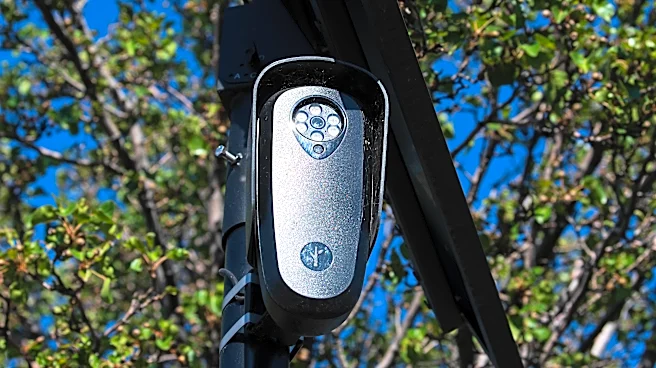
San Francisco Mayor Daniel Lurie's administration has announced new, tighter restrictions on the city's use of controversial Flock surveillance cameras. Under these updated rules, Flock, the technology provider, will now be required to remove license
plate reader data from its system after 30 days, a significant reduction from the previous allowance of up to a year. Following this 30-day period, San Francisco Police Department (SFPD) officers will need supervisor approval and an active investigation to access any remaining data. The SFPD will also be subject to regular reviews of how the system is being utilized. Mayor Lurie emphasized that this technology is crucial for public safety, stating it helps prevent crimes such as car break-ins and business robberies. The announcement was made alongside San Francisco District Attorney Brooke Jenkins and Assemblymember Matt Haney, who are also planning to introduce legislation to increase accountability for individuals who misuse authorized access to Automated License Plate Reader (ALPR) data. This move comes amid growing public scrutiny and concerns over the potential for misuse and unauthorized sharing of information from these surveillance systems.
Why It's Important?
These new restrictions represent a critical effort to balance public safety concerns with civil liberties in San Francisco. The reduction in data retention from one year to 30 days, coupled with the requirement for supervisor approval and an active investigation for access, aims to mitigate privacy risks associated with extensive surveillance. This policy shift is particularly important given past incidents, such as the improper access of ALPR data by out-of-state and federal agencies, as revealed by the SFPD in June. By strengthening accountability measures and proposing state legislation to criminalize misuse of ALPR data, San Francisco is attempting to set a precedent for how cities can manage advanced surveillance technologies responsibly. The outcome of these policies could influence other U.S. cities grappling with similar issues, potentially shaping national conversations around data privacy, law enforcement technology, and the balance between security and individual rights. The debate highlights the ongoing tension between leveraging technology for crime prevention and safeguarding citizens' privacy.
What's Next?
San Francisco will proceed with implementing these new restrictions on Flock cameras, including the 30-day data retention limit and the requirement for supervisor approval for data access. The SFPD is mandated to conduct monthly reviews for potential violations, and the Department of Police Accountability will perform regular independent audits of the system's use. Personnel with ALPR system access will be required to undergo training, with violations potentially leading to departmental discipline or termination. Concurrently, San Francisco District Attorney Brooke Jenkins and Assemblymember Matt Haney plan to introduce state legislation to strengthen penalties for any public safety personnel who misuse or unauthorizedly disclose ALPR data. This legislative effort aims to establish criminal consequences for such abuses, addressing a current gap in state law. The effectiveness of these measures in reducing crime while upholding privacy will be closely monitored, potentially influencing future policy decisions in San Francisco and other jurisdictions.
Beyond the Headlines
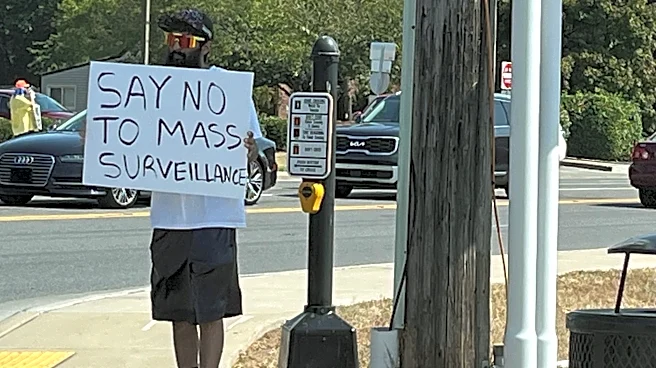
The implementation of stricter rules for Flock cameras in San Francisco delves into the complex ethical and legal dimensions of modern surveillance. While proponents argue for the technology's role in deterring and solving crimes, critics raise concerns about its potential for mass surveillance, racial profiling, and the erosion of privacy rights. The move to reduce data retention and increase oversight reflects a growing societal demand for transparency and accountability in law enforcement's use of advanced technologies. This development could trigger broader discussions about the appropriate scope of government surveillance, the need for robust legal frameworks to protect civil liberties in the digital age, and the role of technology companies in safeguarding user data. The balance struck in San Francisco could serve as a model or a cautionary tale for other communities as they navigate the challenges of integrating surveillance tools into urban environments, highlighting the ongoing tension between security imperatives and democratic values.