


What's Happening?
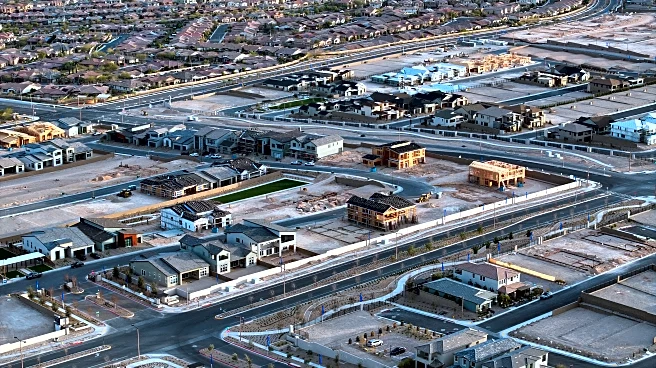
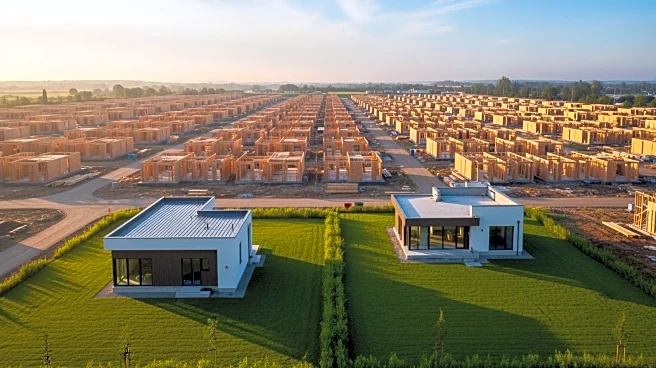
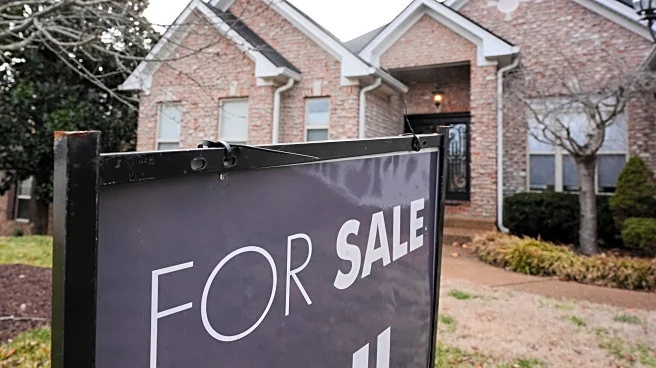
The United States is experiencing a significant housing shortage, with a supply gap reaching approximately 4.03 million homes as of 2025, according to a report by Realtor.com. This shortage is attributed to a decade of underbuilding, which has not kept
pace with household formation and demand. In 2025, 1.41 million new households were formed, while only 1.36 million housing starts were recorded, resulting in an annual deficit of about 50,000 homes. This persistent imbalance has contributed to rising home prices and reduced affordability, particularly affecting younger buyers. The report highlights that the shortage is most acute in the South, followed by the Northeast, Midwest, and West. Despite strong construction activity, challenges such as zoning restrictions, labor shortages, and high material costs continue to hinder progress.
Why It's Important?
The housing shortage has significant implications for the U.S. economy and society. Rising home prices and limited inventory make it difficult for young adults to enter the housing market, delaying household formation and economic independence. The shortage exacerbates affordability issues, with the minimum income required to purchase a median-priced starter home reaching $86,000 in 2025, a figure beyond the reach of many first-time buyers. This situation underscores the need for policy reforms to boost housing construction and address regulatory barriers. Without such measures, the housing market will continue to face challenges, impacting economic growth and social stability.
What's Next?
Addressing the housing shortage will require a multifaceted approach, including increased construction activity and policy reforms. Realtor.com has launched the Let America Build campaign, advocating for changes in zoning rules, regulatory processes, and permitting to accelerate housing development. Even with optimistic construction scenarios, it could take up to seven years to close the current supply gap. Stakeholders, including lawmakers, builders, and communities, are urged to collaborate on solutions to restore balance to the housing market and improve access to homeownership for future generations.