





What's Happening?
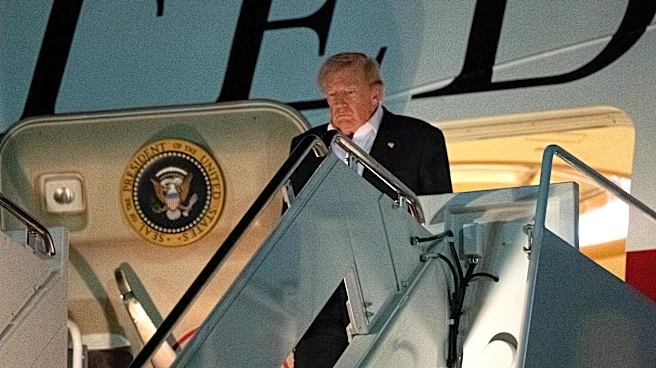
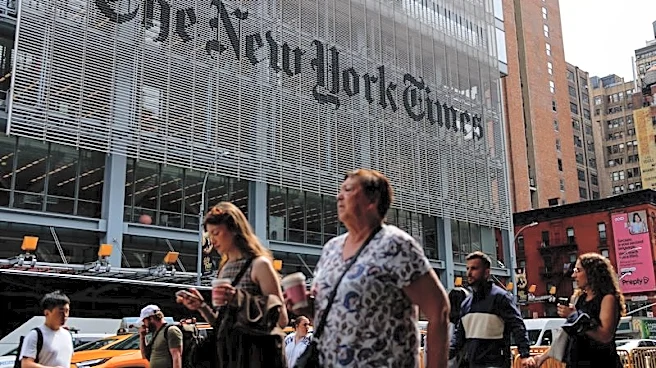
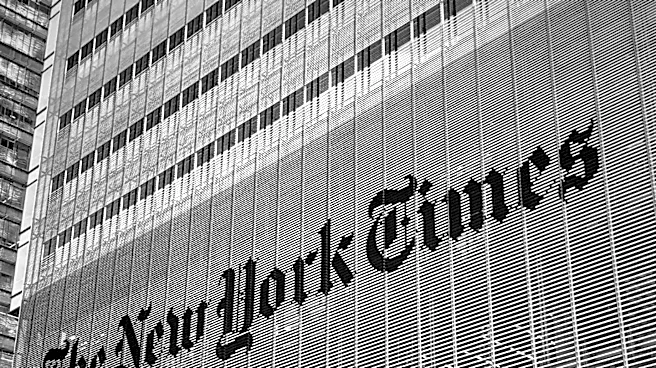
The New York Times has filed a motion to quash subpoenas issued by the Justice Department to its journalists. These subpoenas are related to the Times' coverage of security concerns involving a new Air Force One jet, which was a gift from Qatar and retrofitted
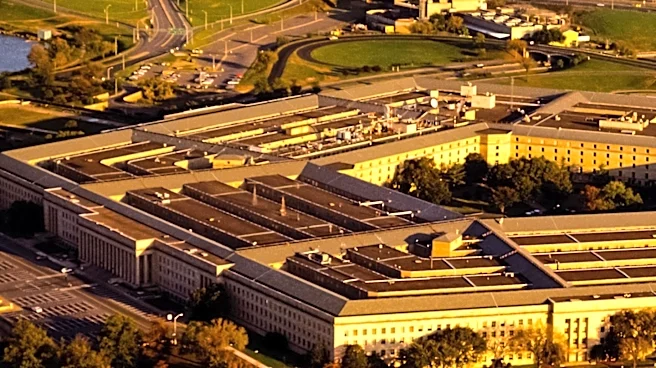
by the Trump administration. The subpoenas demand that journalists testify before a federal grand jury, a move that the Times argues violates constitutional rights and press freedom. The Justice Department claims the subpoenas are aimed at identifying those leaking classified information, not targeting the journalists themselves. This legal battle highlights tensions between press freedom and government efforts to control leaks of sensitive information.
Why It's Important?
This case underscores the ongoing conflict between the U.S. government and the press regarding the handling of classified information. The outcome could have significant implications for press freedom, potentially affecting how journalists report on national security issues. If the government succeeds, it may set a precedent that could deter journalists from investigating and reporting on sensitive topics, thereby impacting public access to important information. Conversely, a victory for the Times could reinforce protections for journalists, ensuring they can report on government actions without fear of legal repercussions.
What's Next?
The legal proceedings will continue in the Southern District of New York, where the Times has filed its motion. The case may prompt reactions from press freedom advocates and could influence future Justice Department policies on handling leaks. The court's decision will be closely watched as it may affect how similar cases are handled in the future, potentially prompting legislative or policy changes to balance national security concerns with press freedoms.