






What's Happening?
As spring arrives in the Northern Hemisphere, tick season begins, increasing the risk of tick-borne illnesses such as Lyme disease. Experts suggest that many tick exposures occur during everyday activities in residential yards. To mitigate this risk,
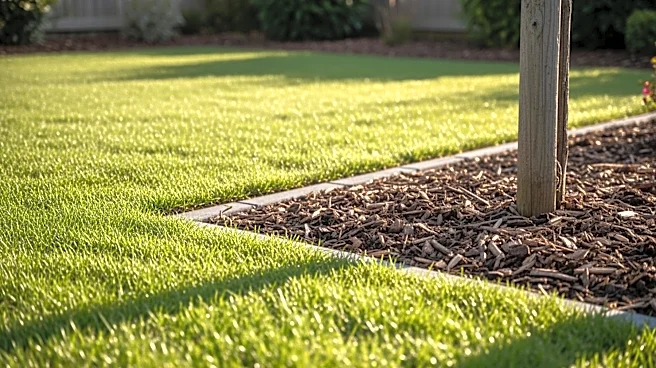
homeowners can implement several strategies to make their yards less hospitable to ticks. These include maximizing sun exposure by trimming overgrown trees and bushes, clearing leaf litter, and managing wildlife that may carry ticks. Additionally, using tick repellents and creating barriers with mulch or gravel can help reduce tick presence. While these measures can lower tick numbers, experts caution that they do not eliminate the risk of tick-borne diseases entirely.
Why It's Important?
Tick-borne diseases pose a significant public health concern, with Lyme disease being one of the most common in the United States. As climate change potentially expands the range of ticks, the risk of exposure increases. Implementing preventive measures in residential areas is crucial for reducing the incidence of these diseases. Homeowners, especially those with children and pets, can benefit from understanding and applying these strategies to protect their families. The development of a new Lyme disease vaccine offers hope, but until it becomes widely available, prevention remains key.