
What's Happening?
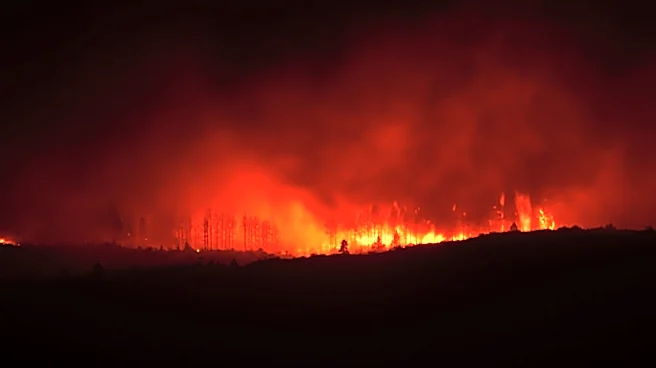
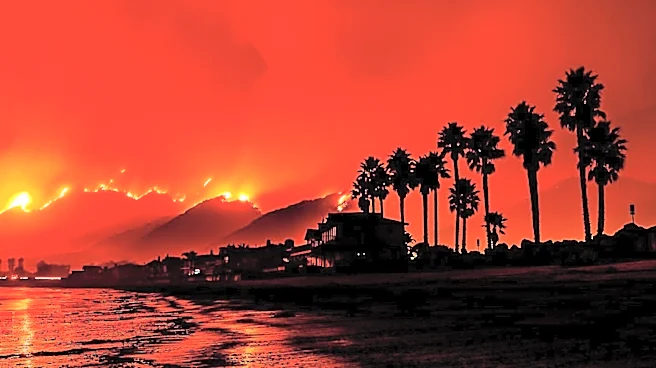
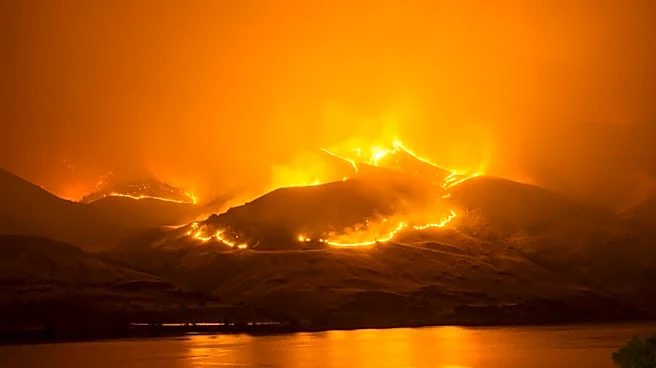
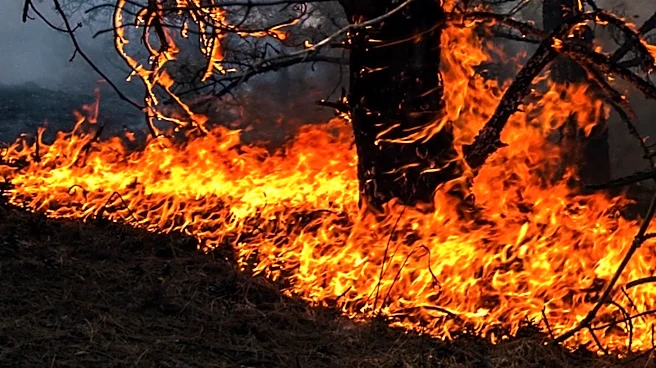
The Pacific Northwest is experiencing a severe wildfire season, with significant fires raging in Washington and Oregon. According to the National Interagency Fire Center, over 100 large fires remain uncontained
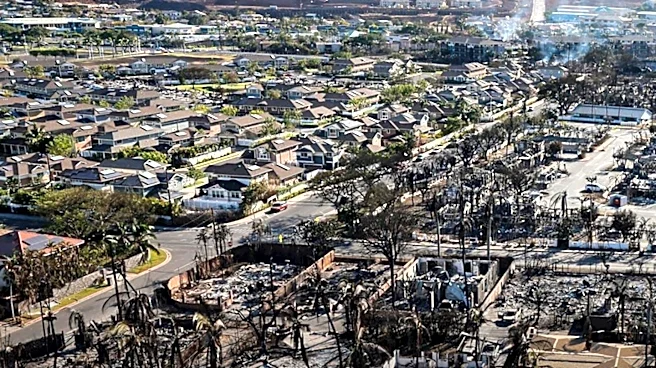
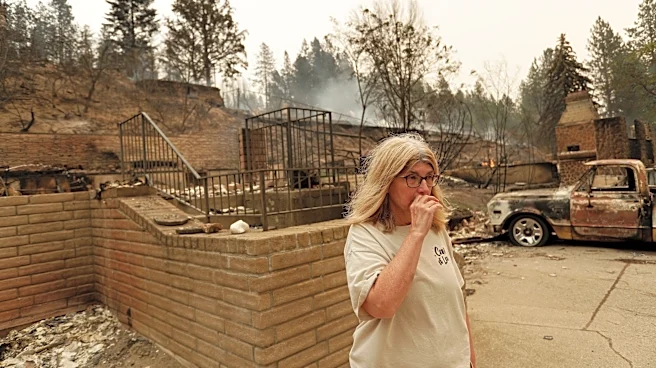
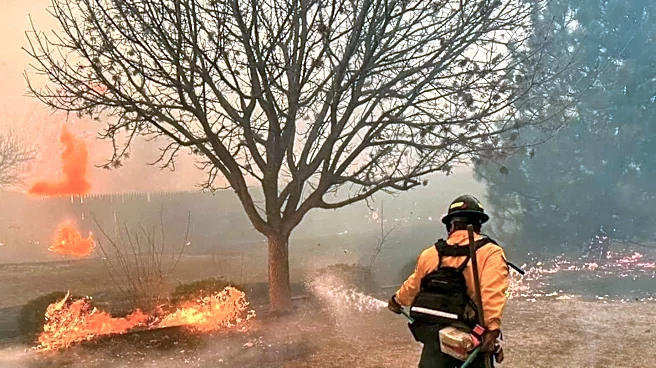
nationwide, with nearly half located in these two states. The fires have already scorched more than 5.1 million acres across the U.S., surpassing the 10-year average for this time of year. The wildfires have forced residents to evacuate and have led to the closure of major roadways. The smoke from these fires has significantly deteriorated air quality, with more than 30 cities in Washington reporting unhealthy air quality levels. Firefighters are working tirelessly to contain the blazes, but high winds and dry conditions continue to pose challenges.
Why It's Important?
The wildfires in Washington and Oregon highlight the increasing frequency and intensity of such natural disasters, exacerbated by climate change. The destruction of homes and infrastructure poses significant economic challenges for affected communities, while the poor air quality impacts public health, particularly for those with respiratory conditions. The fires also strain firefighting resources, as personnel are stretched thin across multiple states. This situation underscores the urgent need for comprehensive strategies to address climate change and improve disaster preparedness and response.
What's Next?
Firefighting efforts are expected to continue as conditions remain challenging. The focus will be on containing the fires and preventing further spread, especially with forecasts predicting a return of high temperatures and winds. Authorities are also working to assess the full extent of the damage and provide support to displaced residents. Long-term recovery and rebuilding efforts will be necessary for the affected communities, requiring coordination between local, state, and federal agencies.