

What's Happening?
Governor Kathy Hochul has reversed her previous support for legislation that would have allowed the testing of self-driving vehicles outside New York City. This decision comes after feedback from various stakeholders, including street safety groups and
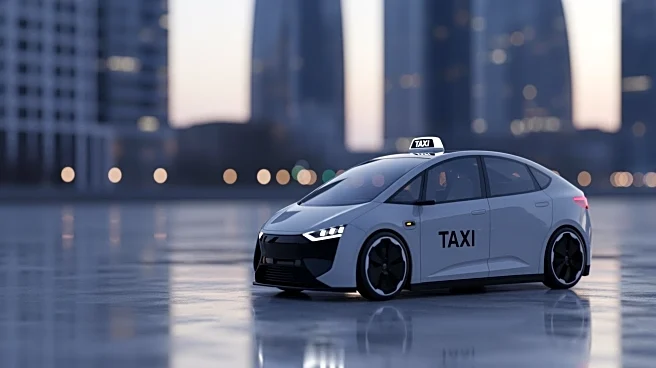
unions representing cab drivers, who expressed concerns about the impact of autonomous vehicles on their industry. The Independent Drivers Guild has been particularly vocal, petitioning for a ban on autonomous vehicle testing throughout the state. Currently, Waymo, a self-driving car company owned by Alphabet, is permitted to operate a limited number of vehicles in Manhattan and Brooklyn, but these must have a human driver present. The reversal does not affect this ongoing pilot program. Waymo has been expanding its operations in other U.S. cities like Los Angeles, Phoenix, and San Francisco, where driverless cars are more common.
Why It's Important?
The decision by Governor Hochul highlights the ongoing debate over the integration of autonomous vehicles into urban environments. The concerns raised by cab drivers and safety groups underscore the potential economic and social impacts of such technology. For-hire and yellow cab drivers fear significant job losses if robotaxis become widespread. Additionally, the safety of autonomous vehicles remains a contentious issue, with stakeholders questioning their readiness for complex urban environments. The outcome of this decision could influence future legislative actions regarding autonomous vehicles in New York and potentially set a precedent for other states grappling with similar issues.
What's Next?
Waymo and other companies interested in expanding autonomous vehicle operations in New York will likely continue lobbying for legislative changes to allow broader testing and deployment. The ongoing pilot program in New York City will serve as a critical test case for the technology's viability and safety in dense urban settings. Stakeholders, including legislators and industry representatives, will need to balance innovation with public safety and economic considerations. The outcome of these discussions could shape the future landscape of transportation in New York and beyond.