







What's Happening?
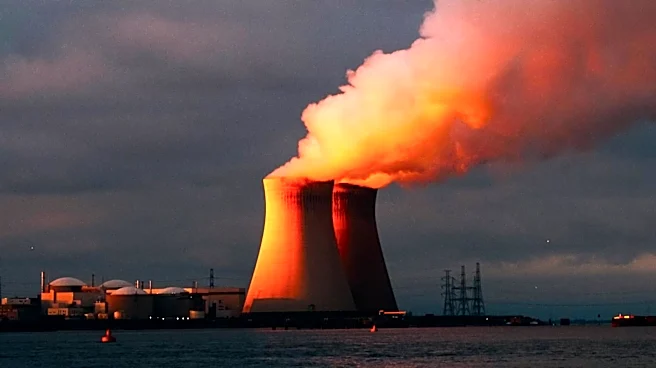
A cluster of Legionnaires' Disease cases has been reported in the South Bronx, with a notable increase in the number of affected individuals. Investigations into the outbreak have identified the presence of Legionella bacteria in cooling towers located
at prominent sites, including Yankee Stadium and a local hospital. News 4's Rana Novini reported on the locations of these cooling towers, indicating their role in the spread of the bacteria. This development follows earlier reports of rising cases in the area, prompting concerns about public health and safety. The identification of specific cooling towers as sources of the bacteria suggests a localized origin for the cluster.
Why It's Important?
The rise in Legionnaires' Disease cases in the South Bronx, coupled with the flagging of cooling towers at significant public venues like Yankee Stadium and a hospital, underscores a critical public health concern. Legionnaires' Disease, a severe form of pneumonia, can be particularly dangerous for vulnerable populations, including the elderly and those with compromised immune systems. The presence of the bacteria in cooling towers at high-traffic locations increases the potential for widespread exposure, impacting both residents and visitors. This situation highlights the importance of stringent maintenance and monitoring protocols for cooling systems in urban environments to prevent the proliferation of harmful bacteria and protect community health. The involvement of a hospital's cooling tower is especially concerning, as it could pose a risk to patients already in a weakened state.
What's Next?
Following the identification of Legionella bacteria in cooling towers at Yankee Stadium and a hospital, immediate actions are expected to include disinfection and remediation efforts at these sites. Public health officials will likely continue to monitor the situation closely, tracking new cases and expanding testing to identify any additional sources of the bacteria. There may be increased scrutiny and enforcement of regulations concerning cooling tower maintenance across the city, potentially leading to new guidelines or inspections for other buildings. Residents in the affected areas may be advised on precautionary measures, and public awareness campaigns about Legionnaires' Disease symptoms and prevention could be launched to mitigate further spread and ensure timely medical attention for those affected.
Beyond the Headlines
The Legionnaires' Disease outbreak in the South Bronx, with its connection to cooling towers at major institutions, brings to light broader issues of urban infrastructure maintenance and public health oversight. Beyond the immediate health crisis, this event could trigger a re-evaluation of building codes and environmental health regulations, particularly concerning water systems in large structures. It also raises questions about the frequency and thoroughness of inspections for such systems, especially in densely populated areas. The incident may also influence public perception of safety in large venues and healthcare facilities, potentially leading to demands for greater transparency regarding environmental health risks. This situation serves as a stark reminder of the continuous need for vigilance in maintaining public health infrastructure to prevent outbreaks of preventable diseases.