



What's Happening?
A Minnesota woman, Kristen Behne, has filed a lawsuit against Chipotle after being hospitalized with sepsis, which she claims was caused by a salmonella infection linked to contaminated jalapeño peppers. The lawsuit, filed in U.S. District Court in Minnesota,
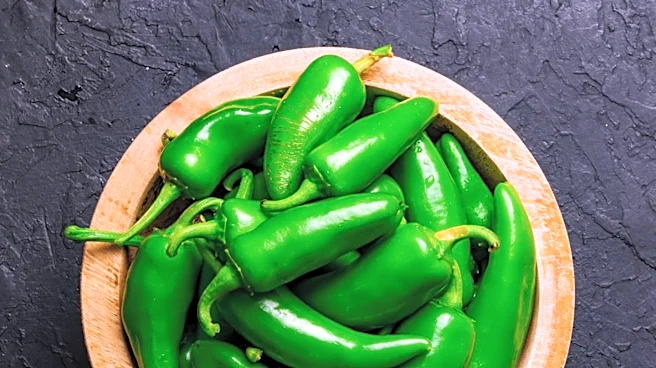
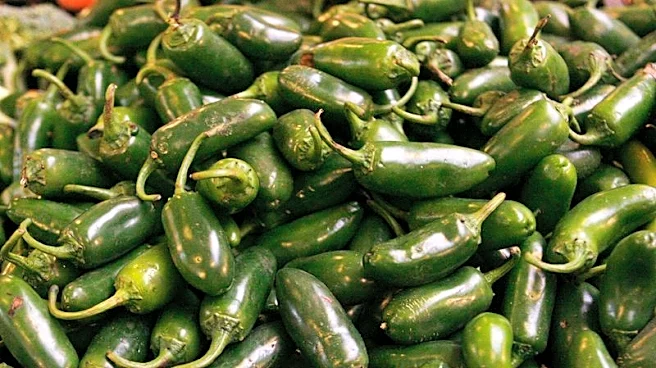
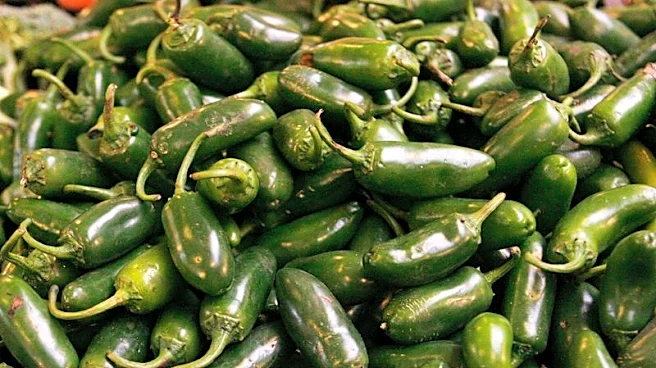
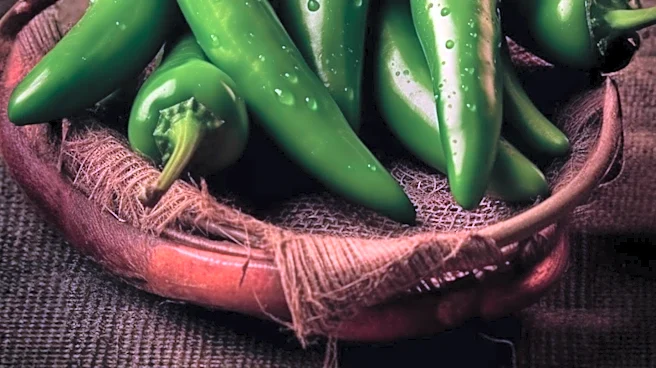
seeks over $75,000 in damages. Behne's illness is part of a larger outbreak that has affected at least 345 people across 27 states. The Centers for Disease Control and Prevention (CDC) identified the outbreak strain of salmonella as being linked to jalapeño peppers grown in Sinaloa, Mexico, and distributed by Coast Citrus Distributors. Chipotle and other restaurants have since removed the affected peppers from their menus.
Why It's Important?
This lawsuit highlights the significant public health and legal implications of foodborne illness outbreaks. The salmonella outbreak has already affected hundreds of people, leading to hospitalizations and potential long-term health consequences for those infected. For businesses like Chipotle, such incidents can result in reputational damage, financial losses, and increased scrutiny from health authorities. The case underscores the importance of stringent food safety practices and the potential legal liabilities companies face when outbreaks occur. Consumers rely on restaurants to provide safe food, and failures in this area can lead to serious health risks and legal challenges.
What's Next?
As the investigation into the salmonella outbreak continues, more cases may emerge, potentially leading to additional lawsuits and recalls. The Food and Drug Administration (FDA) and CDC are likely to intensify their efforts to trace the source of contamination and prevent further spread. Restaurants and food distributors may need to review and enhance their food safety protocols to avoid similar incidents in the future. The outcome of Behne's lawsuit could set a precedent for how similar cases are handled legally, influencing future litigation related to foodborne illnesses.