



What's Happening?
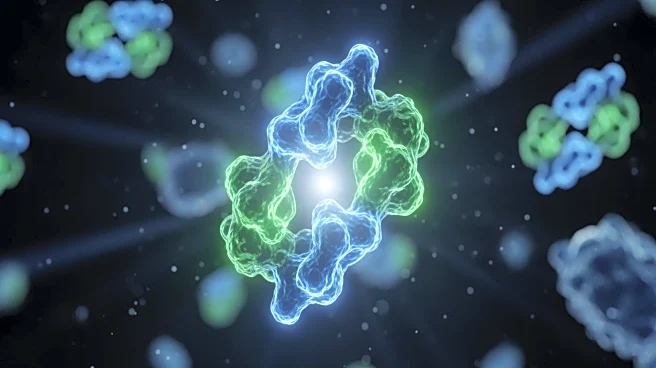
Researchers at Umeå University in Sweden have discovered that a toxin secreted by cholera bacteria, known as MakA, can inhibit the growth of colorectal cancer. This finding is significant as colorectal cancer is the third most common cancer globally and
has the second highest mortality rate. The study demonstrated that systemic administration of MakA in mice reduced tumor growth without causing harm to healthy tissues. The toxin specifically targets tumor cells, increasing cell death and altering the tumor's immune environment to enhance the body's natural defenses. This research suggests a potential new avenue for cancer treatment that could complement existing methods like surgery, radiation, and chemotherapy, which often have significant side effects.
Why It's Important?
The discovery of MakA's ability to target and inhibit colorectal cancer growth could revolutionize cancer treatment by providing a less harmful alternative to traditional therapies. This approach could reduce the side effects associated with current treatments, improving the quality of life for patients. The study's findings also highlight the potential of using bacterial substances in cancer immunotherapy, which could lead to the development of new drugs that harness the body's immune system to fight cancer more effectively. If further research confirms these results, it could lead to significant advancements in oncology, offering hope to millions affected by colorectal cancer worldwide.
What's Next?
Further research is needed to explore the full potential of MakA in cancer treatment. This includes testing its efficacy in other cancer models and assessing its suitability for clinical use in humans. Researchers will likely conduct additional studies to understand the mechanisms by which MakA alters the tumor environment and to ensure its safety and effectiveness in larger populations. If successful, these studies could pave the way for clinical trials and eventually lead to the development of new cancer therapies that utilize bacterial toxins to combat tumor growth.