





What's Happening?
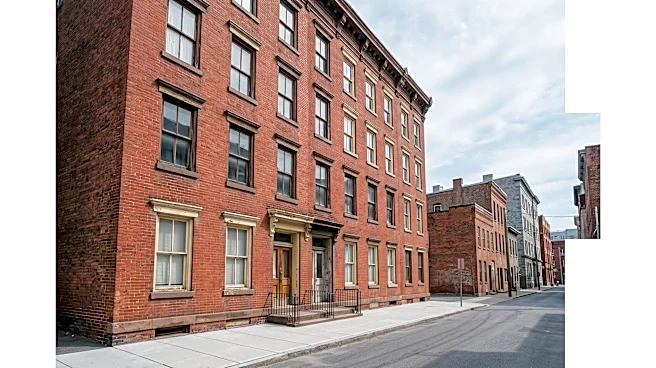
A documentary film titled 'Lower Lancaster Street' focuses on the gentrification of a specific block in Albany, New York. Produced over a year starting in 1980, the film captures the significant transformation that occurred in the decade following the completion
of the Empire State Plaza. The documentary highlights how this rundown block, once home to working-class and unemployed residents, was gradually taken over by middle-class newcomers. This shift illustrates a common pattern in gentrification, where an influx of residents with higher purchasing power leads to changes in the socio-economic makeup of a neighborhood, often at the expense of its original inhabitants. The film serves as a historical record of the displacement and community changes experienced in Albany during this period.
Why It's Important?
The 'Lower Lancaster Street' documentary is important because it provides a tangible historical account of gentrification's effects on a specific U.S. community. It underscores how large-scale urban development projects, such as the Empire State Plaza, can inadvertently trigger significant demographic and economic shifts in surrounding areas. The displacement of working-class and unemployed residents by middle-class individuals highlights the social costs associated with urban renewal and economic growth. This historical perspective offers valuable insights into the long-term consequences of gentrification, including the loss of affordable housing, the erosion of community identity, and the widening gap between different socio-economic groups within a city. Understanding these past impacts can inform current and future urban planning efforts to mitigate similar negative outcomes.
What's Next?
While the documentary itself is a historical piece, its themes remain highly relevant today as gentrification continues to affect communities across the U.S. The film's insights can serve as a cautionary tale for urban planners and policymakers, prompting them to consider the social implications of development projects. Future discussions and policies might focus on implementing strategies to protect vulnerable populations from displacement, such as inclusive zoning, community land trusts, or tenant protection laws. The ongoing relevance of 'Lower Lancaster Street' suggests a continued need for public awareness and dialogue about equitable urban development and the preservation of diverse communities in the face of economic change.
Beyond the Headlines
The 'Lower Lancaster Street' documentary delves into the deeper, often overlooked, human cost of urban development. It illustrates how gentrification is not merely an economic phenomenon but a process that profoundly impacts individuals' lives, their sense of belonging, and their access to essential resources. The film implicitly raises ethical questions about who benefits from urban progress and whether the pursuit of economic revitalization justifies the displacement of long-standing residents. It also highlights the cultural dimension of gentrification, as the influx of new residents often brings different values and lifestyles, potentially eroding the unique character and traditions of a neighborhood. This historical case study from Albany offers a powerful lens through which to examine the ongoing challenges of balancing growth with social equity in American cities.