




What's Happening?
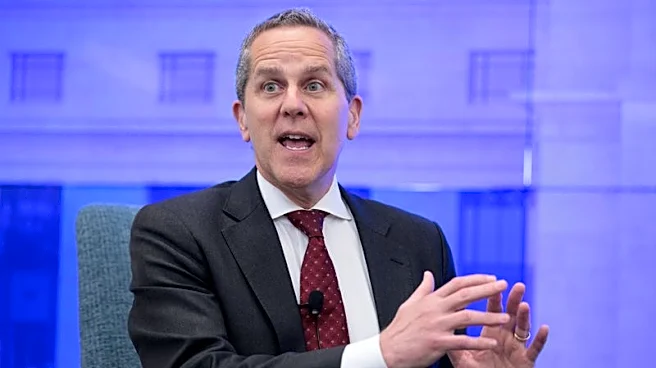
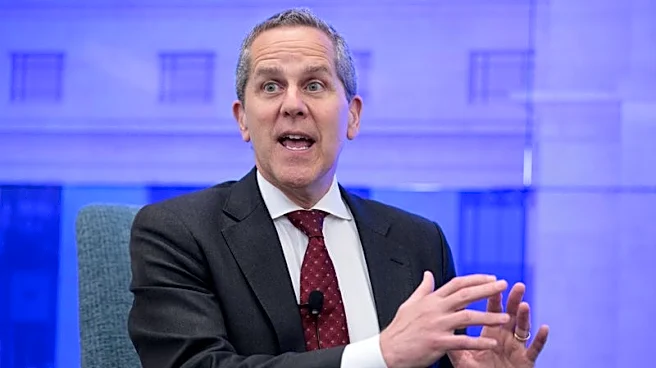
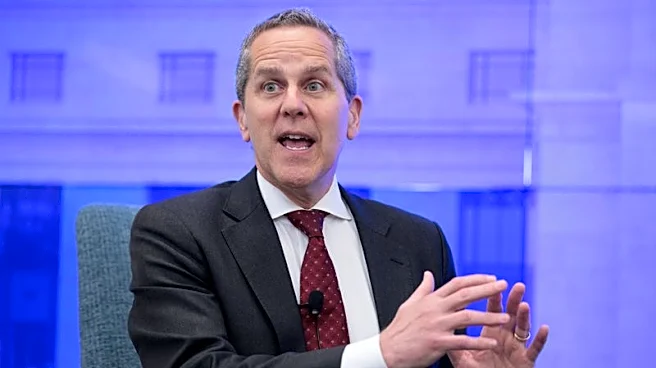
Federal Reserve Governor Barr delivered a speech highlighting the severe housing affordability crisis in the United States, affecting both homeowners and renters. Barr noted that real, constant-quality house prices are at a record high in many areas,
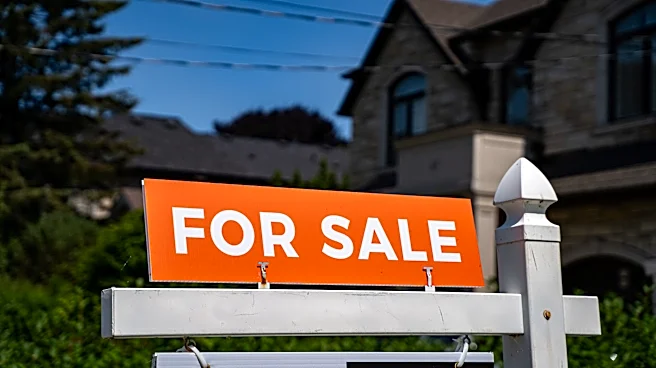
and mortgage rates are elevated compared to pre-pandemic levels. This combination has made homeownership unattainable for many families. For renters, about half are cost-burdened, spending 30% or more of their income on rent, with a quarter dedicating at least half their income to housing. Between 2000 and 2024, real median household income increased by approximately 17%, while real U.S. house prices surged by about 70%, exacerbating the challenge of accumulating funds for down payments or upfront rental costs. Barr identified a significant housing supply shortfall, estimated between 2 million and 5.5 million units, as a major driver of high home prices. This deficit is attributed to factors such as restrictive local land use regulations, slow productivity growth in construction, the lingering effects of the 2008 housing bust on the homebuilding industry, and increased housing production costs due to the COVID-19 crisis and inflation.
Why It's Important?
The housing affordability crisis has profound implications for the U.S. economy and society. High housing costs strain household budgets, reduce disposable income, and hinder wealth accumulation, particularly for low- and moderate-income (LMI) families. The "lock-in effect," where homeowners with low mortgage rates are reluctant to sell, further constrains housing supply and contributes to rising prices. This situation can lead to reduced labor mobility, as individuals may struggle to afford housing near job opportunities, impacting economic growth and productivity. The speech underscores the critical role of policies like the Community Reinvestment Act (CRA) and the Low-Income Housing Tax Credit (LIHTC) in promoting affordable housing and community development. These programs leverage private capital to expand housing options, but the scale of the current crisis suggests that more comprehensive and collaborative efforts across industry, government, and community groups are needed to address the systemic issues of supply, cost, and access.
What's Next?
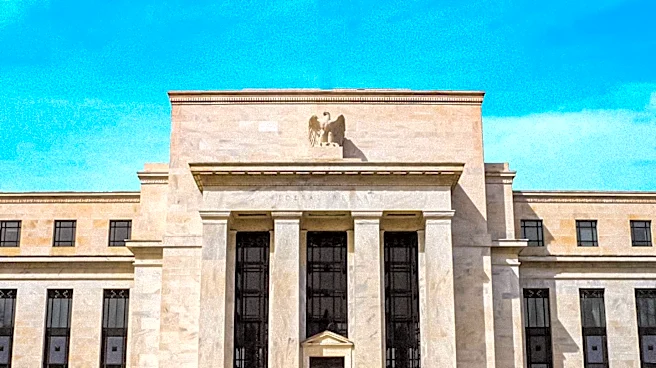
Addressing the housing affordability crisis will require a multi-faceted approach involving both public and private sectors. Governor Barr emphasized the importance of continued collaboration, with private-sector innovation in construction methods and financing, and financial institutions supporting affordable housing development. The Federal Reserve, through its supervision of the CRA, will continue to encourage banks to serve LMI communities. Recent bipartisan legislation aims to expand rental assistance, address zoning barriers, and support homeownership counseling. Efforts to explore innovative building practices, such as modular housing, are also underway to lower costs and accelerate construction. Future actions will likely focus on increasing housing supply, streamlining regulatory processes, and ensuring that existing programs like CRA and LIHTC are effectively utilized and potentially expanded to meet the growing demand for affordable housing across the country. The Federal Reserve's monetary policy decisions, aimed at achieving stable prices, are also expected to indirectly influence mortgage rates and overall housing affordability.
Beyond the Headlines
Beyond the immediate economic and policy implications, the housing affordability crisis touches upon fundamental issues of social equity and community well-being. The widening gap between income growth and housing costs threatens the American ideal of homeownership and creates significant barriers to economic mobility. The concentration of housing shortages in traditionally high-growth areas, coupled with restrictive local regulations, highlights a tension between local control and broader societal needs for accessible housing. The long-term consequences could include increased homelessness, greater social stratification, and a decline in the overall quality of life for many Americans. The speech implicitly calls for a re-evaluation of land use policies and construction practices to foster more inclusive and sustainable housing markets. It also underscores the need for a robust social safety net, including housing vouchers, to support the most vulnerable populations, ensuring that everyone has a safe and affordable place to call home.