

What's Happening?
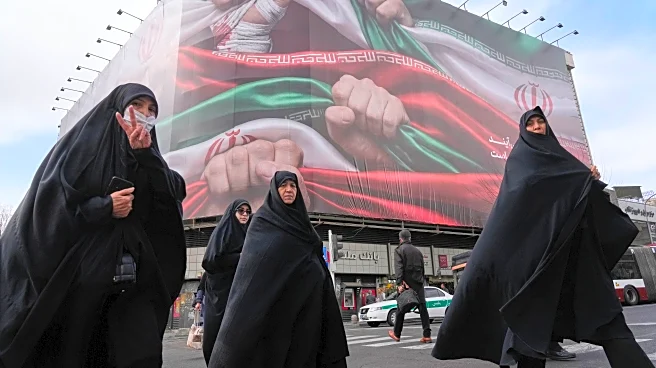
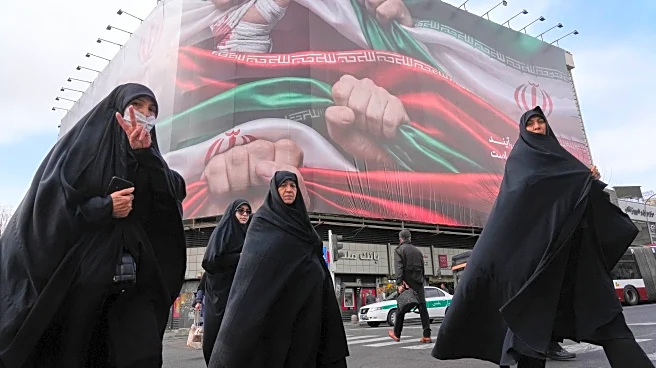
Iran is experiencing significant domestic unrest as widespread protests challenge the regime's stability. The protests, marked by a brutal crackdown, have been met with severe repression by security forces, including the Law Enforcement Command and Basij
Organization. Despite efforts to suppress dissent, indicators suggest ongoing unrest and potential regime instability. The regime's response has included internet blackouts and increased use of force, reflecting fears of losing control. The situation is further complicated by potential separatist movements and international geopolitical tensions.
Why It's Important?
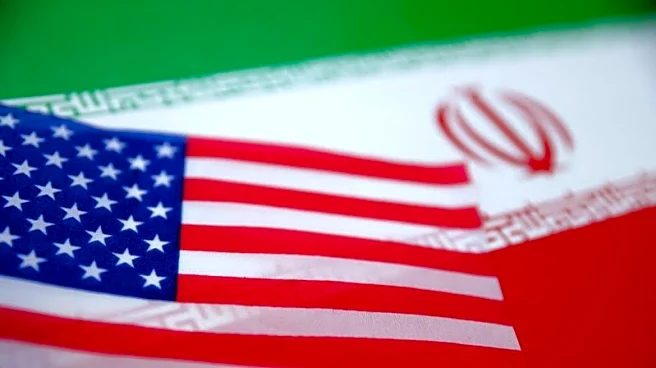
The protests in Iran represent a critical moment for the regime, with potential implications for regional stability and international relations. The regime's ability to maintain control is being tested, and the outcome could influence the balance of power in the Middle East. The unrest highlights the challenges faced by authoritarian regimes in managing dissent and the potential for significant political change. The situation also underscores the importance of international attention and potential support for democratic movements.
What's Next?
The Iranian regime may continue to escalate its repressive measures to quell the protests, but sustained unrest could lead to further instability. International actors may consider interventions or support for the protestors, though the nature and impact of such actions remain uncertain. The situation could lead to shifts in regional alliances and influence future policy decisions by global powers. Observers will be closely monitoring developments for signs of regime change or significant political transformation.