




What's Happening?
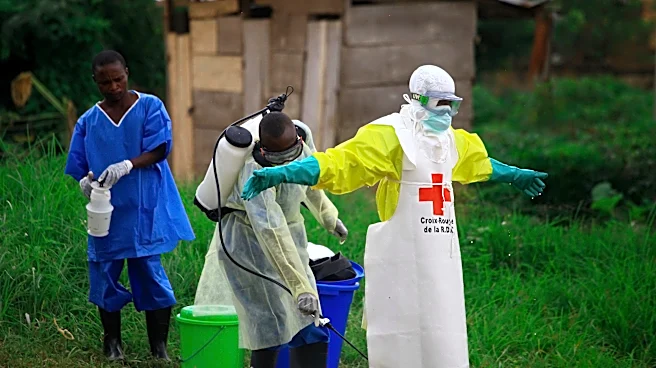
Experts are raising concerns about the United States' preparedness for future pandemics, highlighting deficiencies in public health infrastructure and response capabilities. Stephanie Psaki, former White House global health security coordinator, emphasized
that the U.S. is not ready for the next pandemic threat, citing the loss of personnel and systems that were crucial during the COVID-19 response. Anthony Fauci, former chief medical adviser, pointed out the challenges posed by misinformation and the need for better communication strategies. The COVID-19 pandemic revealed significant gaps in the U.S. public health system, including issues with testing, vaccine distribution, and global health collaboration.
Why It's Important?
The lack of preparedness for future pandemics could have severe consequences for public health and safety. The COVID-19 pandemic exposed vulnerabilities in the U.S. healthcare system, and without significant investment and reform, the country may struggle to respond effectively to new health threats. Misinformation and public distrust in health measures further complicate efforts to manage outbreaks. Strengthening public health infrastructure, improving communication strategies, and fostering international collaboration are essential to enhance pandemic preparedness and protect public health.
What's Next?
To improve pandemic preparedness, the U.S. may need to invest in rebuilding public health infrastructure, including hiring and training personnel, enhancing testing capabilities, and ensuring equitable vaccine distribution. Addressing misinformation through effective communication strategies and fostering public trust in health measures will be crucial. Collaboration with international partners and organizations like the World Health Organization will also be important to strengthen global health security.