



What's Happening?
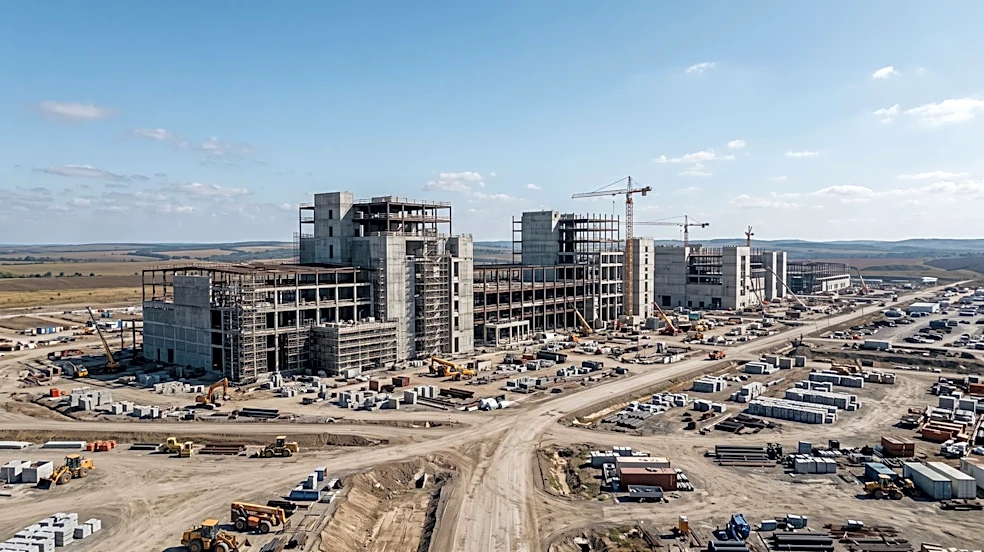
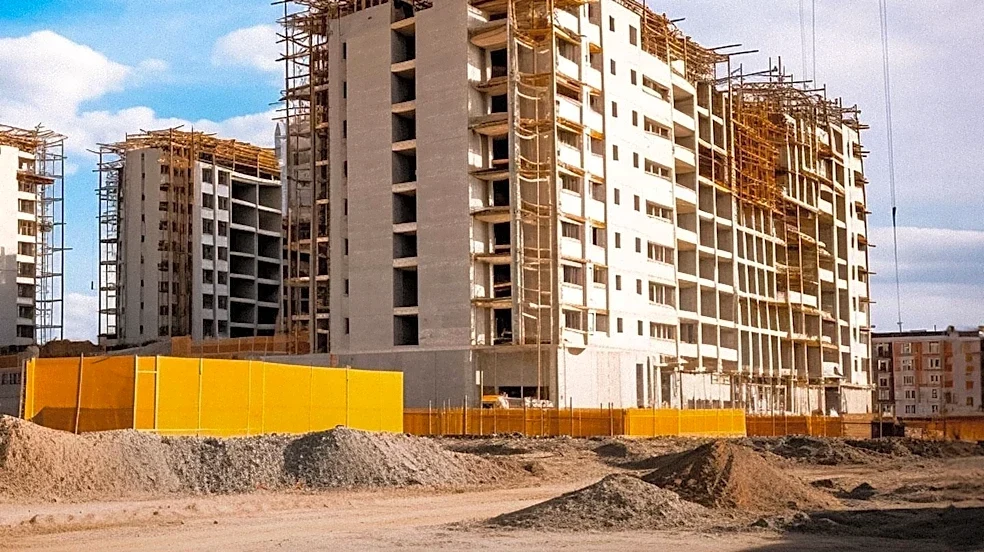
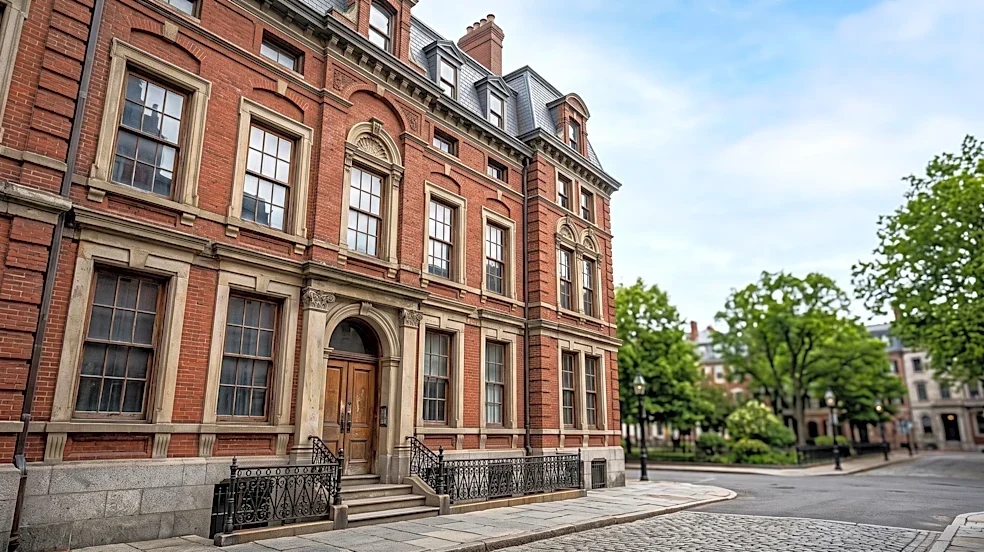
Howard County's Department of General Services has commenced the final phase of exterior rehabilitation for The Capitoline Center. This Phase 2 construction, announced by County Executive Calvin Ball in July, includes significant upgrades and expansions.
The project will add 6,300 square feet of new programmable space, comprising 3,100 square feet for the Roving Radish program, 1,700 square feet for a shared teaching and demonstration kitchen, and 1,500 square feet of multipurpose community space for Recreation & Parks programming. These new spaces will complement the existing Asian American and Pacific Islander (AAPI) Cultural Center. The total cost for Phase 2 is approximately $5.95 million, with $5.2 million from County funding and $750,000 from a federal Save America’s Treasures preservation grant, specifically supporting the rehabilitation of the historic 1843 courthouse cupola.
Why It's Important?
The rehabilitation of The Capitoline Center is a significant investment in Howard County's cultural and community infrastructure. The expansion of programmable space will directly benefit residents by providing enhanced facilities for various programs, including culinary education through the Roving Radish and recreational activities. The federal grant funding underscores the historical importance of the 1843 courthouse cupola, ensuring its preservation for future generations. This project reflects a commitment to fostering arts, culture, and history within the county, while also supporting community engagement and educational initiatives. The integration of the AAPI Cultural Center within the facility further promotes diversity and inclusion, making the center a hub for a wide range of community activities and services.
What's Next?
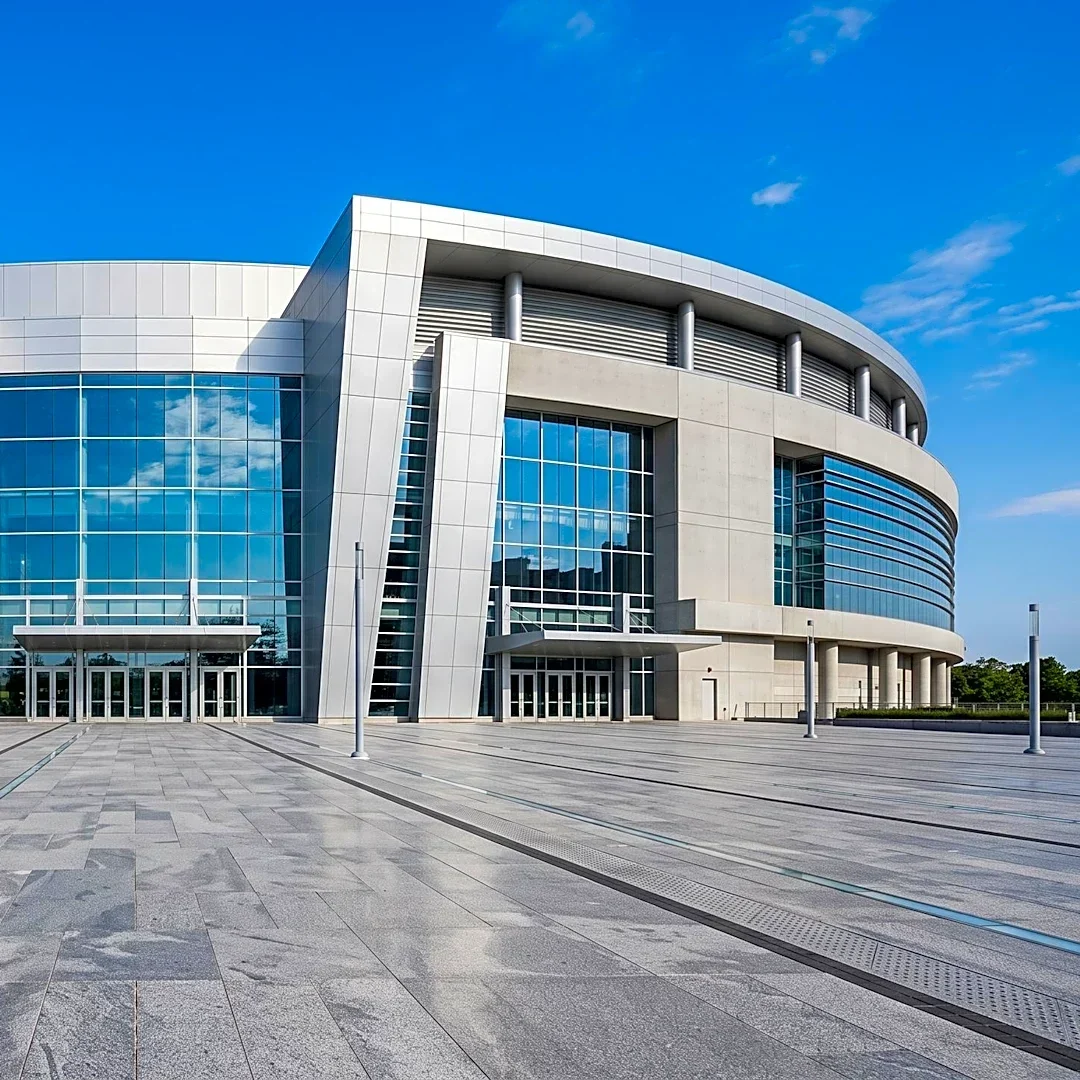
The exterior rehabilitation and expansion of The Capitoline Center are currently underway, with completion expected to significantly enhance the facility's offerings. Once finished, the new spaces will become operational, providing expanded services for the Roving Radish program, a new teaching kitchen, and additional community areas for Recreation & Parks. The fully restored historic cupola will also be a prominent feature. The county will likely hold an official reopening or dedication ceremony to mark the completion of this final phase. Community members can anticipate increased opportunities for cultural events, educational workshops, and recreational programs at the revitalized center, further solidifying its role as a central community asset.
Beyond the Headlines
Beyond the immediate benefits of new facilities, the Capitoline Center's rehabilitation symbolizes a broader commitment to preserving historical landmarks while adapting them for modern community needs. The blend of historical preservation with contemporary programming, such as the teaching kitchen and cultural center, reflects an evolving approach to urban development that values both heritage and functionality. This project could serve as a model for other communities looking to revitalize historic buildings into vibrant public spaces. The federal funding component also highlights the importance of national support for local preservation efforts, recognizing the cultural and historical value of such sites. The long-term impact will be a strengthened sense of community identity and increased access to diverse cultural and educational resources.