






What's Happening?
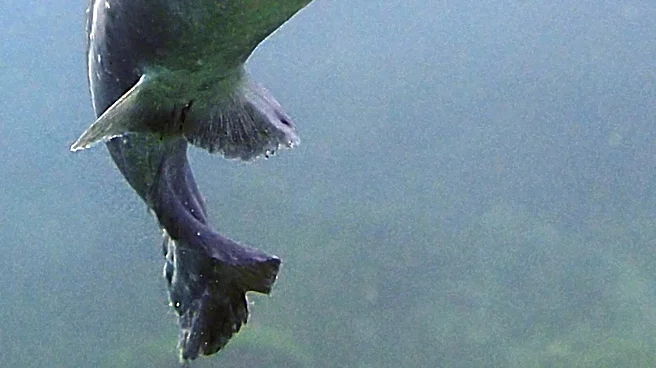
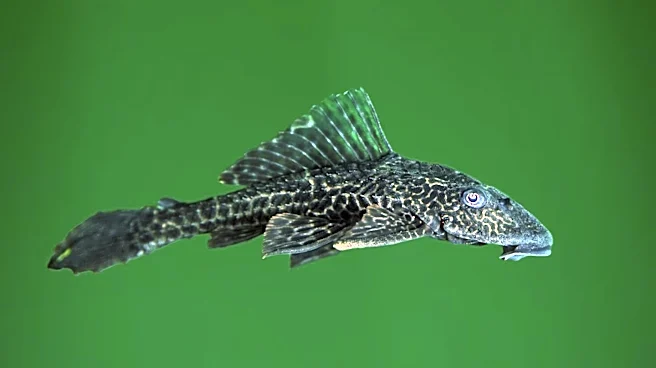
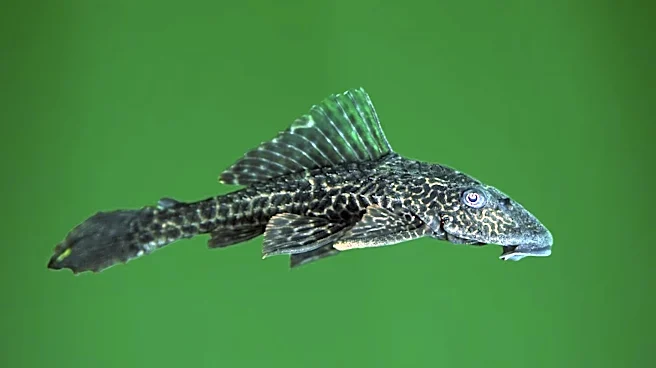
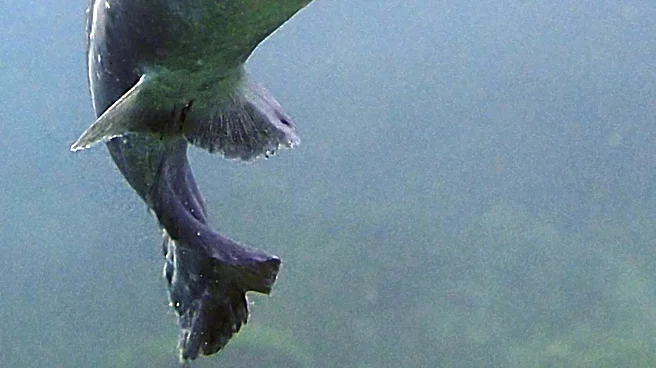
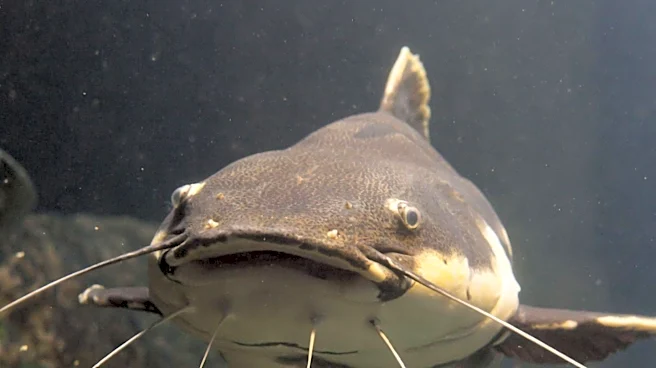
Researchers have discovered the first known instance of a transmissible cancer in freshwater fish, specifically in brown bullhead catfish in Lake Memphremagog, which spans the border of Vermont and Quebec. This finding emerged after anglers and biologists
noticed catfish with raised black spots, later identified as melanoma lesions, affecting 23% to 37% of the sampled fish. Initially, environmental factors such as pollution from past flooding events were suspected. However, the study, published in Nature, suggests that cancer cells are transferring directly from one catfish to another. This marks a significant discovery as it is the first known transmissible cancer in fish and the first identified in a freshwater setting.
Why It's Important?
The discovery of transmissible cancer in catfish has significant implications for environmental and ecological health. Lake Memphremagog serves as a drinking water source for over 175,000 people, raising concerns about potential human health impacts. However, scientists assure that there is no known risk of this cancer transferring to humans or other species in the area. This finding adds to the limited list of naturally transmissible cancers, previously known only in dogs, Tasmanian devils, and certain mollusks. Understanding how these cancer cells evade immune systems and spread could provide valuable insights into cancer biology, potentially influencing future research and treatment strategies.
What's Next?
Researchers are continuing to investigate the mechanisms of cancer transmission among catfish, particularly focusing on their behavior during spawning seasons, which may facilitate the spread of cancer cells. Further studies are needed to determine the exact transmission routes and to assess any long-term ecological impacts. This research could lead to broader studies on transmissible cancers in other species and environments, potentially reshaping our understanding of cancer dynamics in wildlife.
Beyond the Headlines
This discovery highlights the complex interactions between environmental factors and wildlife health. It underscores the importance of monitoring and protecting aquatic ecosystems, which can be vulnerable to both natural and human-induced changes. The study also raises questions about the potential for similar phenomena in other freshwater species, prompting a reevaluation of how environmental stressors might influence disease dynamics in aquatic environments.