






What's Happening?
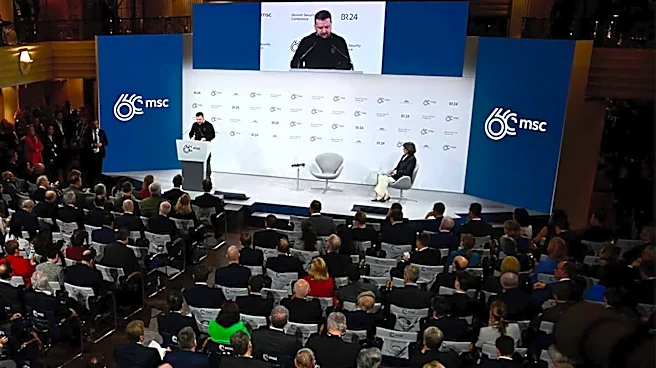
Natural Aceh, an initiative from Aceh, Indonesia, participated in the 9th Paris Peace Forum in 2026, presenting its circular oyster farming project. This project was selected as one of the top 40 out of 607 applications from over 90 countries. The initiative,
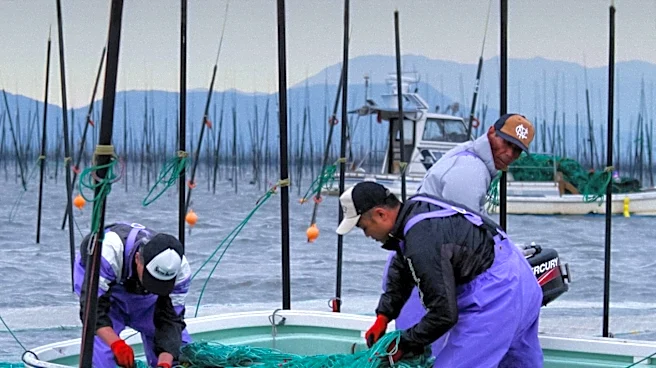
titled 'Women Restoring Mangroves Through Circular Oyster Farming,' addresses three interconnected challenges: marine pollution, mangrove ecosystem degradation, and limited livelihoods for coastal women. Natural Aceh utilizes discarded HDPE plastic and used plastic gallons as oyster collectors, reducing pressure on mangrove roots from traditional oyster harvesting. This method has significantly reduced oyster collection time from eight hours to approximately one hour and has tripled the weekly income for participating women. The project also contributes to the protection of about 11 hectares of mangrove ecosystems in Aceh's coastal areas. The forum, themed 'From Sovereignty to Cooperation,' gathered approximately 3,500 participants from 98 countries and featured over 400 speakers across more than 80 discussion sessions. Zainal Abidin Suarja, Founder and Director of Natural Aceh Corp, spoke at an international discussion on how coastal communities can combat ocean plastic.
Why It's Important?
This initiative highlights a successful community-based approach to environmental and economic challenges, demonstrating that local innovations can yield significant impacts. By integrating waste utilization, ecosystem conservation, food production, and women's economic empowerment, Natural Aceh provides a replicable model for sustainable coastal resource management. The project's success in increasing income for hundreds of women in eight coastal districts of Aceh underscores the potential for economic growth through environmentally conscious practices. Furthermore, its recognition at an international forum like the Paris Peace Forum elevates the visibility of such grassroots efforts, encouraging global dialogue and potential collaborations. This model challenges the notion that large-scale technology is always necessary for environmental solutions, emphasizing the power of local knowledge, women's leadership, and community collaboration in addressing complex issues like plastic pollution and climate change.
What's Next?
Natural Aceh's participation in the Paris Peace Forum is expected to open avenues for dialogue and cooperation with international organizations, governments, development agencies, and other stakeholders. The organization hopes its circular oyster farming model will serve as a reference for developing community-based solutions to plastic pollution and environmental changes in coastal regions worldwide. The exposure gained at the forum could lead to increased funding, partnerships, and broader implementation of similar projects in other vulnerable coastal communities. The model's success in Aceh could inspire other regions to adopt similar circular economy principles, focusing on empowering local communities, particularly women, to become key agents in environmental problem-solving. Continued development of oyster-based food products through Kiboy Food, a social enterprise part of Natural Aceh Corp, also indicates future expansion in value-added economic activities.
Beyond the Headlines
The Natural Aceh project exemplifies a holistic approach to sustainable development, intertwining ecological restoration with social and economic empowerment. It underscores the ethical imperative of involving the most affected communities in crafting environmental solutions, shifting them from passive victims to active innovators. The initiative's focus on women's leadership in environmental conservation and economic development challenges traditional gender roles and highlights the critical role women play in community resilience. Legally, such models could influence policy-making towards supporting circular economy initiatives and community-led conservation efforts. Culturally, it reinforces the value of traditional knowledge and local adaptation strategies in addressing global environmental crises. This project demonstrates that effective solutions often emerge from the ground up, driven by local needs and ingenuity, offering a powerful counter-narrative to top-down, technology-centric approaches.