



What's Happening?
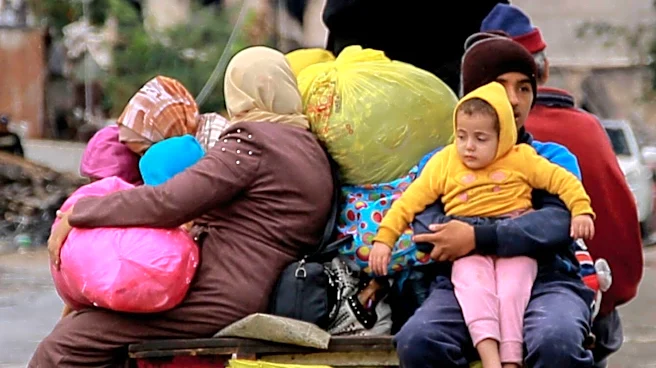
Afghanistan is facing a severe child malnutrition crisis, with one million children suffering from severe malnutrition and an additional 3.7 million experiencing acute malnutrition. This dire situation is exacerbated by a significant decline in humanitarian
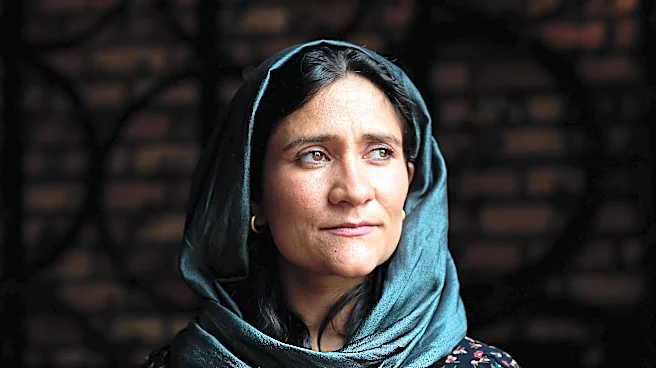
assistance and the subsequent closure of approximately 100 child malnutrition treatment centers across the country. Yasmin Prazo Desimouze, Director of Operations at the International Committee of the Red Cross (ICRC), has urged the international community not to abandon Afghanistan and to continue providing crucial humanitarian support. The ICRC currently supports 46 clinics and seven rehabilitation centers in Afghanistan, but the scale of the crisis demands broader international intervention. The worsening health crisis is compounded by widespread humanitarian needs and restrictions imposed on women, further hindering efforts to provide aid and care.
Why It's Important?
The severe child malnutrition crisis in Afghanistan represents a critical humanitarian emergency with profound long-term implications. The closure of numerous treatment centers due to cuts in foreign aid directly impacts the survival and development of millions of children, potentially leading to increased mortality rates and irreversible health consequences. This situation highlights the fragility of public health infrastructure in conflict-affected regions and the immediate impact of reduced international funding on vulnerable populations. The call from the ICRC underscores the moral imperative for global engagement and the potential for a generation of children to suffer from chronic health issues, impaired cognitive development, and reduced productivity, which will have lasting effects on Afghanistan's societal and economic recovery. The crisis also serves as a stark reminder of the interconnectedness of global health and humanitarian efforts, where the withdrawal of support can quickly unravel years of progress.
What's Next?
The immediate next steps involve a renewed call for international donors and organizations to increase humanitarian assistance to Afghanistan, specifically targeting child malnutrition programs. The ICRC and other aid organizations will likely continue to advocate for sustained funding and support to reopen closed treatment centers and expand existing services. There will be an ongoing need to monitor the situation closely, assess the impact of current aid levels, and adapt strategies to address the evolving humanitarian landscape, including the challenges posed by restrictions on women. Diplomatic efforts may also be required to ensure unhindered access for humanitarian aid workers and supplies. The long-term outlook will depend on the international community's willingness to provide consistent support and the ability of local and international organizations to effectively deliver aid amidst complex political and social challenges.
Beyond the Headlines
Beyond the immediate crisis, the resurgence of child malnutrition in Afghanistan points to deeper systemic issues, including prolonged conflict, economic instability, and the impact of political changes on humanitarian access and funding. The closure of treatment centers not only deprives children of life-saving care but also erodes the healthcare infrastructure, making future health crises more difficult to manage. The disproportionate impact on children and women raises ethical concerns about the protection of vulnerable populations in humanitarian emergencies. This situation could lead to a lost generation with severe health and developmental challenges, perpetuating a cycle of poverty and instability. The crisis also highlights the critical role of sustained international engagement in preventing humanitarian catastrophes and the need for a comprehensive approach that addresses both immediate needs and underlying causes of vulnerability.