








What's Happening?
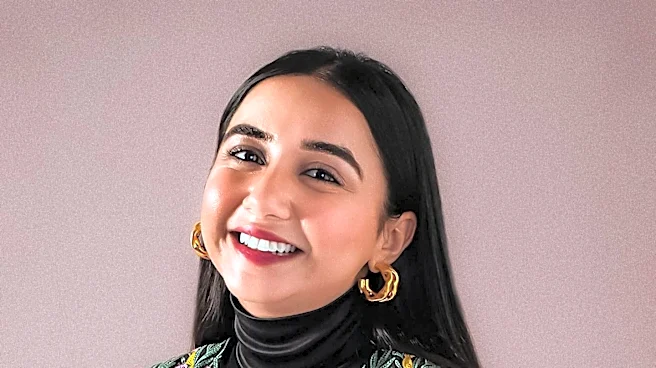
Arunima IP, an Indian content creator with a significant online following, was detained by the Taliban in Afghanistan for traveling alone as a woman. She had embarked on a solo trip to the country approximately two weeks prior. On Monday, she issued an SOS
message seeking connection to the Indian embassy, and by Tuesday morning, she confirmed her safety via an Instagram update. Ms. Arunima had been documenting her travels through daily YouTube videos, visiting markets and remote villages. She noted that while Afghan women are typically only permitted to show their eyes and must cover their faces, she was able to show her face as a foreign woman, though still required to cover her head and body. She questioned why the Taliban granted her a visa if solo female travel was against their laws, stating that she was told she had violated rules and was going to be arrested. She expressed concern about increased checks and patrols by Taliban officials as she planned to leave for Uzbekistan.
Why It's Important?
This incident highlights the severe risks and challenges faced by women traveling alone in regions governed by strict interpretations of Islamic law, such as Afghanistan under Taliban rule. For U.S. citizens and global travelers, it serves as a stark reminder of the critical importance of adhering to travel advisories and understanding local laws and cultural norms, which can differ dramatically from Western standards. The detention of a foreign national, even for what the Taliban considers a violation of local rules, underscores the unpredictable nature of governance in such regions and the potential for arbitrary enforcement. This event also raises ethical questions about the responsibility of content creators who travel to high-risk areas, potentially inspiring others to undertake similar journeys without fully grasping the dangers involved. The incident could influence travel advisories and perceptions of safety for women globally, particularly concerning destinations with known human rights issues.
What's Next?
Following her release, Ms. Arunima plans to leave Afghanistan for Uzbekistan, expressing concerns about potential further scrutiny from Taliban officials during her journey. The incident may prompt renewed warnings from various governments, including the U.S., advising citizens against travel to Afghanistan due to the volatile security situation and the Taliban's restrictive policies, especially concerning women. The case could also spark further debate among the travel community and content creators regarding responsible travel practices in high-risk or culturally sensitive regions. The Taliban and the Indian embassy have not yet commented on the case, but their responses, or lack thereof, could further shape international perceptions of travel safety in Afghanistan. This event serves as a cautionary tale, emphasizing the need for extreme caution and thorough research before considering travel to such destinations.
Beyond the Headlines
This incident transcends a mere travel mishap, touching upon profound issues of human rights, gender inequality, and the clash of cultural values. The Taliban's detention of a foreign woman for traveling alone underscores their systematic oppression of women, extending even to those from other nations, albeit with some leniency for foreigners. It highlights the stark reality that for Afghan women, solo travel is not merely restricted but virtually impossible, stripping them of fundamental freedoms. The content creator's experience also brings into focus the complex role of social media in documenting such journeys; while it can raise awareness, it also risks normalizing or glamorizing travel to dangerous places without fully conveying the inherent risks. This event serves as a powerful illustration of the global struggle for women's autonomy and the critical need for international advocacy and support for women's rights in oppressive regimes.