
What's Happening?
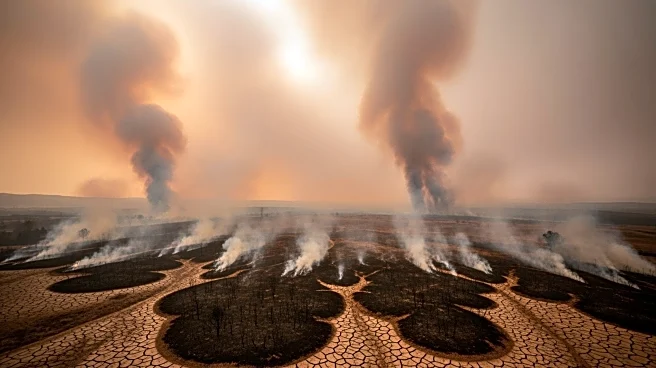
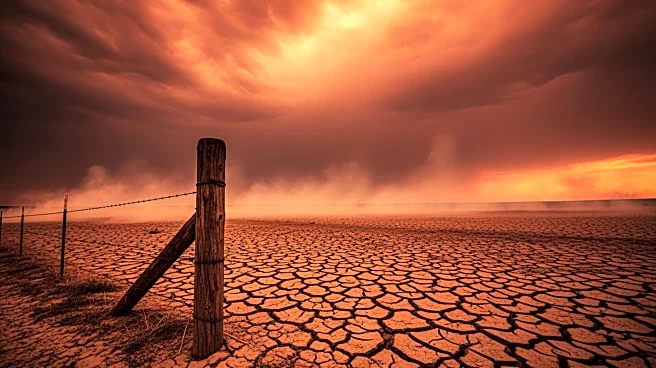
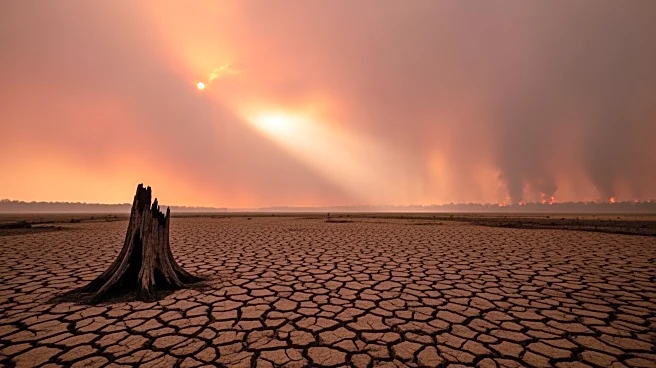
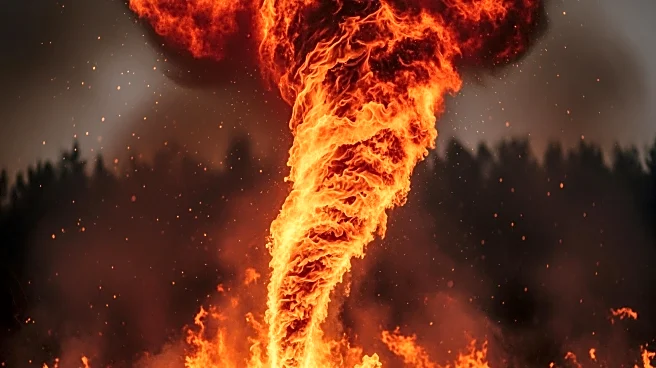
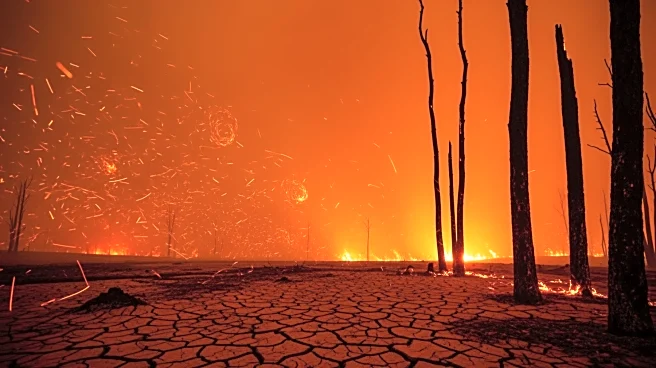
Multiple wildfires have swept across Kansas, beginning on February 17, exacerbated by higher winds and drier conditions than usual. In response, Governor Laura Kelly declared a state of disaster emergency on February 15, anticipating the fires. These
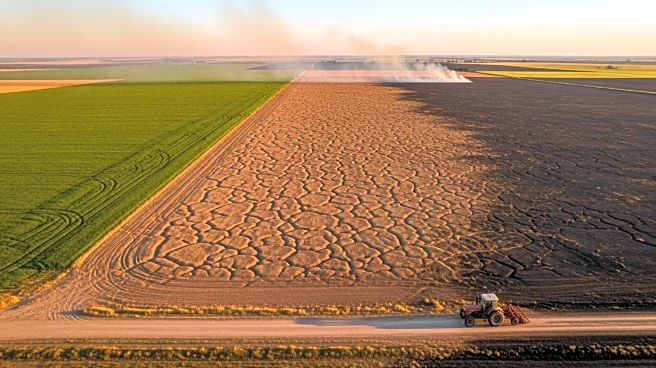
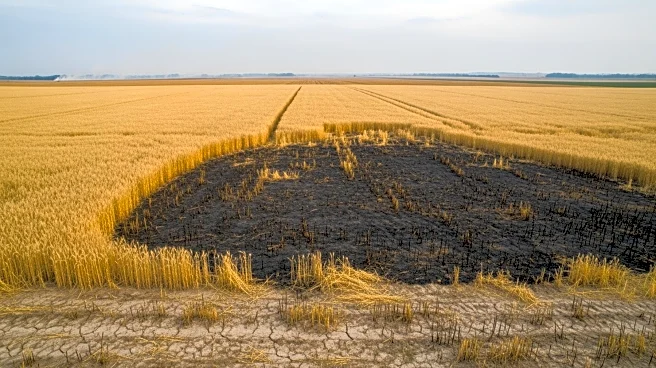
wildfires have led to significant agricultural losses, including the destruction of livestock. The Kansas Department of Agriculture has established a dedicated webpage to assist farmers and ranchers in recovery efforts. This page provides resources and guidance on documenting losses, which is crucial for obtaining assistance and reimbursement. The Kansas Department of Health and Environment is collaborating with ranchers and veterinarians to manage the safe disposal of livestock mortalities. Additionally, the U.S. Department of Agriculture’s Farm Service Agency offers federal disaster relief funds to those affected.
Why It's Important?
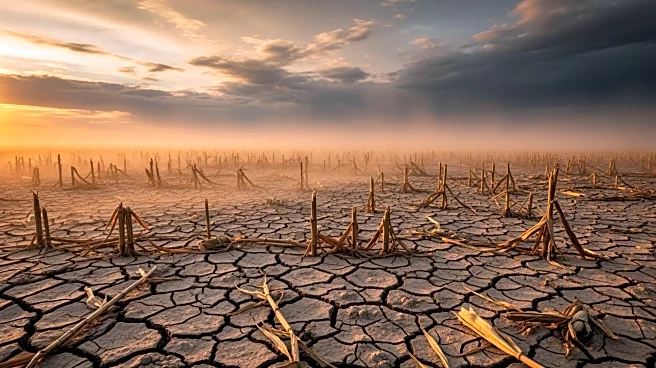
The wildfires in Kansas highlight the vulnerability of the agricultural sector to natural disasters, which can lead to substantial economic losses. The destruction of livestock and farmland not only affects the immediate livelihood of farmers and ranchers but also has broader implications for the state's economy. The emergency declaration and the resources provided by state and federal agencies are crucial for mitigating these impacts and supporting recovery efforts. The situation underscores the importance of disaster preparedness and the need for effective response strategies to protect agricultural interests and ensure food security.
What's Next?
As the recovery process continues, affected farmers and ranchers will need to document their losses meticulously to access available assistance. The Kansas Department of Agriculture will likely expand its resources and support as more needs are identified. Ongoing collaboration between state and federal agencies will be essential to address the long-term impacts of the wildfires. Additionally, there may be discussions on improving fire prevention and response strategies to better protect the agricultural sector in the future.