






What's Happening?
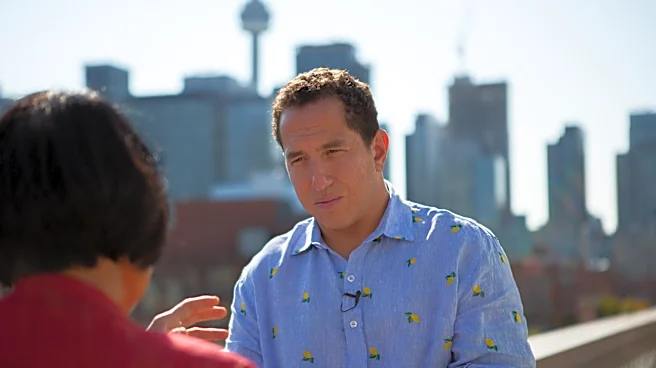
Senator John Fetterman, a Democrat from Pennsylvania, has publicly criticized his party's approach towards President Trump and his supporters. Speaking on the 'Impaulsive' podcast, Fetterman expressed his disapproval of the Democratic strategy that he perceives
as overly antagonistic towards Trump. He highlighted the need for a more inclusive political discourse, emphasizing that not all Trump supporters should be labeled negatively. Fetterman, who represents a state that voted for Trump's reelection in 2024, argued for a shift in strategy that moves away from divisive rhetoric. He recounted his own experiences of bipartisan engagement, including a dinner invitation from Trump, which he accepted despite criticism from his party. Fetterman called for Democrats to reach across the aisle and engage in constructive dialogue, rather than resorting to name-calling and political tribalism.
Why It's Important?
Fetterman's comments underscore a significant divide within the Democratic Party regarding how to engage with Trump and his supporters. His stance highlights a broader debate about political strategy and the importance of fostering unity in a polarized political landscape. By advocating for a more inclusive approach, Fetterman is challenging his party to reconsider its messaging and tactics. This could have implications for future elections, as Democrats seek to appeal to a broader base, including those who may have supported Trump. Fetterman's call for a change in discourse also reflects a desire to move beyond partisan divisions and work towards common goals, which could influence legislative priorities and cooperation in Congress.
What's Next?
Fetterman's remarks may prompt discussions within the Democratic Party about its strategy and messaging. As the party prepares for upcoming elections, there may be increased pressure to adopt a more conciliatory approach towards Trump supporters. This could lead to internal debates about the best way to balance criticism of Trump with efforts to engage his base. Additionally, Fetterman's emphasis on bipartisan dialogue may encourage other lawmakers to seek common ground on key issues, potentially leading to more collaborative policymaking. The response from Democratic leaders and the party's base will be crucial in determining whether Fetterman's call for change gains traction.