



What's Happening?
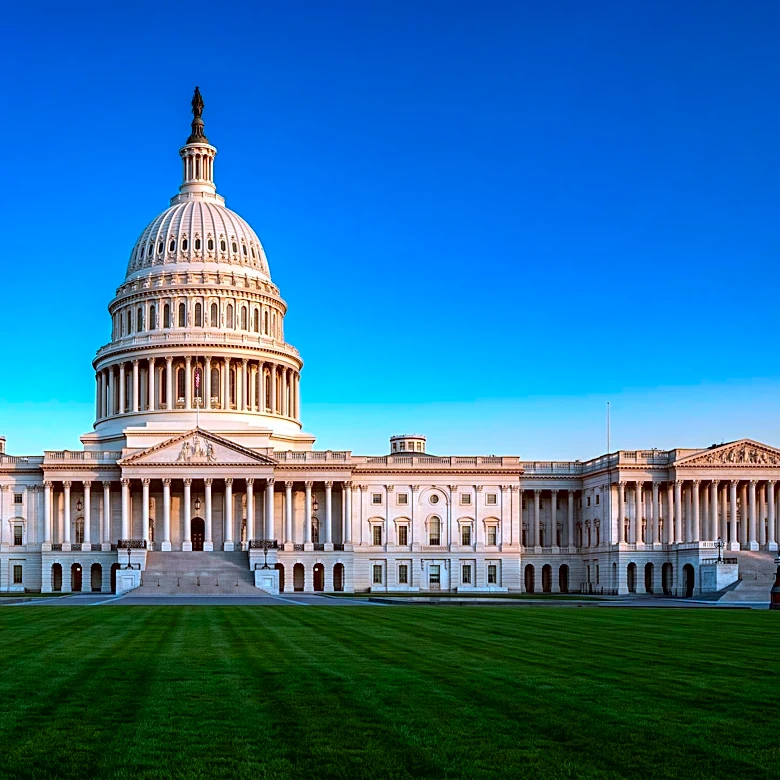
U.S. Rep. Tim Moore, R-N.C., has engaged in discussions regarding legislation aimed at reauthorizing and enhancing the National Landslide Preparedness Act. This comes nearly two years after Hurricane Helene caused devastating landslides in North Carolina,
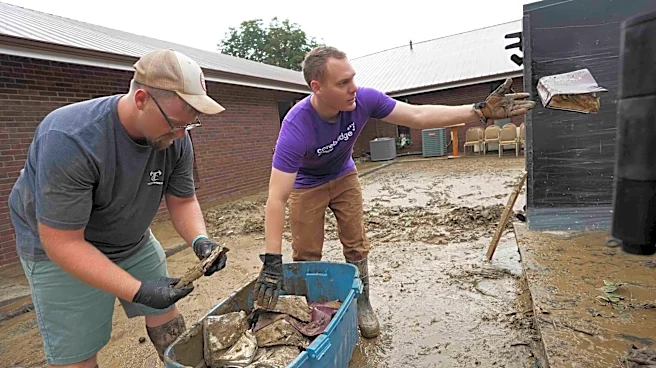
resulting in 107 fatalities. Bernice Hensley, whose daughter Melissa Guinn died in a landslide during Helene, is advocating for stronger safety measures, emphasizing the need for public awareness about dangerous living areas. Congressman Moore stated that the proposed bill would focus on mapping landslide-prone areas and making this information publicly accessible in a database. This would allow potential property buyers to be aware of risks and could lead to restrictions on building permits in highly dangerous zones. The bill has already passed the Senate and is expected to be taken up by Congress in November. Meanwhile, in Avery County, one of the hardest-hit areas, 97% of damaged roads have been repaired through a multi-million-dollar recovery effort by the North Carolina Department of Transportation (NCDOT), with $121 million spent on road repairs.
Why It's Important?
The proposed legislation to enhance the National Landslide Preparedness Act is critically important for public safety and property protection in regions susceptible to natural disasters, particularly in states like North Carolina. By creating a public database of landslide-prone areas, the bill aims to empower citizens with crucial information, allowing them to make informed decisions about where to live and build. This proactive approach could prevent future tragedies and reduce the economic impact of landslides. For the real estate and construction industries, it introduces new considerations for development in high-risk zones, potentially leading to stricter building codes or outright prohibitions. The personal testimony of Bernice Hensley underscores the human cost of such disasters and highlights the urgent need for legislative action. The significant investment in road repairs in Avery County also demonstrates the substantial financial burden that natural disasters place on state and federal resources, making preventative measures even more vital.
What's Next?
The National Landslide Preparedness Act, having passed the Senate, is anticipated to be considered by Congress in November. If enacted, the legislation will initiate the process of mapping landslide-prone areas and establishing a public database. This will require collaboration between federal agencies, such as the U.S. Geological Survey, and state and local governments to identify and categorize at-risk locations. Property owners, prospective buyers, and developers in affected regions will need to adapt to new information and potentially new regulations regarding land use and construction. Advocacy efforts from individuals like Bernice Hensley will likely continue to push for comprehensive implementation and enforcement of these safety measures. The ongoing recovery efforts in areas like Avery County will also continue, focusing on the remaining infrastructure repairs and long-term resilience strategies.
Beyond the Headlines
The push for enhanced landslide safety measures following Hurricane Helene highlights a broader national conversation about climate change and its impact on natural disaster frequency and intensity. As extreme weather events become more common, the need for robust preparedness and mitigation strategies becomes increasingly urgent. The proposed legislation touches upon the complex interplay between individual property rights, public safety, and environmental stewardship. It raises ethical questions about the responsibility of government to protect citizens from natural hazards, and the extent to which individuals should be informed of and held accountable for risks associated with their property. Furthermore, the economic implications extend beyond immediate repair costs to include potential impacts on property values, insurance markets, and regional development patterns in vulnerable areas. This legislative effort could set a precedent for how other natural hazards are addressed through public information and regulatory frameworks.