



What's Happening?
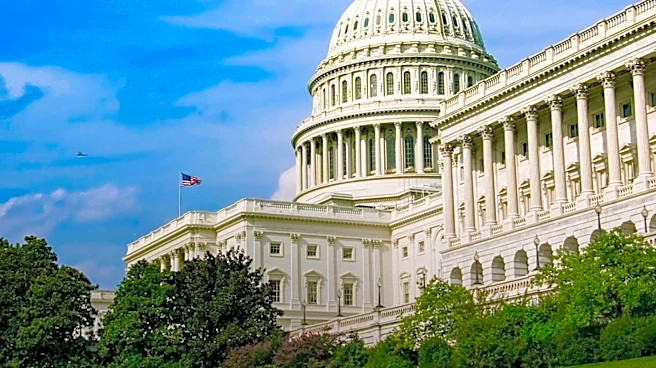
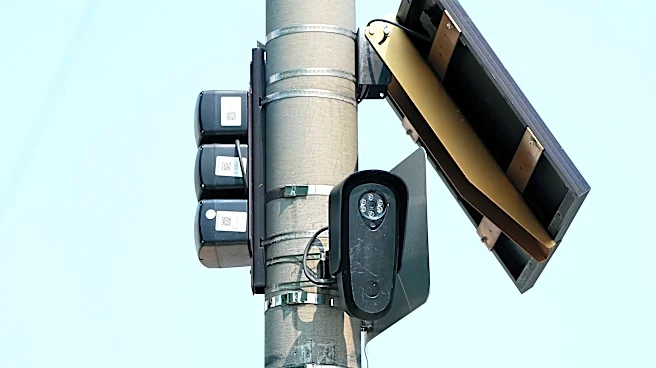
Republican Indiana Rep. Marlin Stutzman plans to introduce a bill aimed at restricting Flock cameras, citing concerns over privacy and repeated misidentification of innocent Americans. His decision follows a personal incident where a Flock camera flagged
his vehicle for an expired registration, leading to an officer tracking him to his private residence. Stutzman emphasized that his primary concerns are the warrantless surveillance of millions and the frequent misidentification issues associated with these cameras. He believes that while some localities are reevaluating their use, federal action is necessary to restrict unregulated AI surveillance. This proposed bill is currently in its preliminary stages.
Why It's Important?
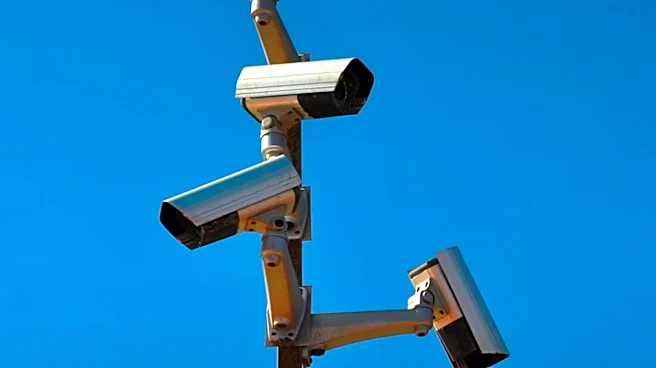
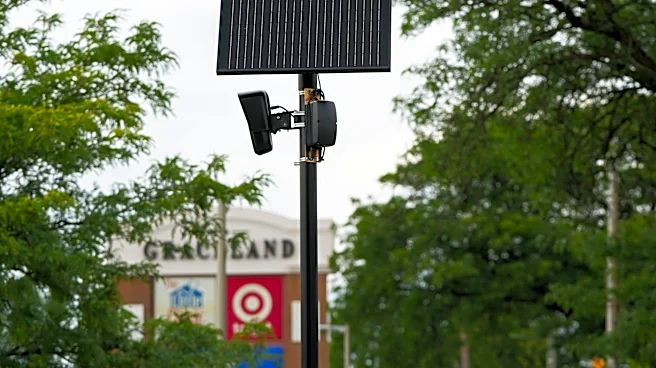
This initiative by Congressman Stutzman is important as it addresses growing concerns about privacy and civil liberties in the age of advanced surveillance technology. Flock cameras, which scan and record billions of vehicles monthly across thousands of communities, represent a significant expansion of surveillance capabilities. The bill seeks to establish federal restrictions on these systems, potentially setting a precedent for how AI-powered surveillance is regulated in the U.S. The debate highlights a fundamental conflict between public safety, often cited as the justification for such cameras, and individual rights to privacy and protection against unwarranted tracking. The outcome could influence the future deployment and use of automated license plate readers (ALPRs) and similar technologies by law enforcement agencies nationwide, impacting millions of American citizens.
What's Next?
Congressman Stutzman's bill is in its preliminary stages, meaning it will likely undergo drafting and refinement before being formally introduced in Congress. Once introduced, it will need to navigate the legislative process, including committee reviews, debates, and votes in both the House and Senate. The bill's progress will likely face scrutiny and opposition from law enforcement agencies and companies like Flock Safety, who argue for the public safety benefits of their technology. Conversely, privacy advocates and civil liberties groups will likely support such legislation. The debate surrounding this bill could also spur other lawmakers to introduce similar or complementary legislation, potentially leading to a broader federal framework for AI surveillance. Public awareness and advocacy will play a crucial role in shaping the discourse and ultimate fate of this legislative effort.
Beyond the Headlines
Beyond the immediate legislative action, this issue delves into profound ethical and societal implications regarding the balance between security and freedom. The widespread deployment of AI surveillance cameras raises questions about the potential for a 'surveillance state' where every movement is tracked, eroding the expectation of privacy in public spaces. The technology's capacity for misidentification and its use in warrantless tracking also highlight concerns about due process and the potential for abuse, as evidenced by instances of officers using these systems for personal reasons. This debate is not just about Flock cameras but about the broader societal acceptance of AI in law enforcement and the need for robust legal and ethical safeguards to prevent unintended consequences and protect fundamental rights in an increasingly data-driven world.