
What's Happening?
Indonesia has announced a significant policy shift by integrating nuclear power into its long-term energy strategy, setting a target to operationalize its first nuclear reactor by 2032. This move marks
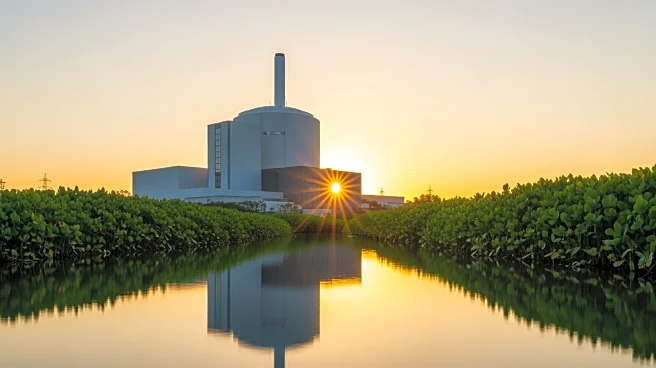
the end of decades of intermittent exploration into nuclear energy. The government has outlined a roadmap to achieve 45 gigawatts (GW) of nuclear capacity by 2060, with 35 GW allocated for electricity and 9 GW for hydrogen production. The state-owned power company, PT Perusahaan Listrik Negara (Persero), is evaluating the readiness of the national electricity system to incorporate nuclear power, focusing on system stability rather than just technological feasibility. The plan includes the construction of a 250-megawatt (MW) nuclear plant in Sumatra by 2032, followed by another in Kalimantan in 2033. The initiative is part of Indonesia's broader strategy to meet its projected electricity demand of 1,813 terawatt-hours by 2060, with renewables expected to supply 42% of the output.
Why It's Important?
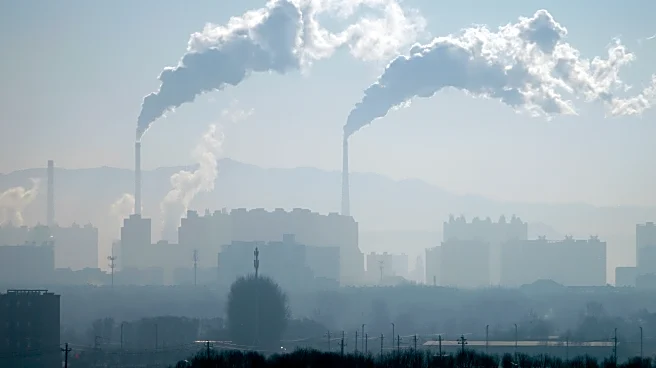
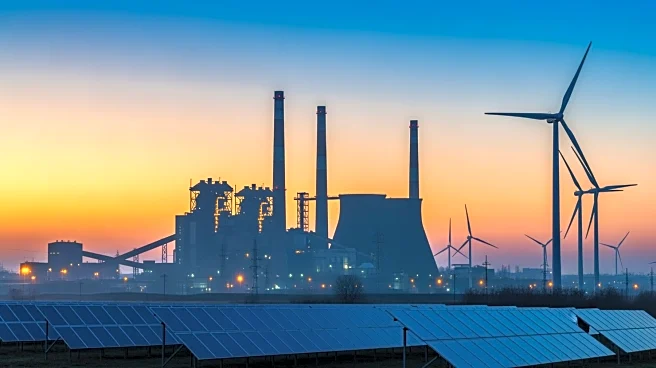
The introduction of nuclear power is crucial for Indonesia's energy transition, aiming to reduce reliance on coal and enhance energy security. Nuclear energy offers a low-emission, stable power source that can complement intermittent renewable sources like solar and wind. This development is significant for Indonesia's commitment to achieving net-zero emissions, as it provides a reliable baseload to support the growing energy demand. The move also reflects Indonesia's strategic planning to diversify its energy sources and reduce carbon emissions, aligning with global environmental goals. However, the success of this initiative depends on the country's ability to strengthen its power grid and address policy and institutional challenges, including public acceptance and geopolitical considerations.
What's Next?
For Indonesia to meet its nuclear energy goals, the government must implement a presidential regulation to expedite nuclear development and establish a dedicated nuclear body. This regulatory framework is essential to address the technical, policy, and institutional hurdles associated with nuclear power. Additionally, the country needs to enhance its grid infrastructure, particularly in regions like Sumatra and Kalimantan, to safely integrate nuclear power without causing system instability. The development of interconnections between these grids and the larger Java-Madura-Bali grid is also necessary to accommodate larger nuclear plants. As Indonesia progresses with its nuclear plans, it will need to engage with stakeholders to ensure public acceptance and address any geopolitical implications.
Beyond the Headlines
The shift towards nuclear energy in Indonesia highlights the complex interplay between technology, policy, and public perception. While nuclear power offers a promising solution for reducing emissions and ensuring energy stability, it also raises concerns about safety, waste management, and environmental impact. The establishment of a dedicated nuclear body could help address these issues by providing oversight and ensuring compliance with international safety standards. Additionally, public education and transparent communication will be crucial in gaining public trust and acceptance of nuclear energy as a viable component of Indonesia's energy mix.