





What's Happening?
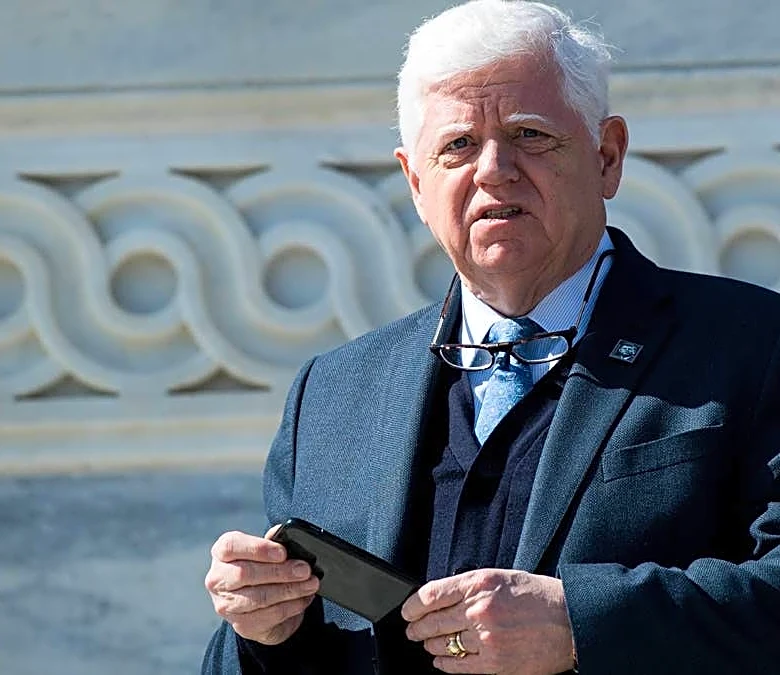
U.S. Senator Marsha Blackburn recently secured the Republican nomination for Governor, defeating 6th District Congressman John Rose by an 11-point margin. This victory, while decisive, was narrower than the 50-point lead she initially held. Throughout
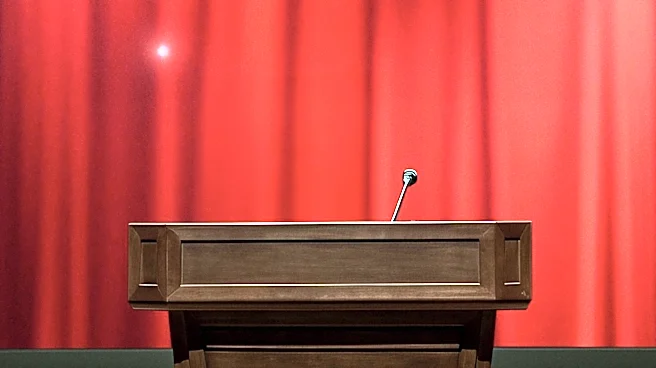
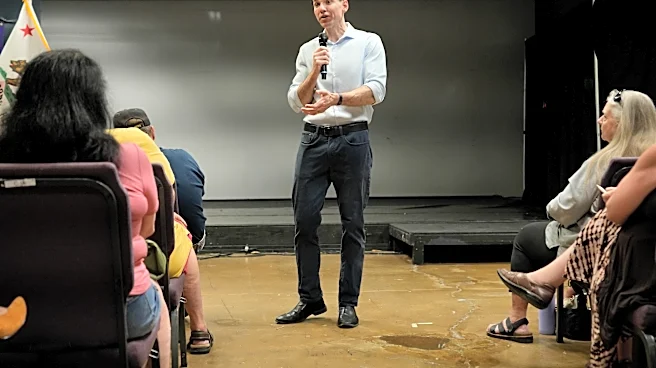
the primary, Blackburn declined multiple invitations to debate her opponents, a strategy that political strategists suggest was aimed at avoiding giving her challengers additional exposure. Following her primary win, questions have resurfaced regarding whether she will engage in debates with her general election opponents. Democratic nominee Jerri Green and leading independent candidates Dave Hatley and Lauren Pinkston have all expressed their readiness and desire to debate Blackburn. However, Republican strategists, including Rick Williams, advise Blackburn against debating, arguing that she has momentum and nothing to gain by providing a platform to her opponents. Democratic strategists like Kenya McGruder suggest Blackburn may avoid debates due to concerns about her ability to perform effectively under pressure.
Why It's Important?
The decision by U.S. Senator Marsha Blackburn regarding debates holds significant implications for the upcoming gubernatorial election in Tennessee. Debates serve as a crucial platform for candidates to articulate their policy positions, challenge opponents, and connect with voters. By potentially avoiding debates, Blackburn could limit her opponents' opportunities to gain traction and present their platforms to a wider audience, which is particularly impactful for lesser-known candidates like Jerri Green, Dave Hatley, and Lauren Pinkston. This strategy, while potentially beneficial for an incumbent with a strong base, could also draw criticism for perceived avoidance of public scrutiny and direct engagement on critical issues. The historical context of a Democrat not winning a statewide election in Tennessee since 2006 further influences the strategic calculations, suggesting that Blackburn's campaign may prioritize maintaining her current momentum over direct confrontation, thereby shaping the nature of political discourse in the state.
What's Next?
The immediate focus will be on whether U.S. Senator Marsha Blackburn will yield to calls for debates from her general election opponents. Democratic nominee Jerri Green and independent candidates Dave Hatley and Lauren Pinkston are actively seeking these opportunities, and their campaigns will likely continue to press for public forums. Political observers and strategists will be watching closely to see if Blackburn's campaign maintains its current strategy of avoiding debates or if public pressure or a shift in campaign dynamics prompts a change. The decision will significantly influence the visibility and perceived legitimacy of her challengers. Regardless of the debate schedule, all candidates will intensify their campaigning efforts, focusing on direct voter outreach, media appearances, and policy messaging as the general election approaches. The outcome of this strategic decision will shape the narrative and engagement levels for the remainder of the gubernatorial race.
Beyond the Headlines
The debate over debates in the Tennessee gubernatorial race reflects a broader trend in modern U.S. politics where front-running candidates often weigh the risks and rewards of direct engagement. For incumbents or candidates with a significant lead, avoiding debates can be a calculated move to minimize gaffes, control messaging, and deny opponents a platform. However, this strategy can also be seen as undermining democratic principles of open discourse and accountability, potentially leading to a less informed electorate. The public's expectation for candidates to engage in robust policy discussions is often at odds with campaign strategies designed to protect a lead. This dynamic highlights the tension between strategic political maneuvering and the ideal of a transparent, participatory democracy. The long-term implications could include a further erosion of public trust in political processes if candidates are perceived as unwilling to face direct questioning, potentially contributing to voter apathy or increased polarization.