

What's Happening?
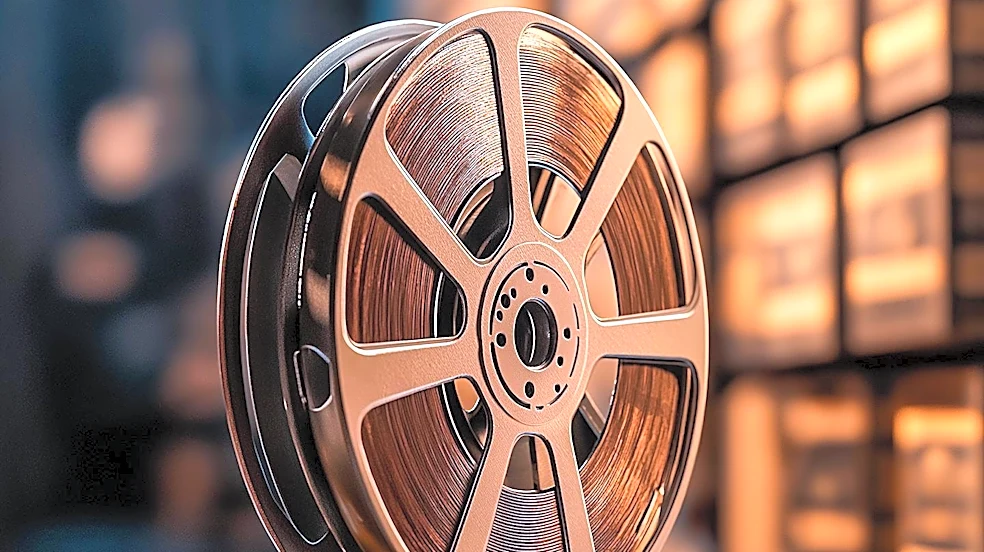
The New York Public Library (NYPL) is engaged in a critical race against time to preserve over a century of sound and moving images stored on film, tape, discs, and cylinders. These historical records are rapidly decaying, and the specialized machines
required to play them are becoming increasingly rare. Experts like media preservation coordinator Casey McNamara and lab manager Shahed Dowlatshahi are working to digitize these fragile materials. The acetate film is suffering from 'vinegar syndrome,' a chemical decay that makes it brittle and warped, a process that cannot be reversed, only slowed. Audiotapes often arrive crinkled or stuck together, requiring meticulous hand repair. Even once-robust Digital Betacam cassettes are now shedding material, making the preservation work more challenging each year. The scarcity of both functional playback machines and skilled repair technicians further exacerbates the urgency of this preservation effort, which some experts believe should have been addressed decades ago.
Why It's Important?
This preservation effort is crucial for safeguarding a significant portion of American cultural heritage and historical documentation. The decaying audiovisual materials contain invaluable insights into past lives, events, and artistic expressions, including personal films of figures like Harry Belafonte and footage of Malcolm X's travels. Without this intervention, these unique records, which offer perspectives on historical events and societal shifts, would be lost forever. The project ensures that future generations will have access to primary source materials that capture the nuances of history, beyond written accounts. The loss of these archives would mean a permanent gap in the collective memory and understanding of the past, impacting historical research, educational resources, and cultural identity. The work also highlights the broader challenge of digital obsolescence and the need for ongoing investment in preserving analog media before it becomes entirely inaccessible.
What's Next?
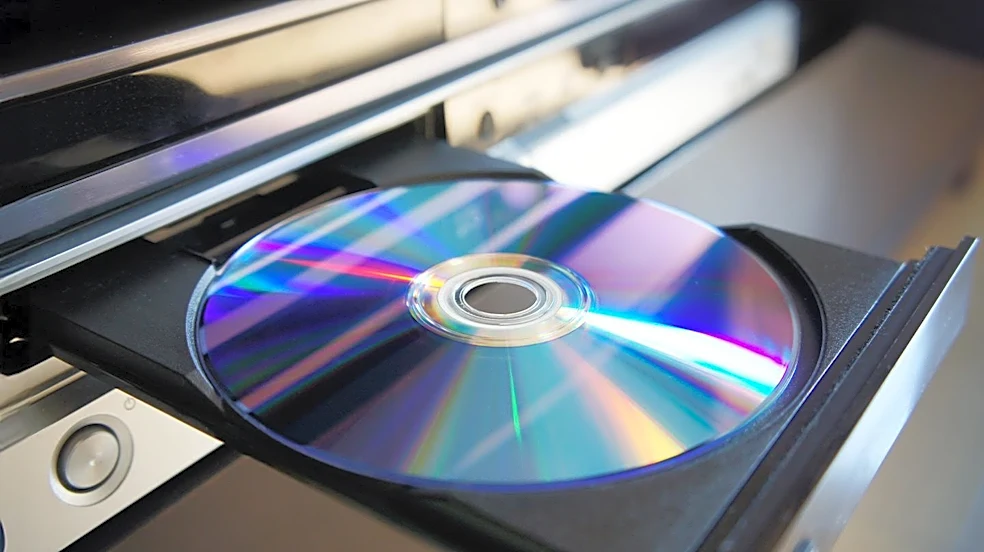
The NYPL's immediate next steps involve continuing the labor-intensive process of digitizing the remaining film, tape, discs, and cylinders. Once digitized, most of this material will be made accessible to the public with a library card, significantly expanding access to these historical records. The library is also exploring innovative solutions, such as custom-built playback machines like the turntable developed by engineer Nick Bergh, which can optically read discs without physical contact. Universities are training new specialists in media preservation, but the challenge remains in ensuring they have access to and can maintain the increasingly rare playback equipment. The ongoing effort will require sustained funding and expertise to combat the continuous degradation of physical media and the obsolescence of playback technology, ensuring that the preserved content remains available for study and enjoyment.
Beyond the Headlines
The race to preserve these audiovisual archives touches upon profound ethical and cultural dimensions. It underscores the responsibility of institutions to act as custodians of collective memory, ensuring that the stories and voices of the past are not silenced by technological decay. The project also highlights the often-overlooked human element in preservation—the dedication of engineers and coordinators who meticulously repair and digitize these fragile artifacts. This work is not merely technical; it involves a deep engagement with the human experience, as preservationists encounter intimate glimpses into historical figures' lives and pivotal moments. The increasing rarity of both the machines and the skilled individuals who can repair them points to a looming crisis in media preservation globally, emphasizing the need for greater investment in training, infrastructure, and the development of new preservation technologies to prevent irreversible cultural loss.