

What's Happening?
The UK economy experienced zero growth in January, as reported by the Office for National Statistics (ONS). This stagnation is attributed to a significant drop in consumer spending at restaurants and cafes, highlighting ongoing pressure on consumer demand.
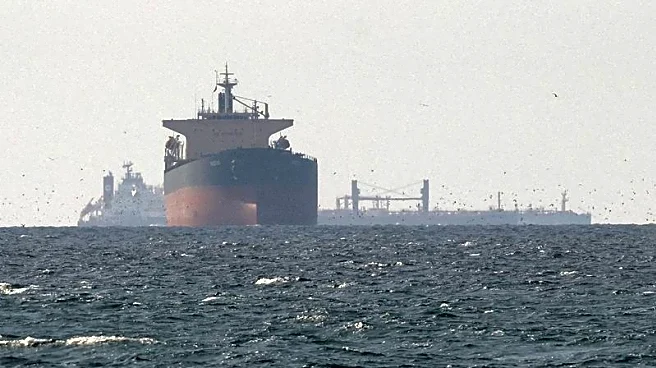
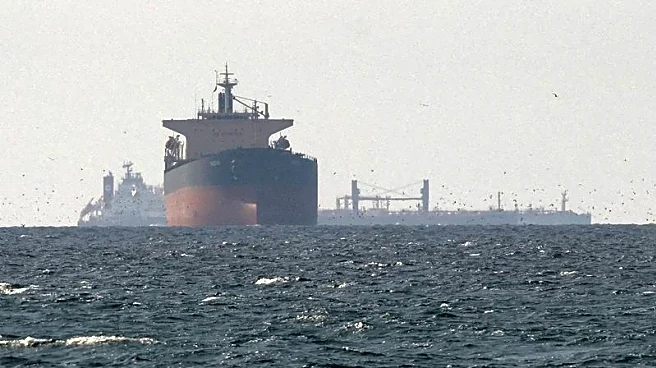
The gross domestic product (GDP) figures for January were weaker than anticipated, following a modest growth of 0.1% in December. The broader economic picture remains subdued, with production output falling by 0.1% and construction providing a slight boost with a 0.2% increase. The economic slowdown is further compounded by geopolitical tensions, particularly the conflict involving the US-Israel alliance and Iran, which has led to a sharp rise in global energy prices.
Why It's Important?
The stagnation of the UK economy in January is significant as it reflects the ongoing challenges faced by the retail and hospitality sectors, which are crucial for consumer spending. The decline in restaurant spending indicates fragile consumer confidence amid rising living costs and economic uncertainty. The geopolitical tensions and rising energy prices pose additional risks, potentially pushing inflation higher and delaying the Bank of England's target to reduce price growth. This economic environment could lead to higher borrowing costs and persistent inflationary pressures, affecting businesses' investment plans and overall economic growth.
What's Next?
The Bank of England is expected to hold interest rates steady in its upcoming meeting, contrary to earlier expectations of rate cuts. The ongoing geopolitical conflict and its impact on energy prices could further weaken household spending and challenge the government's growth priorities. Economists warn that the combination of higher costs and economic uncertainty may lead to a prolonged period of subdued growth, necessitating adjustments in economic strategies and policies to mitigate these challenges.
Beyond the Headlines
The current economic situation in the UK underscores the vulnerability of economies to global shocks and the interconnectedness of geopolitical events and domestic economic performance. The government's economic strategy, including measures to cut living costs and national debt, will be crucial in navigating these challenges. The situation also highlights the importance of energy security and the need for policies that support sustainable economic growth amid global uncertainties.