
What's Happening?
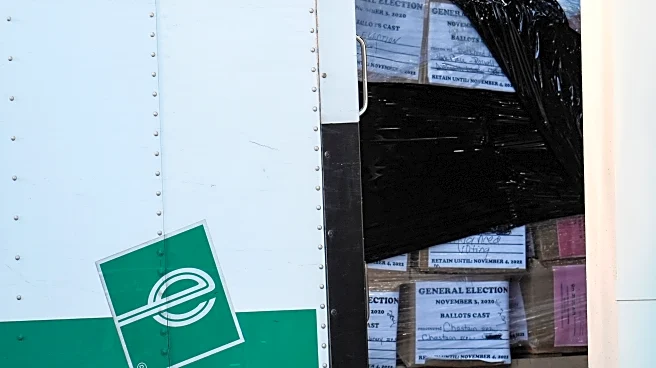
A recent letter to the editor in the Chicago Tribune has reignited the debate over the integrity of vote-by-mail systems in the United States. DuPage GOP Chairman Kevin Coyne expressed concerns about voter confidence in mail-in ballots, suggesting that
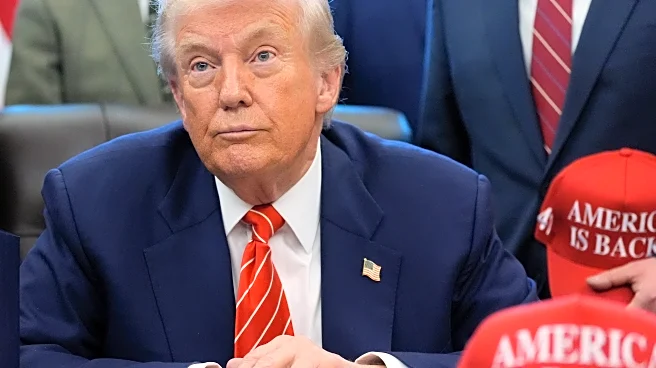
there are widespread doubts about their security. This perspective is largely associated with the GOP and echoes claims made by President Trump regarding the 2020 election. The letter argues that these claims are unfounded and that mail-in voting remains a secure and essential method for many voters. The author, Don Orchard from Naperville, warns against unnecessary public hearings that could undermine trust in the electoral process. He emphasizes the importance of protecting mail-in voting as a legitimate means for citizens to participate in elections.
Why It's Important?
The discussion around vote-by-mail integrity is crucial as it touches on the broader issue of election security and public trust in democratic processes. Mail-in voting has become increasingly significant, especially during the COVID-19 pandemic, as it allows more people to vote safely. Allegations of fraud, particularly without evidence, can erode public confidence and potentially disenfranchise voters who rely on this method. The debate also highlights the ongoing political divide, with some factions using these claims to push for stricter voting regulations. Ensuring the integrity and accessibility of voting systems is vital for maintaining a healthy democracy and ensuring that all voices are heard.
What's Next?
As the debate continues, stakeholders such as election officials, political parties, and advocacy groups may engage in discussions to address these concerns. Efforts to educate the public about the security measures in place for mail-in voting could help restore confidence. Additionally, legislative actions at both state and federal levels may be proposed to either tighten or protect mail-in voting processes. The outcome of these discussions and potential policy changes could significantly impact future elections and voter participation rates.